THE ADVENTURE COLLECTIVE® · Independent discovery and booking for outdoor travel

Spend a full day driving from Athens through the Corinth Canal and Arcadian mountains to Ancient Olympia, then back via Ancient Corinth. This private, flexible tour pairs road‑trip scenery with some of Greece’s most consequential archaeological sites.
Spend a full day driving from Athens through the Corinth Canal and Arcadian mountains to Ancient Olympia, then back via Ancient Corinth. This private, flexible tour pairs road‑trip scenery with some of Greece’s most consequential archaeological sites.
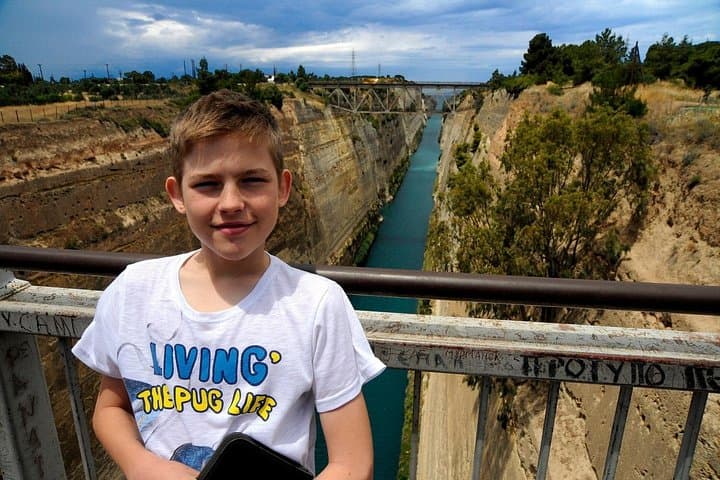
You step into the day before the city fully wakes: the car hums away from Athens, the Corinth Canal slicing like a wound between two seas as the driver pulls over for a quick photograph. The road climbs into Arcadian folds; pines lean over the highway as if nudging you toward the Peloponnese.
Verified experiences and guided adventures in the surrounding area.
Operated by GREECE TAXI · Ancient Olympia, Peloponnese
You step into the day before the city fully wakes: the car hums away from Athens, the Corinth Canal slicing like a wound between two seas as the driver pulls over for a quick photograph. The road climbs into Arcadian folds; pines lean over the highway as if nudging you toward the Peloponnese.
This private day tour threads two of Greece’s most important classical sites. Olympia sits in a low river valley at the confluence of the Alpheios and Kladeos, where athletes once ran beneath temples to Zeus and Hera; nearby museums house sculptures and votive helmets that span Bronze Age to Byzantine eras. Ancient Corinth, rebuilt by the Romans, is a study in urban layers — agora, temple foundations, and the Asklepieion remain where commerce and pilgrimage intersected for millennia.
Geology here explains the routes: tectonic uplifts shaped mountain passes and the narrow Isthmus where the 19th‑century canal was cut. Culturally, the day connects Olympic ritual, Roman provincial life, and early Christian history noted in the letters of Paul.
Practical note: this is a private, driver‑led transfer with optional on‑site guides; entrance fees are separate. Expect long stretches in an air‑conditioned vehicle, short walking tours across archaeological grounds (mostly flat but with uneven stone and dusty paths), and limited on‑site shade in summer. Bring water, sun protection, and comfortable shoes. The itinerary is flexible if you prefer extra time at a museum or a quieter village taverna en route.
No — entrance fees for Olympia and Ancient Corinth are typically paid on arrival; combined museum tickets vary by season.
Expect several hours of driving roundtrip — roughly 3–4 hours each way from Athens depending on traffic and stops.
Yes, but the driver is not a licensed site guide; you must request and pay for an archaeologist or licensed guide separately if desired.
Yes; infant seats are available and vehicle options accommodate families, but plan for long stretches in the car and uneven walking surfaces on site.
GREECE TAXI operates guided outdoor trips and adventures with an emphasis on safety, stewardship, and memorable experiences.


You step into the day before the city fully wakes: the car hums away from Athens, the Corinth Canal slicing like a wound between two seas as the driver pulls over for a quick photograph. The road climbs into Arcadian folds; pines lean over the highway as if nudging you toward the Peloponnese.
You step into the day before the city fully wakes: the car hums away from Athens, the Corinth Canal slicing like a wound between two seas as the driver pulls over for a quick photograph. The road climbs into Arcadian folds; pines lean over the highway as if nudging you toward the Peloponnese.
This private day tour threads two of Greece’s most important classical sites. Olympia sits in a low river valley at the confluence of the Alpheios and Kladeos, where athletes once ran beneath temples to Zeus and Hera; nearby museums house sculptures and votive helmets that span Bronze Age to Byzantine eras. Ancient Corinth, rebuilt by the Romans, is a study in urban layers — agora, temple foundations, and the Asklepieion remain where commerce and pilgrimage intersected for millennia.
Geology here explains the routes: tectonic uplifts shaped mountain passes and the narrow Isthmus where the 19th‑century canal was cut. Culturally, the day connects Olympic ritual, Roman provincial life, and early Christian history noted in the letters of Paul.
Practical note: this is a private, driver‑led transfer with optional on‑site guides; entrance fees are separate. Expect long stretches in an air‑conditioned vehicle, short walking tours across archaeological grounds (mostly flat but with uneven stone and dusty paths), and limited on‑site shade in summer. Bring water, sun protection, and comfortable shoes. The itinerary is flexible if you prefer extra time at a museum or a quieter village taverna en route.