THE ADVENTURE COLLECTIVE® · Independent discovery and booking for outdoor travel

Spend a day away from Rome exploring two UNESCO-listed Etruscan necropolises—Banditaccia at Cerveteri and Monterozzi at Tarquinia—where rock-cut tombs replicate ancient houses and frescoes portray aristocratic life. This private tour combines hassle-free transport with expert guiding for a concentrated look at pre-Roman Italy.
Spend a day away from Rome exploring two UNESCO-listed Etruscan necropolises—Banditaccia at Cerveteri and Monterozzi at Tarquinia—where rock-cut tombs replicate ancient houses and frescoes portray aristocratic life. This private tour combines hassle-free transport with expert guiding for a concentrated look at pre-Roman Italy.
You step out of the car onto a low scrub hillside and the air shifts—dry wind pushing through olive trees, the stone beneath soft with centuries of rain. Ahead, rows of tumuli cut like houses into the earth: doorways, stairwells, and frescoed rooms that once held the rituals and daily objects of the Etruscan dead.
Verified experiences and guided adventures in the surrounding area.
Operated by Rome Italy Explora · Cerveteri and Tarquinia, Lazio
You step out of the car onto a low scrub hillside and the air shifts—dry wind pushing through olive trees, the stone beneath soft with centuries of rain. Ahead, rows of tumuli cut like houses into the earth: doorways, stairwells, and frescoed rooms that once held the rituals and daily objects of the Etruscan dead.
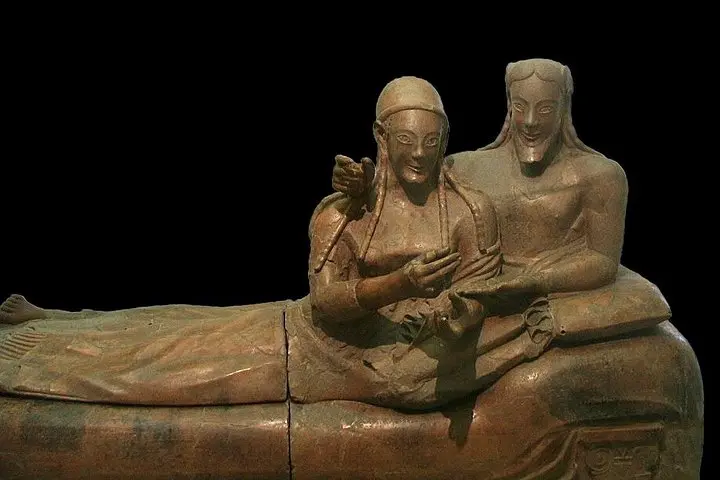
The necropolises at Banditaccia (Cerveteri) and Monterozzi (Tarquinia) map an ancient urban plan in burial form. Carved from volcanic tuff beginning in the 9th century B.C., these tombs reproduce domestic layouts—bedrooms, courtyards, beams—offering rare insight into pre-Roman civic life. Tarquinia’s painted chambers capture banquets, hunts and Dionysian rites with surprising immediacy; Cerveteri’s tumuli range from simple mounds to the Tomb of Reliefs, where painted niches and carved objects simulate a household.
Geology matters here: soft tuff made it possible to carve deep chambers and long corridors, while coastal winds helped preserve pigments in sheltered vaults. Culturally, the sites reflect an Italic civilization that traded across the Tyrrhenian and influenced early Roman practices; UNESCO recognized their global importance in 2004.
Practically, expect a full day (7–8 hours) with private transport from Rome, short hikes over uneven ground, and steps down into rock-cut tombs. Wear sturdy shoes, bring water, and plan for restricted photography inside some tombs. Morning visits avoid heat and crowds; guides provide context and handle tickets and timing so you can focus on the frescoes and the silence that still lingers in those rock-hewn rooms.
This private excursion lasts about 7–8 hours and typically includes round-trip transport from Rome, a private English-speaking guide, and entrance tickets to both necropolises.
Tomb chambers often require narrow stair descents and have uneven floors; they are not fully wheelchair accessible though exterior paths can accommodate strollers in parts of the sites.
Photography rules vary by tomb; flash is usually prohibited and some tombs forbid photography entirely to protect pigments—follow your guide’s directions.
Yes—children can participate, but parents should be prepared for stairs, low ceilings in chambers, and limited shade; infant seats and stroller access are available for parts of the tour.
Rome Italy Explora operates guided outdoor trips and adventures with an emphasis on safety, stewardship, and memorable experiences.
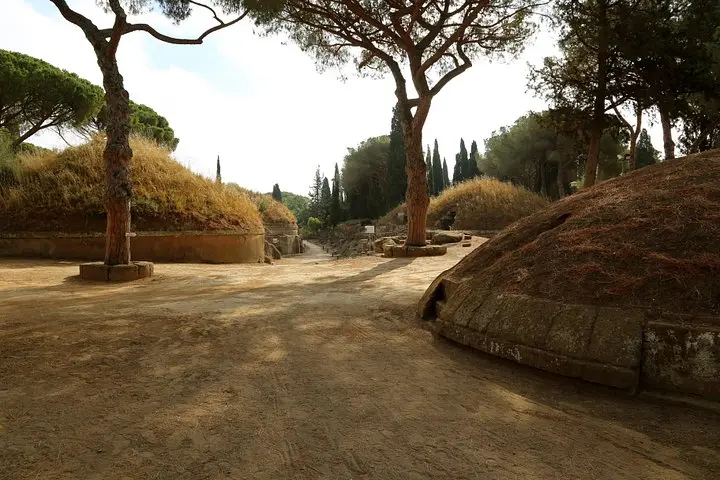
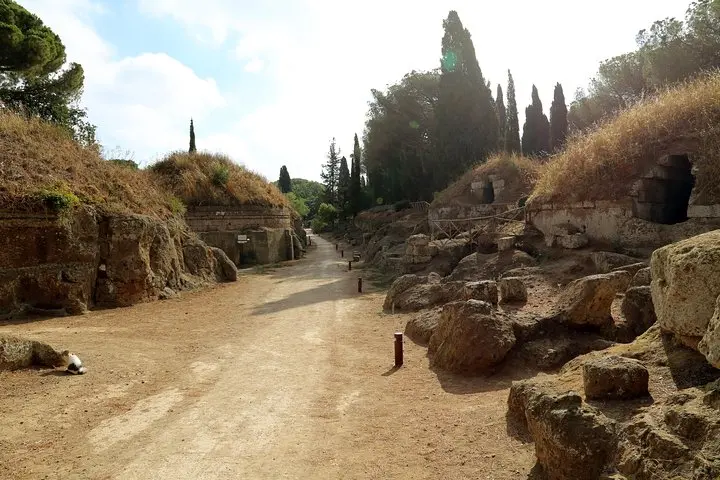
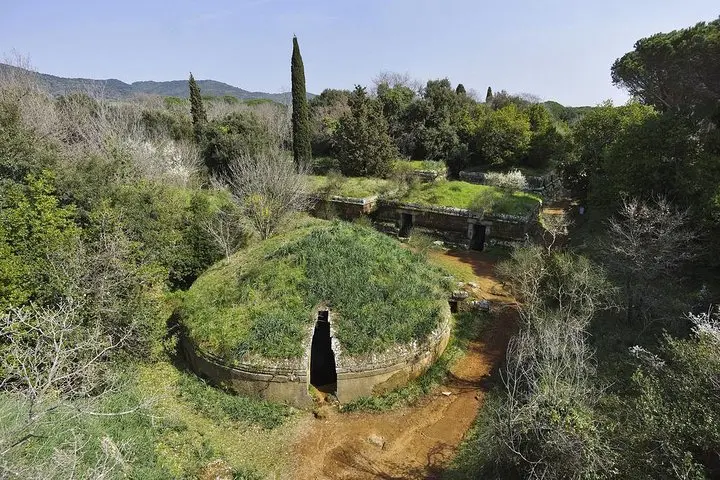
You step out of the car onto a low scrub hillside and the air shifts—dry wind pushing through olive trees, the stone beneath soft with centuries of rain. Ahead, rows of tumuli cut like houses into the earth: doorways, stairwells, and frescoed rooms that once held the rituals and daily objects of the Etruscan dead.
You step out of the car onto a low scrub hillside and the air shifts—dry wind pushing through olive trees, the stone beneath soft with centuries of rain. Ahead, rows of tumuli cut like houses into the earth: doorways, stairwells, and frescoed rooms that once held the rituals and daily objects of the Etruscan dead.
The necropolises at Banditaccia (Cerveteri) and Monterozzi (Tarquinia) map an ancient urban plan in burial form. Carved from volcanic tuff beginning in the 9th century B.C., these tombs reproduce domestic layouts—bedrooms, courtyards, beams—offering rare insight into pre-Roman civic life. Tarquinia’s painted chambers capture banquets, hunts and Dionysian rites with surprising immediacy; Cerveteri’s tumuli range from simple mounds to the Tomb of Reliefs, where painted niches and carved objects simulate a household.
Geology matters here: soft tuff made it possible to carve deep chambers and long corridors, while coastal winds helped preserve pigments in sheltered vaults. Culturally, the sites reflect an Italic civilization that traded across the Tyrrhenian and influenced early Roman practices; UNESCO recognized their global importance in 2004.
Practically, expect a full day (7–8 hours) with private transport from Rome, short hikes over uneven ground, and steps down into rock-cut tombs. Wear sturdy shoes, bring water, and plan for restricted photography inside some tombs. Morning visits avoid heat and crowds; guides provide context and handle tickets and timing so you can focus on the frescoes and the silence that still lingers in those rock-hewn rooms.