THE ADVENTURE COLLECTIVE® · Independent discovery and booking for outdoor travel

Explore Cairo’s major cultural sites in one private day: the Egyptian Museum, Coptic and Jewish quarters of Old Cairo, the Citadel and Mohamed Ali Mosque, then the winding lanes of Khan el‑Khalili bazaar. This guided circuit balances museum time, historic monuments and market bargaining with hotel pickup and private transport.
Explore Cairo’s major cultural sites in one private day: the Egyptian Museum, Coptic and Jewish quarters of Old Cairo, the Citadel and Mohamed Ali Mosque, then the winding lanes of Khan el‑Khalili bazaar. This guided circuit balances museum time, historic monuments and market bargaining with hotel pickup and private transport.
By 9:00 a.m. a private vehicle eases through Cairo traffic and drops you at Tahrir Square; the city opens around you with honking taxis, vendors, and the Nile pulling the skyline toward its banks. The day unfolds as a compact city circuit—start with the Egyptian Museum’s dense rooms of pharaonic statuary, move to the layered streets of Old Cairo, climb the Citadel’s Moqattam ridge for mosque-lined panoramas, and finish barging and bargaining in the alleys of Khan el‑Khalili.
Verified experiences and guided adventures in the surrounding area.
Operated by Grand Egypt Tours · Cairo, Cairo Governorate
By 9:00 a.m. a private vehicle eases through Cairo traffic and drops you at Tahrir Square; the city opens around you with honking taxis, vendors, and the Nile pulling the skyline toward its banks. The day unfolds as a compact city circuit—start with the Egyptian Museum’s dense rooms of pharaonic statuary, move to the layered streets of Old Cairo, climb the Citadel’s Moqattam ridge for mosque-lined panoramas, and finish barging and bargaining in the alleys of Khan el‑Khalili.
The Egyptian Museum collects five millennia of material culture in rooms that still carry the weight of early 20th‑century display practices; Old Cairo preserves Christian and Jewish sites that predate the Islamic capital; the Citadel, begun by Salah al‑Din in the 12th century, occupies limestone hills quarried for the city; Khan el‑Khalili grew from medieval caravanserais into today’s crowded market. Expect tight staircases inside historic complexes and security checks at major sites.
Practical guidance: this is a full 7–8 hour day with several short walks on uneven stone, stairs and crowded lanes. Dress smart casual and modestly for mosque visits, wear sturdy walking shoes, and carry cash for small purchases—many stalls are cash-only and bargaining is customary. Museums and the Citadel commonly charge separate entry; bring ID for ticketing, a refillable water bottle to beat the dry heat, and a small daypack. Plan morning museum visits to avoid midday crowds and the hottest hours, and leave time for unhurried exploration in the bazaar.
No—this private tour’s itinerary lists museum and citadel visits but entrance fees are typically charged separately; confirm with the operator before booking.
Some sites around Tahrir and Khan el‑Khalili are crowded and have uneven ground; the tour notes wheelchair accessibility but expect restricted access in older buildings and raised platforms.
Yes—the tour visits the Hanging Church, Abu Serga and Ben Ezra Synagogue; guides explain their history, and mosque visits may require modest dress and removal of shoes.
Yes—operators usually accept special requirements during booking for pickup and pacing; note that older sites may still be difficult for limited mobility despite transport being provided.
Grand Egypt Tours operates guided outdoor trips and adventures with an emphasis on safety, stewardship, and memorable experiences.


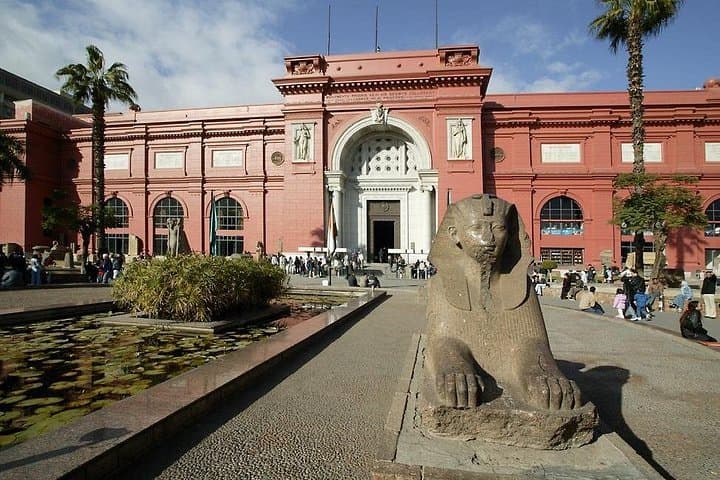
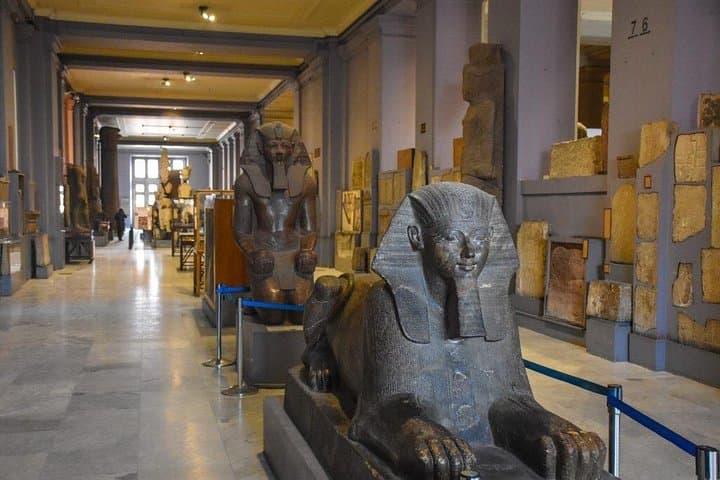
By 9:00 a.m. a private vehicle eases through Cairo traffic and drops you at Tahrir Square; the city opens around you with honking taxis, vendors, and the Nile pulling the skyline toward its banks. The day unfolds as a compact city circuit—start with the Egyptian Museum’s dense rooms of pharaonic statuary, move to the layered streets of Old Cairo, climb the Citadel’s Moqattam ridge for mosque-lined panoramas, and finish barging and bargaining in the alleys of Khan el‑Khalili.
By 9:00 a.m. a private vehicle eases through Cairo traffic and drops you at Tahrir Square; the city opens around you with honking taxis, vendors, and the Nile pulling the skyline toward its banks. The day unfolds as a compact city circuit—start with the Egyptian Museum’s dense rooms of pharaonic statuary, move to the layered streets of Old Cairo, climb the Citadel’s Moqattam ridge for mosque-lined panoramas, and finish barging and bargaining in the alleys of Khan el‑Khalili.
The Egyptian Museum collects five millennia of material culture in rooms that still carry the weight of early 20th‑century display practices; Old Cairo preserves Christian and Jewish sites that predate the Islamic capital; the Citadel, begun by Salah al‑Din in the 12th century, occupies limestone hills quarried for the city; Khan el‑Khalili grew from medieval caravanserais into today’s crowded market. Expect tight staircases inside historic complexes and security checks at major sites.
Practical guidance: this is a full 7–8 hour day with several short walks on uneven stone, stairs and crowded lanes. Dress smart casual and modestly for mosque visits, wear sturdy walking shoes, and carry cash for small purchases—many stalls are cash-only and bargaining is customary. Museums and the Citadel commonly charge separate entry; bring ID for ticketing, a refillable water bottle to beat the dry heat, and a small daypack. Plan morning museum visits to avoid midday crowds and the hottest hours, and leave time for unhurried exploration in the bazaar.