THE ADVENTURE COLLECTIVE® · Independent discovery and booking for outdoor travel

Head south from Beirut for a full-day private tour that pairs the Crusader sea castle and busy souks of Sidon with the Roman hippodrome and coastal ruins of Tyre. Expect seaside views, working craftrooms, and a relaxed pace with time for lunch by the fishermen’s port.
Head south from Beirut for a full-day private tour that pairs the Crusader sea castle and busy souks of Sidon with the Roman hippodrome and coastal ruins of Tyre. Expect seaside views, working craftrooms, and a relaxed pace with time for lunch by the fishermen’s port.
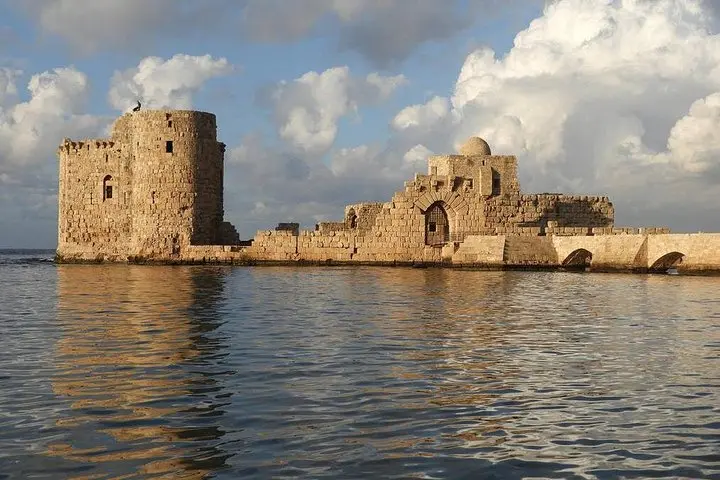
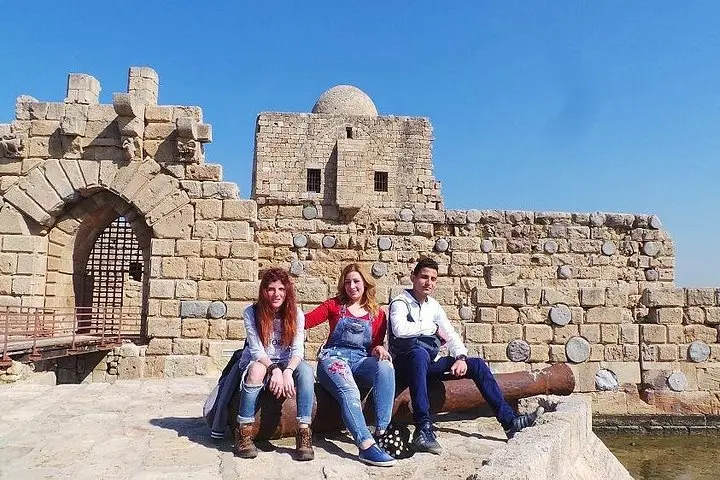
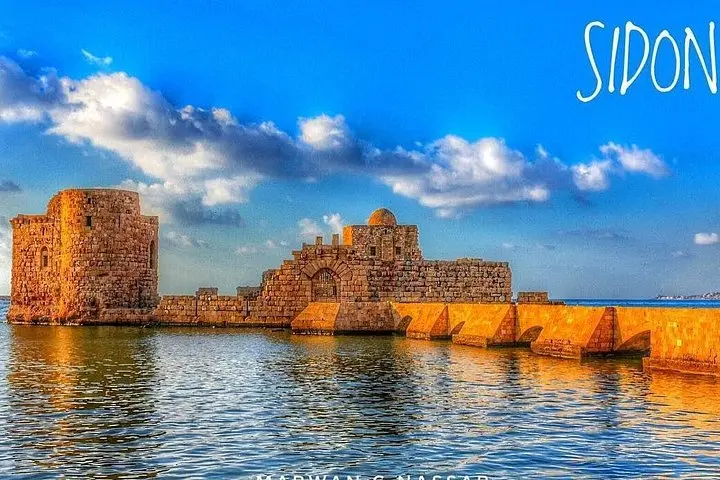
The morning highway south from Beirut opens like a ribbon of light along the Mediterranean; by mid-morning the sea-bright of Saida (Sidon) appears and the Crusader sea castle rises from the water as if holding back the waves.
Verified experiences and guided adventures in the surrounding area.
Operated by DAVE LEBANON DMC · Saida (Sidon), South Governorate
The morning highway south from Beirut opens like a ribbon of light along the Mediterranean; by mid-morning the sea-bright of Saida (Sidon) appears and the Crusader sea castle rises from the water as if holding back the waves.
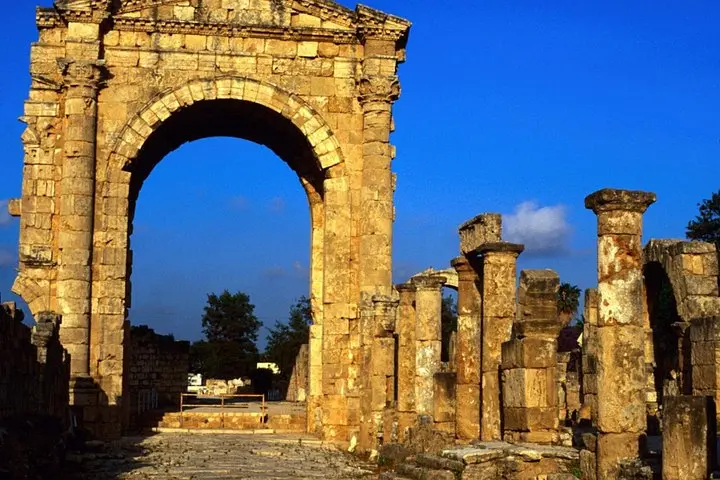
Visitors move through the castle’s low arches into a working souk where ancient trades—soap-making, carpentry, pastry—continue much as they have for generations. Sidon’s traditional olive oil soap factories offer a tactile history lesson: cured layers of soap, citrus-scented and stamped, link domestic craft to Ottoman and Phoenician trade routes. Further south, Tyre (Sour) reveals a different chapter: Roman engineering at the Bassus hippodrome, broken colonnades by the sea and a fisherman’s port that still launches small wooden boats each morning.
Geologically the coast is a narrow shelf of limestone and sandstone; sea ruins reflect millennia of human use and occasional subsidence. Culturally this corridor stitches Phoenician maritime commerce to Crusader fortifications and Ottoman marketplaces—expect mix of Arabic signage, Christian and Islamic heritage sites, and seafood kitchens where the catch is the day’s ledger.
Practical guidance: this is a full 7–8 hour day with several short walks, uneven stone steps and open-air sites exposed to sun and sea wind. Bring sturdy shoes, sun protection and a refillable bottle; allow time for photography and a seaside lunch in Tyre. Pickup typically from Beirut; roadside stops for restroom breaks are available. The pace is gentle but active—comfortable walking and cultural curiosity will make the day rewarding.
Most departures are from Beirut hotels with pickup and drop-off included; confirm your pickup point when booking.
Yes—this private tour is rated easy with short walks; children must be accompanied by an adult and infant seats are available on request.
Admission to main sites is typically included in the tour itinerary, but confirm with the operator at booking for any changes.
Tyre has several seafood restaurants by the fishermen’s port and cafes in Sidon’s old quarter; notify the guide of dietary restrictions ahead of time.
DAVE LEBANON DMC operates guided outdoor trips and adventures with an emphasis on safety, stewardship, and memorable experiences.
The morning highway south from Beirut opens like a ribbon of light along the Mediterranean; by mid-morning the sea-bright of Saida (Sidon) appears and the Crusader sea castle rises from the water as if holding back the waves.
The morning highway south from Beirut opens like a ribbon of light along the Mediterranean; by mid-morning the sea-bright of Saida (Sidon) appears and the Crusader sea castle rises from the water as if holding back the waves.
Visitors move through the castle’s low arches into a working souk where ancient trades—soap-making, carpentry, pastry—continue much as they have for generations. Sidon’s traditional olive oil soap factories offer a tactile history lesson: cured layers of soap, citrus-scented and stamped, link domestic craft to Ottoman and Phoenician trade routes. Further south, Tyre (Sour) reveals a different chapter: Roman engineering at the Bassus hippodrome, broken colonnades by the sea and a fisherman’s port that still launches small wooden boats each morning.
Geologically the coast is a narrow shelf of limestone and sandstone; sea ruins reflect millennia of human use and occasional subsidence. Culturally this corridor stitches Phoenician maritime commerce to Crusader fortifications and Ottoman marketplaces—expect mix of Arabic signage, Christian and Islamic heritage sites, and seafood kitchens where the catch is the day’s ledger.
Practical guidance: this is a full 7–8 hour day with several short walks, uneven stone steps and open-air sites exposed to sun and sea wind. Bring sturdy shoes, sun protection and a refillable bottle; allow time for photography and a seaside lunch in Tyre. Pickup typically from Beirut; roadside stops for restroom breaks are available. The pace is gentle but active—comfortable walking and cultural curiosity will make the day rewarding.