THE ADVENTURE COLLECTIVE® · Independent discovery and booking for outdoor travel

Travel from Beirut to Tripoli on a private full-day tour that pairs coastal scenery with centuries of history. Explore the old harbor, Crusader citadel, Mamluk mosques and labyrinthine souks with a local guide, plus time for a traditional Lebanese meal.
Travel from Beirut to Tripoli on a private full-day tour that pairs coastal scenery with centuries of history. Explore the old harbor, Crusader citadel, Mamluk mosques and labyrinthine souks with a local guide, plus time for a traditional Lebanese meal.
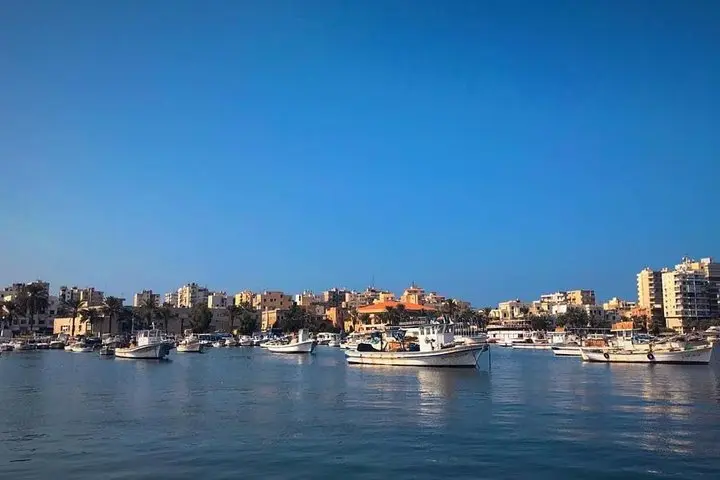
A morning in Beirut dissolves into a ribbon of highway and the Mediterranean sliding into view as the vehicle hums north toward Tripoli. By the time the compact city of Al-Mina arrives, the sea breeze carries salt and the sharp aroma of spices from the marketplace; vendors arrange spices, sweets and brassware while the old harbor watches like a patient archivist.
Verified experiences and guided adventures in the surrounding area.
Operated by Beirut Daily Tours · Tripoli, North Governorate
A morning in Beirut dissolves into a ribbon of highway and the Mediterranean sliding into view as the vehicle hums north toward Tripoli. By the time the compact city of Al-Mina arrives, the sea breeze carries salt and the sharp aroma of spices from the marketplace; vendors arrange spices, sweets and brassware while the old harbor watches like a patient archivist.
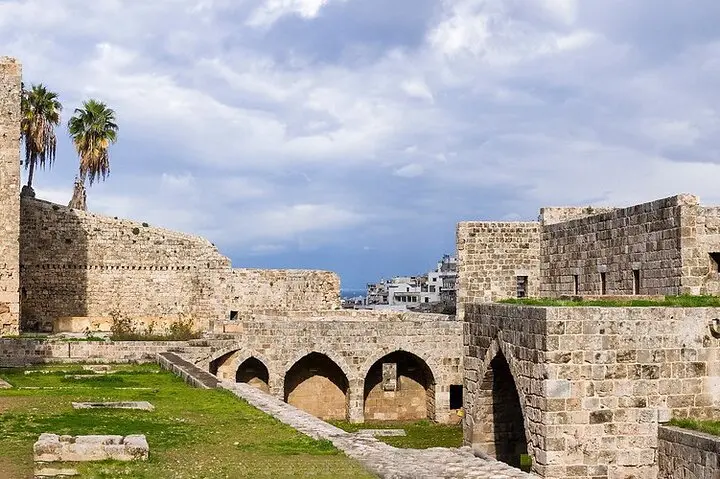
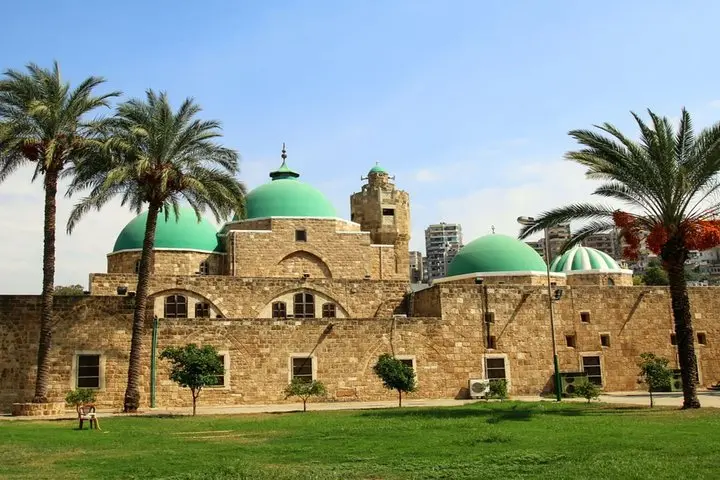
Tripoli’s layered past is visible at every turn: the Crusader citadel perched on a headland, Mamluk-era mosques with carved stone and late-Roman columns re-used in local buildings, and Ottoman khans such as Khan As-Saboun—originally military quarters, later a soap-trade hub. The city’s geology is coastal limestone and low hills that frame narrow alleys; the built fabric records successive empires rather than dramatic natural features. Local culinary culture is honest and communal—meze, grilled meats and sweet pastries fuel long conversations in courtyard restaurants.
Practicalities: this private tour typically runs about eight hours round-trip from Beirut with hotel pickup in an air-conditioned vehicle. Expect short walks on cobbles and staircases, mosque visits that require modest dress, and market browsing that’s best done with cash on hand. Midday heat in summer is strong; mornings and late afternoons offer softer light for photos and cooler walking. Guides usually handle logistics and timing, but allow time for spontaneous detours—an artisan’s shop, a quiet hammam courtyard, or a rooftop view of the Mediterranean. Moderate mobility is helpful; bring sun protection, comfortable shoes, and a sense of curiosity. The day balances cultural immersion with low-impact walking and a paced, revealing look at one of Lebanon’s most enduring coastal cities.
Drive time is typically about 1–1.5 hours each way depending on traffic; the full tour runs around eight hours including stops.
Entry policies vary; this tour lists historical site visits but confirm whether specific entrance fees are included when booking.
Yes—vehicle pickup and child seats are available and the itinerary is physically easy, though long stretches may be tiring for very young children.
Bring Lebanese pounds or small U.S. dollars for markets and independent shops; many restaurants accept cards but cash is common in souks.
Beirut Daily Tours operates guided outdoor trips and adventures with an emphasis on safety, stewardship, and memorable experiences.
A morning in Beirut dissolves into a ribbon of highway and the Mediterranean sliding into view as the vehicle hums north toward Tripoli. By the time the compact city of Al-Mina arrives, the sea breeze carries salt and the sharp aroma of spices from the marketplace; vendors arrange spices, sweets and brassware while the old harbor watches like a patient archivist.
A morning in Beirut dissolves into a ribbon of highway and the Mediterranean sliding into view as the vehicle hums north toward Tripoli. By the time the compact city of Al-Mina arrives, the sea breeze carries salt and the sharp aroma of spices from the marketplace; vendors arrange spices, sweets and brassware while the old harbor watches like a patient archivist.
Tripoli’s layered past is visible at every turn: the Crusader citadel perched on a headland, Mamluk-era mosques with carved stone and late-Roman columns re-used in local buildings, and Ottoman khans such as Khan As-Saboun—originally military quarters, later a soap-trade hub. The city’s geology is coastal limestone and low hills that frame narrow alleys; the built fabric records successive empires rather than dramatic natural features. Local culinary culture is honest and communal—meze, grilled meats and sweet pastries fuel long conversations in courtyard restaurants.
Practicalities: this private tour typically runs about eight hours round-trip from Beirut with hotel pickup in an air-conditioned vehicle. Expect short walks on cobbles and staircases, mosque visits that require modest dress, and market browsing that’s best done with cash on hand. Midday heat in summer is strong; mornings and late afternoons offer softer light for photos and cooler walking. Guides usually handle logistics and timing, but allow time for spontaneous detours—an artisan’s shop, a quiet hammam courtyard, or a rooftop view of the Mediterranean. Moderate mobility is helpful; bring sun protection, comfortable shoes, and a sense of curiosity. The day balances cultural immersion with low-impact walking and a paced, revealing look at one of Lebanon’s most enduring coastal cities.