THE ADVENTURE COLLECTIVE® · Independent discovery and booking for outdoor travel

Travel from Marrakech to Casablanca in a single day to see the Hassan II Mosque, stroll the energetic Corniche and explore the city’s Art Deco heart. This private guided excursion combines drive time with curated stops for architecture, markets and seaside respite.
Travel from Marrakech to Casablanca in a single day to see the Hassan II Mosque, stroll the energetic Corniche and explore the city’s Art Deco heart. This private guided excursion combines drive time with curated stops for architecture, markets and seaside respite.
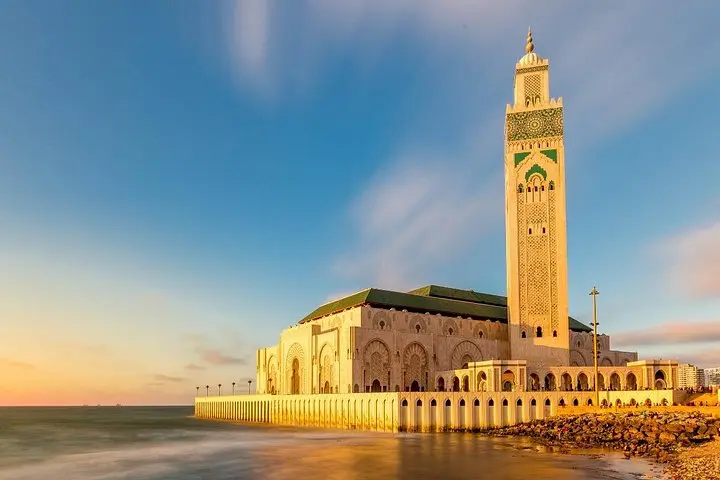
You leave Marrakech before dawn, the riad door closing behind you as the Atlas foothills recede. The motorway slices through the Gharb plains—fields of green that give way to the Atlantic’s cool, briny horizon—until Casablanca’s skyline appears, punctuated by the Hassan II Mosque’s towering minaret.
Verified experiences and guided adventures in the surrounding area.
Operated by Tour and Travel Morocco · Casablanca, Casablanca-Settat
You leave Marrakech before dawn, the riad door closing behind you as the Atlas foothills recede. The motorway slices through the Gharb plains—fields of green that give way to the Atlantic’s cool, briny horizon—until Casablanca’s skyline appears, punctuated by the Hassan II Mosque’s towering minaret.
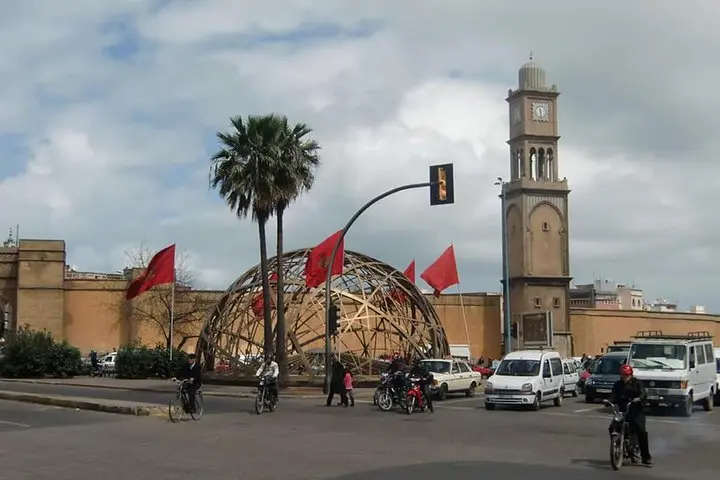
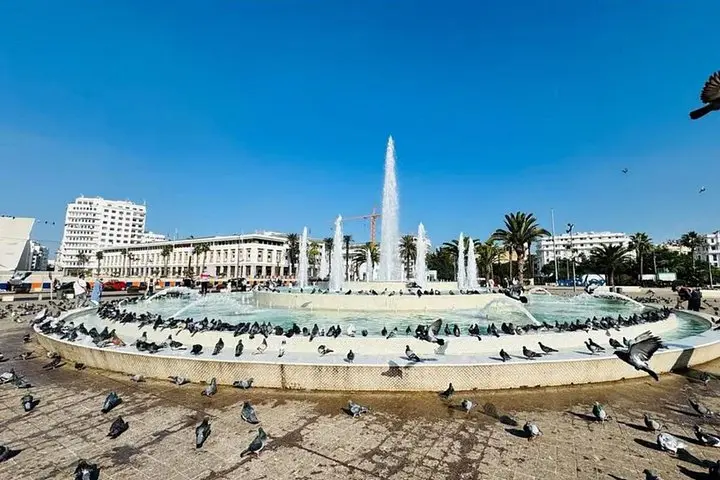
This full-day private excursion threads modern Morocco with its colonial past. Casablanca rose as a 20th-century port and a proving ground for French Art Deco; the Cathedral of the Sacred Heart and the grid of United Nations Square still carry that imprint. The Hassan II Mosque, completed in the late 20th century, perches partly over the sea and showcases Moroccan craftwork on a monumental scale: carved plaster, zellij tile, and cedar ceilings. Along the Ain Diab Corniche the ocean dares you to slow down; cafés and clubs trade the salt air for mint tea and grilled seafood.
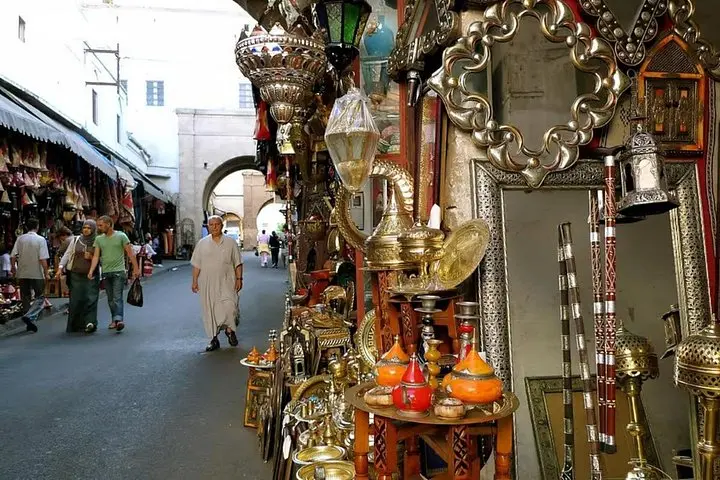
Practical guidance is direct: expect a comfortable 3-hour drive each way, roughly 12–13 hours total door-to-door; wear modest, respectful clothing for mosque entry and pack sun protection for the Corniche. Streets in the old medina are narrow and uneven—sturdy shoes help. The tour is accessible by private vehicle and accommodates most mobility needs, but informs travelers that long periods of sitting and short walks through cobbles are required.
Bring small bills for market purchases, plan for a mid-day lunch (optional at Rick’s Café or a local brasserie), and schedule the mosque visit early to avoid afternoon crowds. The rhythm of the day is urban exploration, tempered by the Atlantic’s presence and a guide who connects architecture, history, and local life into a single moving narrative.
The tour includes a stop at the mosque but admission may require a ticket purchase on site depending on the operator; confirm when booking.
The motorable journey is about three hours each way on the motorway, depending on traffic and stops.
Yes—most restaurants can handle common dietary needs if advised in advance; request vegetarian, halal, or allergy info when booking.
The private transport is wheelchair accessible, but some historic areas and the medina have uneven paving and limited ramp access.
Tour and Travel Morocco operates guided outdoor trips and adventures with an emphasis on safety, stewardship, and memorable experiences.
You leave Marrakech before dawn, the riad door closing behind you as the Atlas foothills recede. The motorway slices through the Gharb plains—fields of green that give way to the Atlantic’s cool, briny horizon—until Casablanca’s skyline appears, punctuated by the Hassan II Mosque’s towering minaret.
You leave Marrakech before dawn, the riad door closing behind you as the Atlas foothills recede. The motorway slices through the Gharb plains—fields of green that give way to the Atlantic’s cool, briny horizon—until Casablanca’s skyline appears, punctuated by the Hassan II Mosque’s towering minaret.
This full-day private excursion threads modern Morocco with its colonial past. Casablanca rose as a 20th-century port and a proving ground for French Art Deco; the Cathedral of the Sacred Heart and the grid of United Nations Square still carry that imprint. The Hassan II Mosque, completed in the late 20th century, perches partly over the sea and showcases Moroccan craftwork on a monumental scale: carved plaster, zellij tile, and cedar ceilings. Along the Ain Diab Corniche the ocean dares you to slow down; cafés and clubs trade the salt air for mint tea and grilled seafood.
Practical guidance is direct: expect a comfortable 3-hour drive each way, roughly 12–13 hours total door-to-door; wear modest, respectful clothing for mosque entry and pack sun protection for the Corniche. Streets in the old medina are narrow and uneven—sturdy shoes help. The tour is accessible by private vehicle and accommodates most mobility needs, but informs travelers that long periods of sitting and short walks through cobbles are required.
Bring small bills for market purchases, plan for a mid-day lunch (optional at Rick’s Café or a local brasserie), and schedule the mosque visit early to avoid afternoon crowds. The rhythm of the day is urban exploration, tempered by the Atlantic’s presence and a guide who connects architecture, history, and local life into a single moving narrative.