THE ADVENTURE COLLECTIVE® · Independent discovery and booking for outdoor travel

Spend a full day among Egypt’s oldest monuments on a private tour that pairs the Giza Pyramids with the ancient capital of Memphis and Saqqara’s Step Pyramid. This practical guide outlines what to expect, how to prepare, and why timing and footwear make the difference.
Spend a full day among Egypt’s oldest monuments on a private tour that pairs the Giza Pyramids with the ancient capital of Memphis and Saqqara’s Step Pyramid. This practical guide outlines what to expect, how to prepare, and why timing and footwear make the difference.
You step out of Cairo’s traffic into wind that carries sand and history; the horizon is broken by three soaring geometric silhouettes—the Giza Pyramids—while the Sphinx watches, impassive and close enough to study. The day moves at a steady, archaeological pace: panoramic views from the Giza plateau, a walk around the Sphinx and its Valley Temple, then inland to Memphis’s open-air museum and the layered graves of Saqqara.
Verified experiences and guided adventures in the surrounding area.
Operated by Deluxe Tours Egypt · Giza, Cairo Governorate
You step out of Cairo’s traffic into wind that carries sand and history; the horizon is broken by three soaring geometric silhouettes—the Giza Pyramids—while the Sphinx watches, impassive and close enough to study. The day moves at a steady, archaeological pace: panoramic views from the Giza plateau, a walk around the Sphinx and its Valley Temple, then inland to Memphis’s open-air museum and the layered graves of Saqqara.
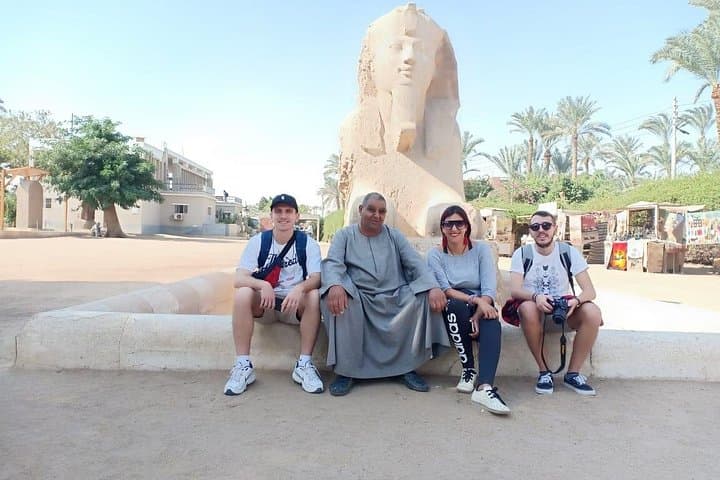
These sites span millennia. Giza’s three main pyramids date to the Fourth Dynasty (c. 2600–2500 BC) and sit on limestone bedrock formed in a shallow Tethys Sea; Saqqara houses the Step Pyramid of Djoser, the world’s first large stone construction from the Third Dynasty. Memphis was the Old Kingdom capital and a center for craftsmen, religion and administration—its ruined colossi and the Mit Rahina exhibits make those civic roots tangible.
Expect dusty, uneven ground, short stair climbs into limited interior spaces (if chosen), and bright desert sun that can change the mood of reliefs and stone in minutes. Practicalities: the full tour runs about 7–9 hours and includes hotel pickup, a licensed Egyptologist guide, bottled water and lunch options depending on booking. Bring sturdy walking shoes for 3–5 km of walking across mixed sand and paved areas, high-SPF sun protection, and small bills for local purchases and tips.
Timing matters—early light softens the limestone; a late afternoon exit cools the plateau. Respect onsite signage, follow your guide into restricted zones only, and carry a personal water supply for comfort.
Entrance options vary by booking; this private tour can include site admissions depending on the chosen package—confirm at booking.
Interior access is limited, requires a specific ticket from the Giza site and is subject to age/health restrictions and availability.
Basic restroom facilities and a lunch at a local restaurant are typically included or available; bring small change for facility fees.
Yes—physical demands are low, but uneven ground and heat can be challenging; children should be supervised and older travelers should plan for rests and shade.
Deluxe Tours Egypt operates guided outdoor trips and adventures with an emphasis on safety, stewardship, and memorable experiences.
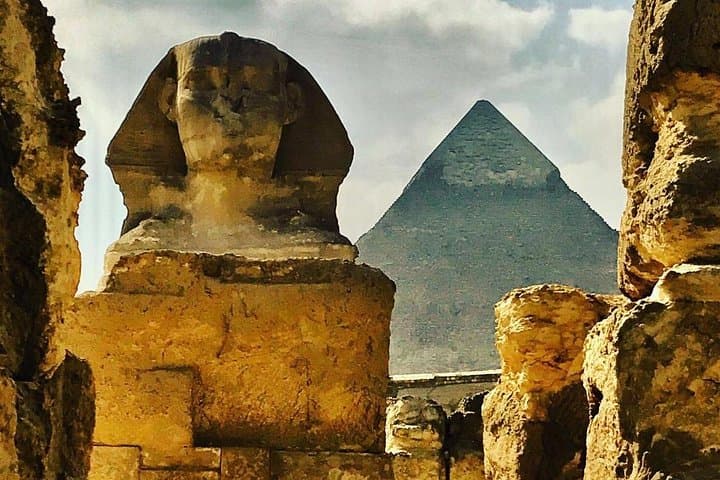
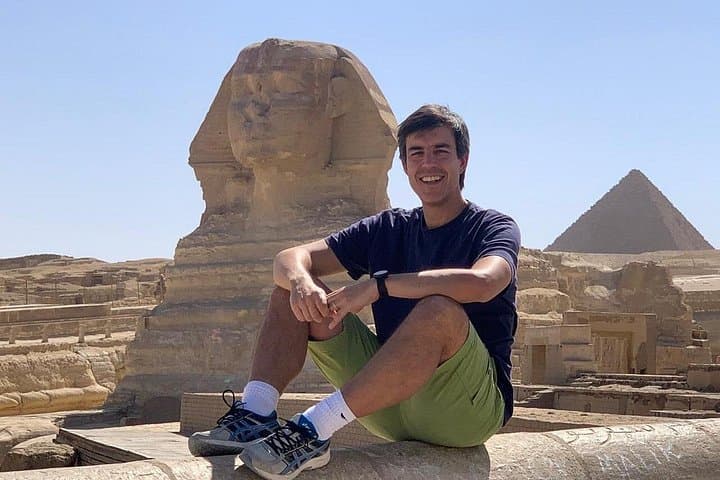
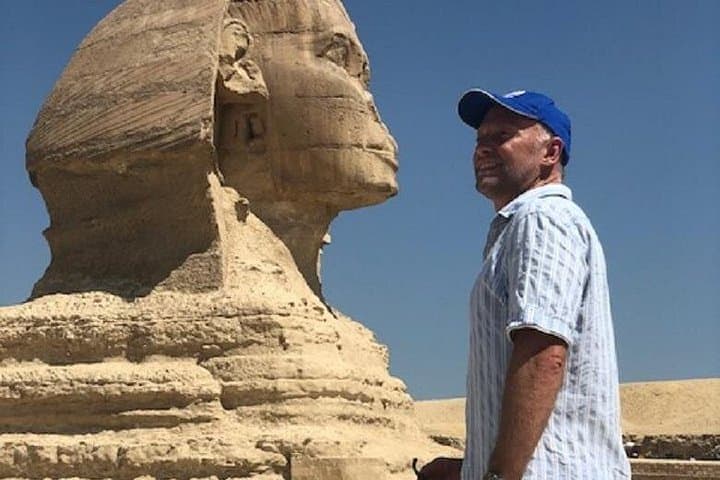
You step out of Cairo’s traffic into wind that carries sand and history; the horizon is broken by three soaring geometric silhouettes—the Giza Pyramids—while the Sphinx watches, impassive and close enough to study. The day moves at a steady, archaeological pace: panoramic views from the Giza plateau, a walk around the Sphinx and its Valley Temple, then inland to Memphis’s open-air museum and the layered graves of Saqqara.
You step out of Cairo’s traffic into wind that carries sand and history; the horizon is broken by three soaring geometric silhouettes—the Giza Pyramids—while the Sphinx watches, impassive and close enough to study. The day moves at a steady, archaeological pace: panoramic views from the Giza plateau, a walk around the Sphinx and its Valley Temple, then inland to Memphis’s open-air museum and the layered graves of Saqqara.
These sites span millennia. Giza’s three main pyramids date to the Fourth Dynasty (c. 2600–2500 BC) and sit on limestone bedrock formed in a shallow Tethys Sea; Saqqara houses the Step Pyramid of Djoser, the world’s first large stone construction from the Third Dynasty. Memphis was the Old Kingdom capital and a center for craftsmen, religion and administration—its ruined colossi and the Mit Rahina exhibits make those civic roots tangible.
Expect dusty, uneven ground, short stair climbs into limited interior spaces (if chosen), and bright desert sun that can change the mood of reliefs and stone in minutes. Practicalities: the full tour runs about 7–9 hours and includes hotel pickup, a licensed Egyptologist guide, bottled water and lunch options depending on booking. Bring sturdy walking shoes for 3–5 km of walking across mixed sand and paved areas, high-SPF sun protection, and small bills for local purchases and tips.
Timing matters—early light softens the limestone; a late afternoon exit cools the plateau. Respect onsite signage, follow your guide into restricted zones only, and carry a personal water supply for comfort.