THE ADVENTURE COLLECTIVE® · Independent discovery and booking for outdoor travel

See the iconic Pyramids of Giza, the Step Pyramid at Saqqara, and the open‑air museum at Memphis in a single private day with an Egyptologist. Practical routing, entrance fees, transfers and lunch included make this an efficient way to cover Egypt’s foundational sites.
See the iconic Pyramids of Giza, the Step Pyramid at Saqqara, and the open‑air museum at Memphis in a single private day with an Egyptologist. Practical routing, entrance fees, transfers and lunch included make this an efficient way to cover Egypt’s foundational sites.
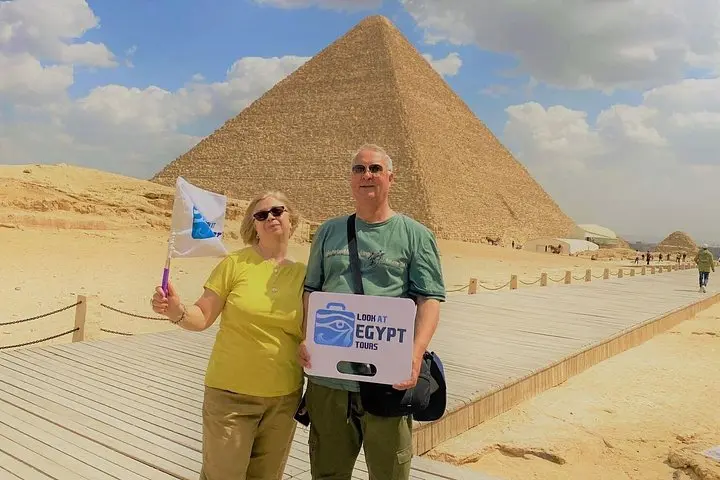
Step onto the limestone grit of the Giza Plateau and the present tightens: wind lifts sand across the stones, and three colossal triangles step out of the horizon. Your private Egyptologist guides the pace, pointing out angled casing stones and the weathered face of the Sphinx while traffic hums miles below toward modern Cairo.
Verified experiences and guided adventures in the surrounding area.
Operated by Look at Egypt Tours · Giza, Cairo Governorate
Step onto the limestone grit of the Giza Plateau and the present tightens: wind lifts sand across the stones, and three colossal triangles step out of the horizon. Your private Egyptologist guides the pace, pointing out angled casing stones and the weathered face of the Sphinx while traffic hums miles below toward modern Cairo.
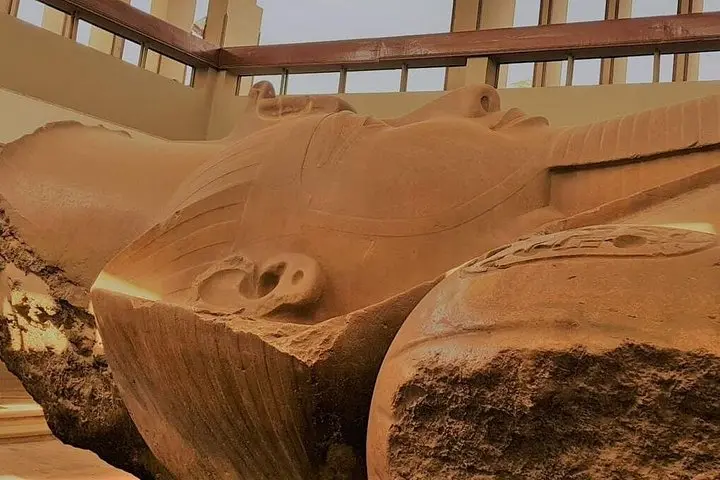
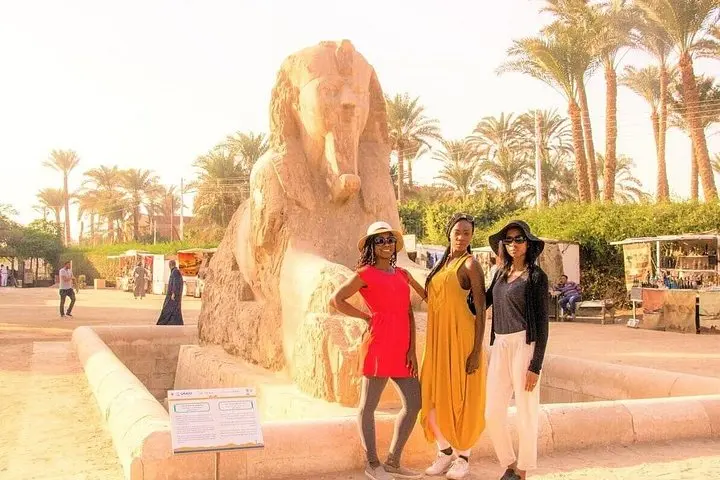
This loop through Egypt’s earliest monuments moves from the Old Kingdom’s most famous pyramids to the Step Pyramid complex at Saqqara — the work of Imhotep and the model for later tomb architecture — and then to Memphis (Mit Rahina), the open‑air museum where a fallen Ramses II and an alabaster sphinx recall the city that once anchored pharaonic power. Geology here is blunt: Tura limestone and Nubian bedrock shape tomb design, while the desert’s dry air preserves carved reliefs and monuments that are millennia old.
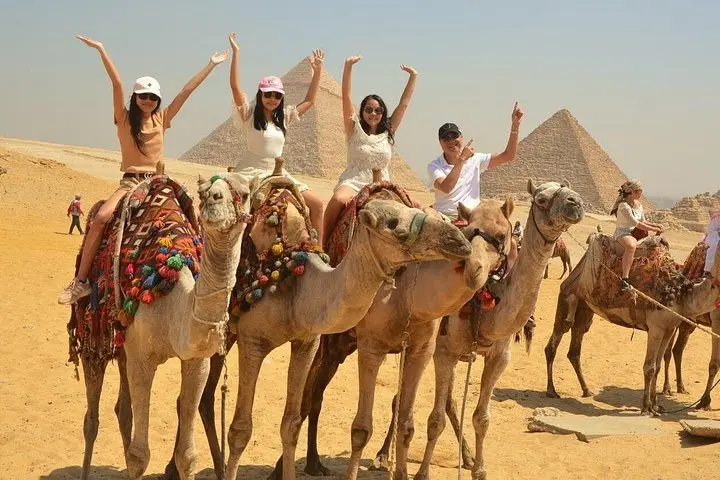
Practically, expect a full 8–9 hour day with transfers in an air‑conditioned vehicle, time for photos, and a midday lunch stop. Wear sturdy closed shoes for uneven paving, sun protection, and carry a refillable bottle — bottled water is often provided. Buy entrance tickets through your guide to avoid confusion at multiple sites; camel or horse offers at Giza are optional and negotiated locally. The private format keeps lines and logistics simple, but bring cash for gratuities and small purchases and allow flexibility for light traffic. This tour stitches the essential pyramid sites into one efficient, historically rich day.
Yes; the tour description specifies entrance fees to the mentioned sites are included.
The operator lists transportation and the tour as wheelchair accessible, but terrain at some ruins is uneven—notify the guide of needs in advance.
Access inside the Great Pyramid is subject to site rules and may require an additional ticket; confirm with the guide day‑of.
Tipping local guides, drivers, and service staff is customary; carry small bills in Egyptian pounds.
Look at Egypt Tours operates guided outdoor trips and adventures with an emphasis on safety, stewardship, and memorable experiences.
Step onto the limestone grit of the Giza Plateau and the present tightens: wind lifts sand across the stones, and three colossal triangles step out of the horizon. Your private Egyptologist guides the pace, pointing out angled casing stones and the weathered face of the Sphinx while traffic hums miles below toward modern Cairo.
Step onto the limestone grit of the Giza Plateau and the present tightens: wind lifts sand across the stones, and three colossal triangles step out of the horizon. Your private Egyptologist guides the pace, pointing out angled casing stones and the weathered face of the Sphinx while traffic hums miles below toward modern Cairo.
This loop through Egypt’s earliest monuments moves from the Old Kingdom’s most famous pyramids to the Step Pyramid complex at Saqqara — the work of Imhotep and the model for later tomb architecture — and then to Memphis (Mit Rahina), the open‑air museum where a fallen Ramses II and an alabaster sphinx recall the city that once anchored pharaonic power. Geology here is blunt: Tura limestone and Nubian bedrock shape tomb design, while the desert’s dry air preserves carved reliefs and monuments that are millennia old.
Practically, expect a full 8–9 hour day with transfers in an air‑conditioned vehicle, time for photos, and a midday lunch stop. Wear sturdy closed shoes for uneven paving, sun protection, and carry a refillable bottle — bottled water is often provided. Buy entrance tickets through your guide to avoid confusion at multiple sites; camel or horse offers at Giza are optional and negotiated locally. The private format keeps lines and logistics simple, but bring cash for gratuities and small purchases and allow flexibility for light traffic. This tour stitches the essential pyramid sites into one efficient, historically rich day.