THE ADVENTURE COLLECTIVE® · Independent discovery and booking for outdoor travel

Spend a full day exploring Izamal’s yellow streets and Valladolid’s colonial heart, taste heritage cacao, and finish with a tequila sampling. This private tour blends Maya archaeology, colonial architecture, and hands‑on culinary stops for a compact cultural immersion.
Spend a full day exploring Izamal’s yellow streets and Valladolid’s colonial heart, taste heritage cacao, and finish with a tequila sampling. This private tour blends Maya archaeology, colonial architecture, and hands‑on culinary stops for a compact cultural immersion.
Morning light pours over low, ochre buildings as a comfortable van eases out of Cancun toward the Yucatán interior. You feel the road unfurl beneath you and the landscape change: sugarcane and dry scrub give way to tiled plazas and the flat stone of Maya ruins. The first stop is Izamal — its painted walls and the convent’s broad atrium announce a layered history where Pre‑Columbian pyramids sit under Spanish church shadows.
Verified experiences and guided adventures in the surrounding area.
Operated by Trip To Mexico · Valladolid, Yucatán
Morning light pours over low, ochre buildings as a comfortable van eases out of Cancun toward the Yucatán interior. You feel the road unfurl beneath you and the landscape change: sugarcane and dry scrub give way to tiled plazas and the flat stone of Maya ruins. The first stop is Izamal — its painted walls and the convent’s broad atrium announce a layered history where Pre‑Columbian pyramids sit under Spanish church shadows.
This route threads through the peninsula’s layered past: pre‑Hispanic plazas and elevated sacbeob (white causeways) that speak to Mayan trade, a colonial imprint of convents and calzadas, and a food culture that mixes maize, achiote, and cacao. Geologically the region is low and karstic — limestone underfoot, cenotes hidden like wells — which shaped settlement and agriculture for centuries.
Culturally expect bustling marketplaces, the bright facades of Valladolid’s Calzada de los Frailes, and the slow ceremony of cacao tasting at the Chocolate Museum. The day closes with a focused tequila and spirit tasting that puts local agave flavors in context.
Practical guidance: plan for a long day (about 12 hours), wear sturdy walking shoes and sun protection, and bring cash for street food and small purchases. Hydrate between sites; many stops require brief walks on uneven paving and archaeological steps. If you want photos without crowds, ask to time the convent visit early or late in the day. Finally, respect local customs — modest dress in churches, and ask before photographing people or market stalls.
The itinerary is approximately 12 hours (about 720 minutes), typically a full‑day excursion with hotel pickup and return.
Yes — private transportation with hotel pickup and drop‑off is included in the tour.
Tequila tasting admission is included; other site admissions and the Chocolate Museum may not be included—confirm with the operator in advance.
Not recommended for travelers with significant spinal or mobility issues; the tour involves walking on uneven surfaces and climbing steps at archaeological and colonial sites.
Trip To Mexico operates guided outdoor trips and adventures with an emphasis on safety, stewardship, and memorable experiences.
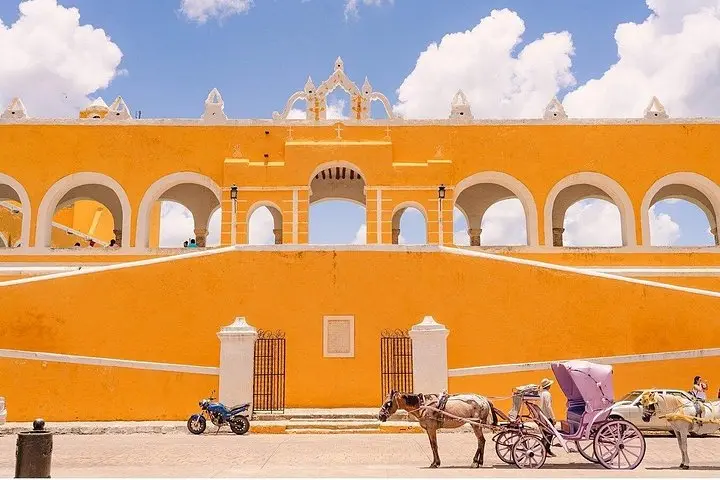
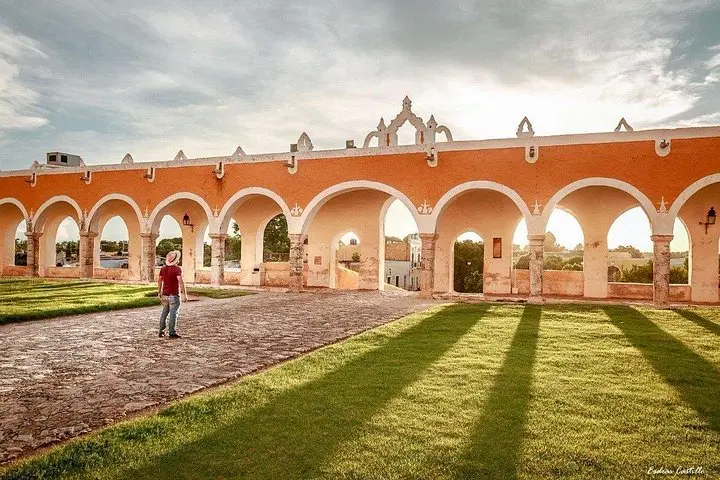
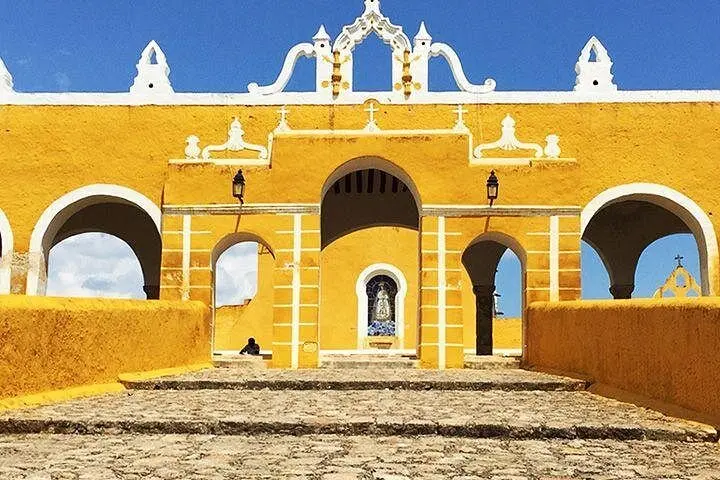
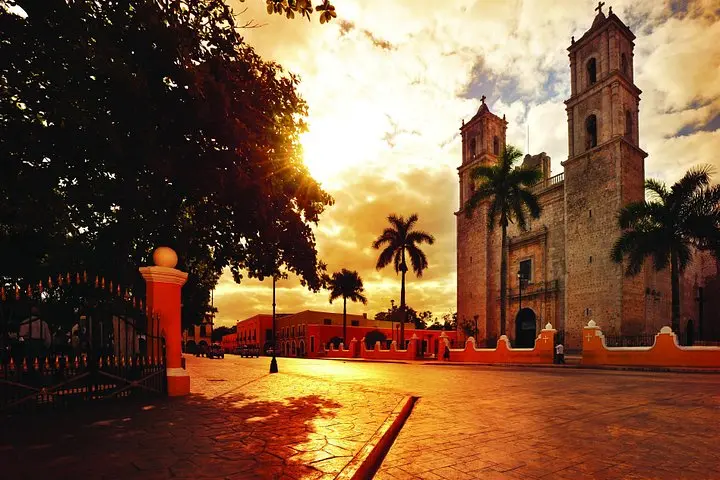
Morning light pours over low, ochre buildings as a comfortable van eases out of Cancun toward the Yucatán interior. You feel the road unfurl beneath you and the landscape change: sugarcane and dry scrub give way to tiled plazas and the flat stone of Maya ruins. The first stop is Izamal — its painted walls and the convent’s broad atrium announce a layered history where Pre‑Columbian pyramids sit under Spanish church shadows.
Morning light pours over low, ochre buildings as a comfortable van eases out of Cancun toward the Yucatán interior. You feel the road unfurl beneath you and the landscape change: sugarcane and dry scrub give way to tiled plazas and the flat stone of Maya ruins. The first stop is Izamal — its painted walls and the convent’s broad atrium announce a layered history where Pre‑Columbian pyramids sit under Spanish church shadows.
This route threads through the peninsula’s layered past: pre‑Hispanic plazas and elevated sacbeob (white causeways) that speak to Mayan trade, a colonial imprint of convents and calzadas, and a food culture that mixes maize, achiote, and cacao. Geologically the region is low and karstic — limestone underfoot, cenotes hidden like wells — which shaped settlement and agriculture for centuries.
Culturally expect bustling marketplaces, the bright facades of Valladolid’s Calzada de los Frailes, and the slow ceremony of cacao tasting at the Chocolate Museum. The day closes with a focused tequila and spirit tasting that puts local agave flavors in context.
Practical guidance: plan for a long day (about 12 hours), wear sturdy walking shoes and sun protection, and bring cash for street food and small purchases. Hydrate between sites; many stops require brief walks on uneven paving and archaeological steps. If you want photos without crowds, ask to time the convent visit early or late in the day. Finally, respect local customs — modest dress in churches, and ask before photographing people or market stalls.