THE ADVENTURE COLLECTIVE® · Independent discovery and booking for outdoor travel

A private full-day from Chengdu brings the world’s largest carved stone Buddha into view and lets you stroll a 1,700-year-old water town the same afternoon. Expect river panoramas, stone steps and a home-style lunch along the way.
A private full-day from Chengdu brings the world’s largest carved stone Buddha into view and lets you stroll a 1,700-year-old water town the same afternoon. Expect river panoramas, stone steps and a home-style lunch along the way.
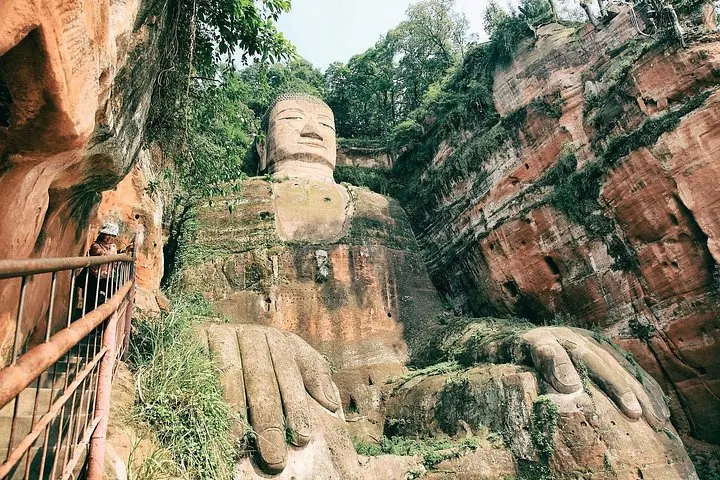
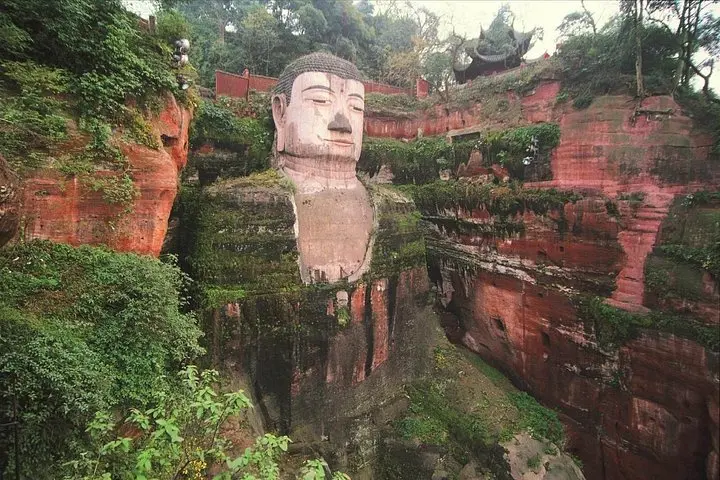
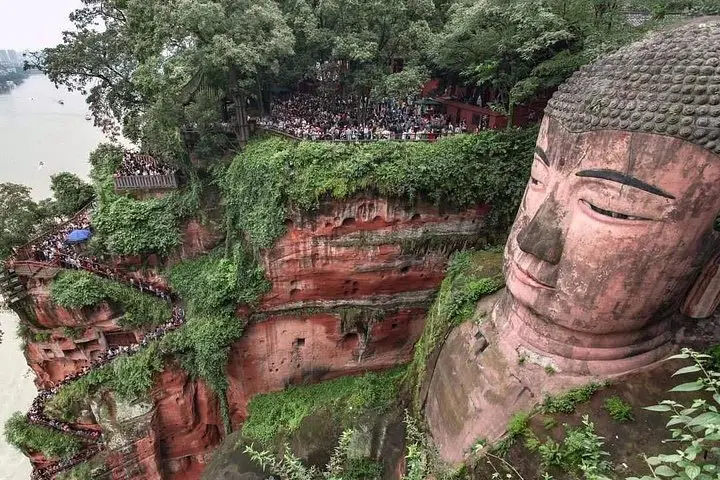
You wake before dawn in Chengdu and slip into an air-conditioned car that hums out of the city toward open paddy fields and river bends. The road eases you along terraces and villages; when the cliff-face appears, the Giant Buddha fills your view—its 71-meter silhouette carved directly into red sandstone, watching three rivers meet below.
Verified experiences and guided adventures in the surrounding area.
Operated by Unique Beijing Tours · Leshan, Sichuan
You wake before dawn in Chengdu and slip into an air-conditioned car that hums out of the city toward open paddy fields and river bends. The road eases you along terraces and villages; when the cliff-face appears, the Giant Buddha fills your view—its 71-meter silhouette carved directly into red sandstone, watching three rivers meet below.
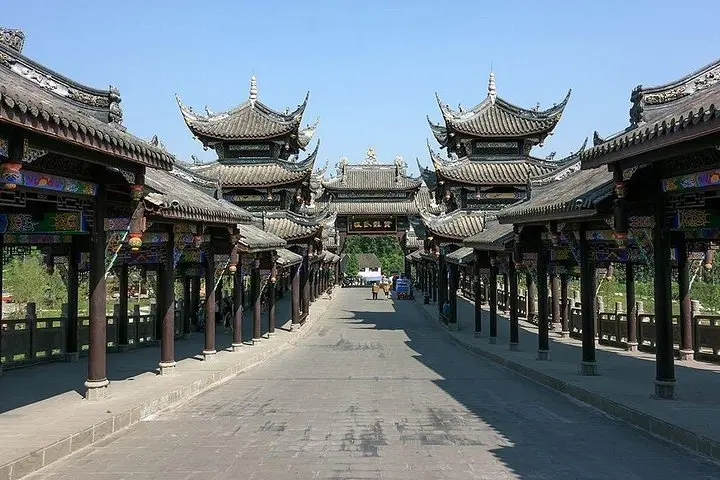
The statue was begun in 713 and completed in 803 during the Tang Dynasty, a project born of engineering, ritual and river control. Geologically the site sits where the Min, Dadu and Qingyi rivers converge, and the river currents once threatened river traffic—so the Buddha’s builders hoped its mass would calm the waters. Nearby Huanglongxi traces more than 1,700 years of settlement, with a Qing-era street plan, tea houses by the stream and film sets that preserve traditional facades.
Your guide widens the story: the Lingyun Temple tucked behind the Buddha’s head; a mapped descent along the statue’s flank that yields framed perspectives; and the farmhouse lunch that introduces local Sichuan flavors. In Huanglongxi you can try hand-pulled noodles, wander seven historic streets and watch banyan roots cross old stone.
Practicalities: expect a 6–8 hour day with about 2.5 hours driving each way; plan for steep stone steps and short descents (guides typically allot a 30-minute cliff-side walk). Bring comfortable walking shoes, sun and rain protection, cash for snacks and small purchases, and a camera with a wide lens for scale shots. Weather can change quickly—pack layers and protect electronics from spray when near the river.
Expect approximately 2–2.5 hours each way by private vehicle, depending on traffic; the full tour runs about 6–8 hours.
The vehicle and some town streets are accessible, but viewing the Buddha involves many stairs and steep paths not suitable for wheelchairs—strollers can be used around Huanglongxi.
Yes, standard private tours typically include entrance fees and a local farmhouse lunch as part of the package.
Boat options exist at the site for alternative viewpoints, but availability depends on river conditions and may be seasonal; ask your guide on the day.
Unique Beijing Tours operates guided outdoor trips and adventures with an emphasis on safety, stewardship, and memorable experiences.
You wake before dawn in Chengdu and slip into an air-conditioned car that hums out of the city toward open paddy fields and river bends. The road eases you along terraces and villages; when the cliff-face appears, the Giant Buddha fills your view—its 71-meter silhouette carved directly into red sandstone, watching three rivers meet below.
You wake before dawn in Chengdu and slip into an air-conditioned car that hums out of the city toward open paddy fields and river bends. The road eases you along terraces and villages; when the cliff-face appears, the Giant Buddha fills your view—its 71-meter silhouette carved directly into red sandstone, watching three rivers meet below.
The statue was begun in 713 and completed in 803 during the Tang Dynasty, a project born of engineering, ritual and river control. Geologically the site sits where the Min, Dadu and Qingyi rivers converge, and the river currents once threatened river traffic—so the Buddha’s builders hoped its mass would calm the waters. Nearby Huanglongxi traces more than 1,700 years of settlement, with a Qing-era street plan, tea houses by the stream and film sets that preserve traditional facades.
Your guide widens the story: the Lingyun Temple tucked behind the Buddha’s head; a mapped descent along the statue’s flank that yields framed perspectives; and the farmhouse lunch that introduces local Sichuan flavors. In Huanglongxi you can try hand-pulled noodles, wander seven historic streets and watch banyan roots cross old stone.
Practicalities: expect a 6–8 hour day with about 2.5 hours driving each way; plan for steep stone steps and short descents (guides typically allot a 30-minute cliff-side walk). Bring comfortable walking shoes, sun and rain protection, cash for snacks and small purchases, and a camera with a wide lens for scale shots. Weather can change quickly—pack layers and protect electronics from spray when near the river.