THE ADVENTURE COLLECTIVE® · Independent discovery and booking for outdoor travel

Spend a full day tracing Alexandria’s layered past—from the subterranean catacombs to the Citadel of Qaitbay and the modern Bibliotheca Alexandrina. This private shore‑side itinerary pairs coastal scenery with archaeological highlights and a local lunch.
Spend a full day tracing Alexandria’s layered past—from the subterranean catacombs to the Citadel of Qaitbay and the modern Bibliotheca Alexandrina. This private shore‑side itinerary pairs coastal scenery with archaeological highlights and a local lunch.
The Mediterranean wind cuts across the corniche as your private car pulls into Alexandria, the city where sea and history argue over whose stories are older. You step down onto limestone promenades framed by weathered seawalls; gulls wheel like punctuation marks over the harbor. The day moves deliberately—catacombs lit by muffled sunlight, the crown-like minarets of Abu al‑Abbas al‑Mursi, and the battered stones of the Citadel of Qaitbay standing on the former footprint of the Pharos.
Verified experiences and guided adventures in the surrounding area.
Operated by Egyptio Tours · Alexandria, Alexandria Governorate
The Mediterranean wind cuts across the corniche as your private car pulls into Alexandria, the city where sea and history argue over whose stories are older. You step down onto limestone promenades framed by weathered seawalls; gulls wheel like punctuation marks over the harbor. The day moves deliberately—catacombs lit by muffled sunlight, the crown-like minarets of Abu al‑Abbas al‑Mursi, and the battered stones of the Citadel of Qaitbay standing on the former footprint of the Pharos.
Alexandria grew from Alexander the Great’s Hellenistic ambitions into a Roman and later Islamic port where cultures layered their architecture and language. Geology here is coastal limestone and sand, eroded into terraces and shallow caves that house the Kom el‑Shoqafa necropolis. The city’s modern Bibliotheca Alexandrina is a deliberate, angular response to its lost ancestor: a cultural reset made of glass and granite that faces the sea.
Expect a balanced cultural day—short walks on uneven surfaces, staircases in ancient sites, and long stretches of seated travel between Cairo and Alexandria. Guides typically weave archaeology with anecdotes about royal palaces and maritime trade. Lunch at a local restaurant will showcase Mediterranean seafood and Levantine flavors.
Practical guidance: bring sun protection and comfortable walking shoes with good grip; wear layers for breezy waterfront conditions. Keep a small amount of local currency for tips and snacks; carry ID for museum access. Confirm which admissions are included when you book. The pace is accessible for most travelers but plan for a full-day excursion with early pickup and late return to Cairo.
The full‑day private tour runs about 10–12 hours (transport included) and generally includes hotel pickup and drop‑off in Cairo; confirm your pickup point at booking.
The tour description lists lunch and many site admissions as included, but policies can vary—verify included admissions with the operator before arrival.
The operator lists wheelchair‑accessible transportation, but many historic sites have stairs or uneven terrain; contact the provider to plan accessible routing.
Private tours are often flexible—ask the operator in advance about alterations, extra time at the Bibliotheca, or alternative sites.
Egyptio Tours operates guided outdoor trips and adventures with an emphasis on safety, stewardship, and memorable experiences.
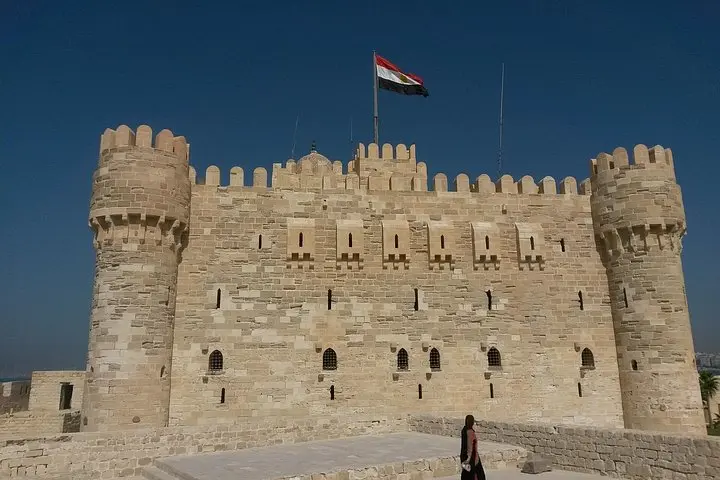
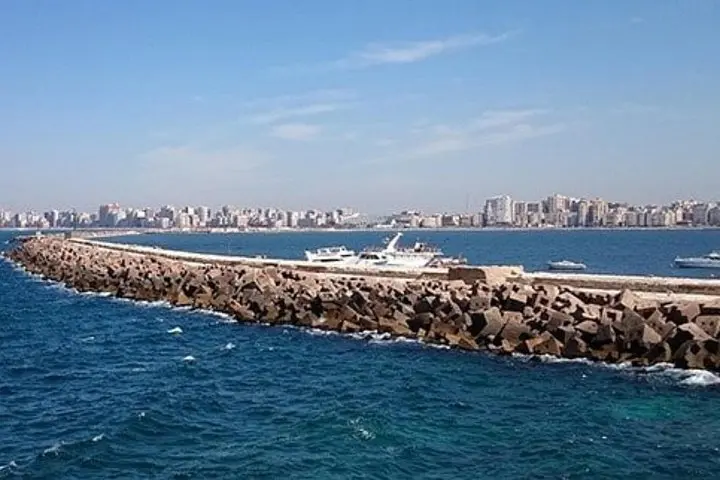
The Mediterranean wind cuts across the corniche as your private car pulls into Alexandria, the city where sea and history argue over whose stories are older. You step down onto limestone promenades framed by weathered seawalls; gulls wheel like punctuation marks over the harbor. The day moves deliberately—catacombs lit by muffled sunlight, the crown-like minarets of Abu al‑Abbas al‑Mursi, and the battered stones of the Citadel of Qaitbay standing on the former footprint of the Pharos.
The Mediterranean wind cuts across the corniche as your private car pulls into Alexandria, the city where sea and history argue over whose stories are older. You step down onto limestone promenades framed by weathered seawalls; gulls wheel like punctuation marks over the harbor. The day moves deliberately—catacombs lit by muffled sunlight, the crown-like minarets of Abu al‑Abbas al‑Mursi, and the battered stones of the Citadel of Qaitbay standing on the former footprint of the Pharos.
Alexandria grew from Alexander the Great’s Hellenistic ambitions into a Roman and later Islamic port where cultures layered their architecture and language. Geology here is coastal limestone and sand, eroded into terraces and shallow caves that house the Kom el‑Shoqafa necropolis. The city’s modern Bibliotheca Alexandrina is a deliberate, angular response to its lost ancestor: a cultural reset made of glass and granite that faces the sea.
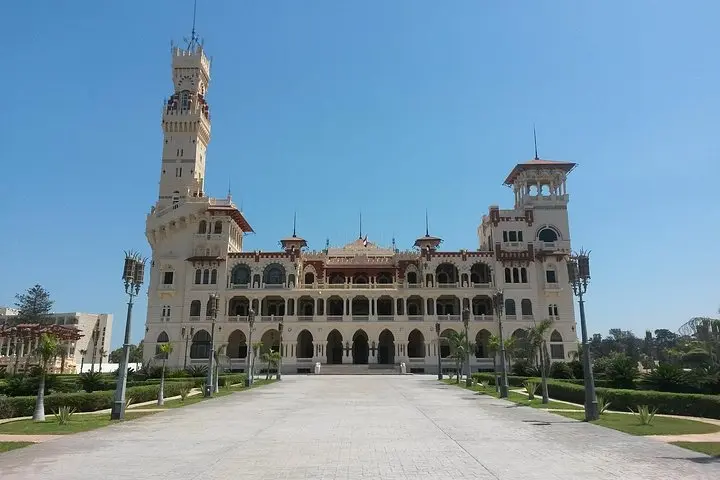
Expect a balanced cultural day—short walks on uneven surfaces, staircases in ancient sites, and long stretches of seated travel between Cairo and Alexandria. Guides typically weave archaeology with anecdotes about royal palaces and maritime trade. Lunch at a local restaurant will showcase Mediterranean seafood and Levantine flavors.
Practical guidance: bring sun protection and comfortable walking shoes with good grip; wear layers for breezy waterfront conditions. Keep a small amount of local currency for tips and snacks; carry ID for museum access. Confirm which admissions are included when you book. The pace is accessible for most travelers but plan for a full-day excursion with early pickup and late return to Cairo.