THE ADVENTURE COLLECTIVE® · Independent discovery and booking for outdoor travel

Drive across Crete’s limestone backbone to visit Topolia Gorge, Agia Sophia cave and the cliff-top Chrisoskalitisa Monastery before spending four hours on Elafonisi’s pink sands. This private day tour blends geology, culture and protected coastal scenery.
Drive across Crete’s limestone backbone to visit Topolia Gorge, Agia Sophia cave and the cliff-top Chrisoskalitisa Monastery before spending four hours on Elafonisi’s pink sands. This private day tour blends geology, culture and protected coastal scenery.
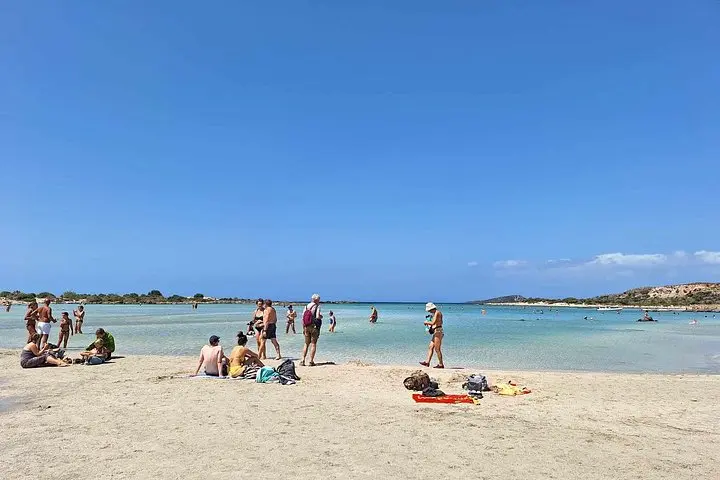
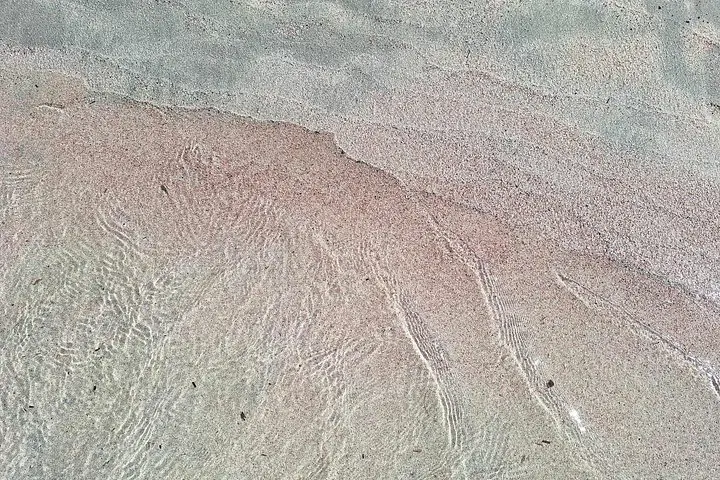
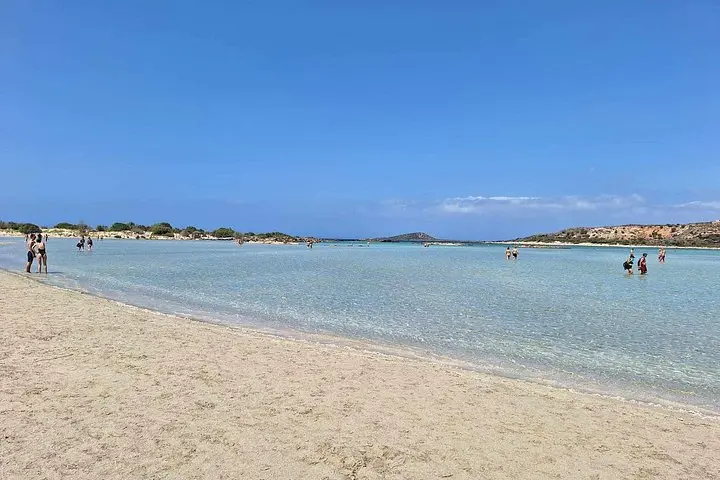
You turn a shoulder of limestone and the road opens to a pale sea—Elafonisi’s shallow lagoon stretches like a sunlit shelf, its pink-streaked sand heat-softened underfoot and its clear water daring you to wade. Earlier, the van threads the highland spine of western Crete: the gorge of Topolia narrows, pines hunch along rock, and the cave of Agia Sophia gapes cool and quiet.
Verified experiences and guided adventures in the surrounding area.
Operated by Iolkos Tours · Chania, Crete
You turn a shoulder of limestone and the road opens to a pale sea—Elafonisi’s shallow lagoon stretches like a sunlit shelf, its pink-streaked sand heat-softened underfoot and its clear water daring you to wade. Earlier, the van threads the highland spine of western Crete: the gorge of Topolia narrows, pines hunch along rock, and the cave of Agia Sophia gapes cool and quiet.
The route traces island geology and human history. West Crete’s folded limestone and recent marine terraces created cliffs and coves; the monastery of Chrisoskalitisa perches on a 35–40m rock, its stonework a practical answer to seafaring raids and shifting shores. Local villages you pass have kept pastoral rhythms—goats, terraces and tavernas serving raki and dakos—connecting modern visitors to centuries of Cretan rural life.
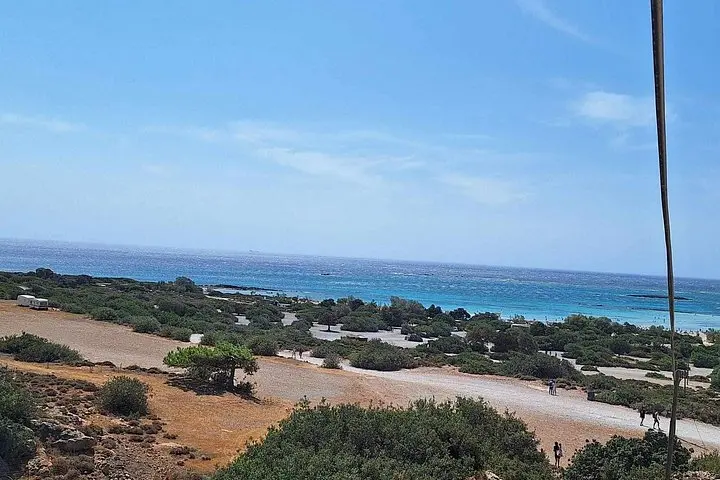
Expect a mix of gentle walking and long photo stops: a short walk into Topolia Gorge, a brief climb to Agia Sophia cave, time to explore the monastery’s cliff-top outlook, and four hours to swim, sun and walk the dunes at Elafonisi, a protected Natura 2000 site where sea lilies hold dunes together.
Practical guidance: leave early to avoid midday heat, bring reef shoes for the shifting sand and pebbly shallows, and pack reef-friendly sunscreen. Respect marked dunes and protected vegetation; signage indicates where to step. The tour runs about 8–9 hours with private transport, bottled water and a lunch box included—ideal for travelers who want a full-day slice of Crete’s coastal and cultural contrasts without strenuous hiking.
The itinerary includes about four hours of free time at Elafonisi for swimming, walking the dunes and relaxing.
Visitors can access the monastery grounds and viewpoints; modest dress is recommended and some interior areas may be subject to service times.
Yes—infant seats are available and the tour is listed as suitable for a range of fitness levels, but expect some uneven surfaces and stairs.
You may spot Cretan wild goats (kri-kri) in higher terrain and seabirds along the coast; wildlife sightings aren’t guaranteed.
Iolkos Tours operates guided outdoor trips and adventures with an emphasis on safety, stewardship, and memorable experiences.
You turn a shoulder of limestone and the road opens to a pale sea—Elafonisi’s shallow lagoon stretches like a sunlit shelf, its pink-streaked sand heat-softened underfoot and its clear water daring you to wade. Earlier, the van threads the highland spine of western Crete: the gorge of Topolia narrows, pines hunch along rock, and the cave of Agia Sophia gapes cool and quiet.
You turn a shoulder of limestone and the road opens to a pale sea—Elafonisi’s shallow lagoon stretches like a sunlit shelf, its pink-streaked sand heat-softened underfoot and its clear water daring you to wade. Earlier, the van threads the highland spine of western Crete: the gorge of Topolia narrows, pines hunch along rock, and the cave of Agia Sophia gapes cool and quiet.
The route traces island geology and human history. West Crete’s folded limestone and recent marine terraces created cliffs and coves; the monastery of Chrisoskalitisa perches on a 35–40m rock, its stonework a practical answer to seafaring raids and shifting shores. Local villages you pass have kept pastoral rhythms—goats, terraces and tavernas serving raki and dakos—connecting modern visitors to centuries of Cretan rural life.
Expect a mix of gentle walking and long photo stops: a short walk into Topolia Gorge, a brief climb to Agia Sophia cave, time to explore the monastery’s cliff-top outlook, and four hours to swim, sun and walk the dunes at Elafonisi, a protected Natura 2000 site where sea lilies hold dunes together.
Practical guidance: leave early to avoid midday heat, bring reef shoes for the shifting sand and pebbly shallows, and pack reef-friendly sunscreen. Respect marked dunes and protected vegetation; signage indicates where to step. The tour runs about 8–9 hours with private transport, bottled water and a lunch box included—ideal for travelers who want a full-day slice of Crete’s coastal and cultural contrasts without strenuous hiking.