THE ADVENTURE COLLECTIVE® · Independent discovery and booking for outdoor travel

Spend a private day with an Egyptologist moving from the Step Pyramid at Saqqara to the Great Pyramid and Sphinx at Giza. This eight-hour tour combines hands-on history, short camel ride and practical logistics for a full archaeological immersion.
Spend a private day with an Egyptologist moving from the Step Pyramid at Saqqara to the Great Pyramid and Sphinx at Giza. This eight-hour tour combines hands-on history, short camel ride and practical logistics for a full archaeological immersion.
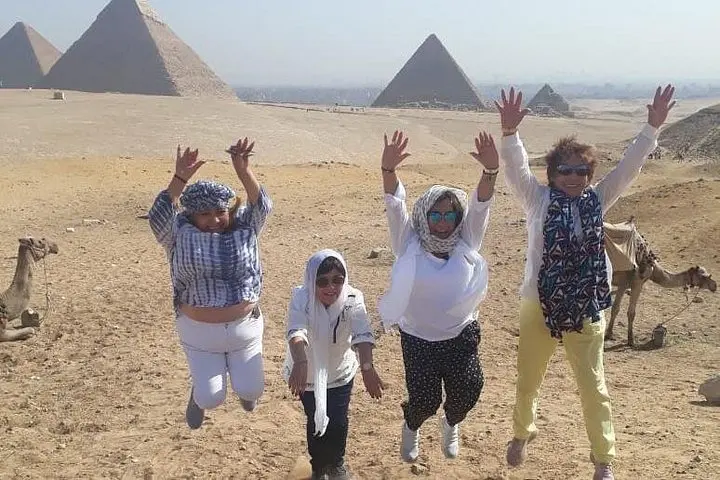
You arrive at dawn and the limestone blocks of the Great Pyramid glow pale gold as the city hums behind you. A private Egyptologist meets you at the hotel and, within an hour, you’re standing where millennia of labor meet the desert sky: Cheops’ silhouette dominates the horizon, the Sphinx stares east, and Cairo’s sprawl recedes into the heat shimmer.
Verified experiences and guided adventures in the surrounding area.
Operated by Pyramids Land Private Tours · Giza, Giza Governorate
You arrive at dawn and the limestone blocks of the Great Pyramid glow pale gold as the city hums behind you. A private Egyptologist meets you at the hotel and, within an hour, you’re standing where millennia of labor meet the desert sky: Cheops’ silhouette dominates the horizon, the Sphinx stares east, and Cairo’s sprawl recedes into the heat shimmer.
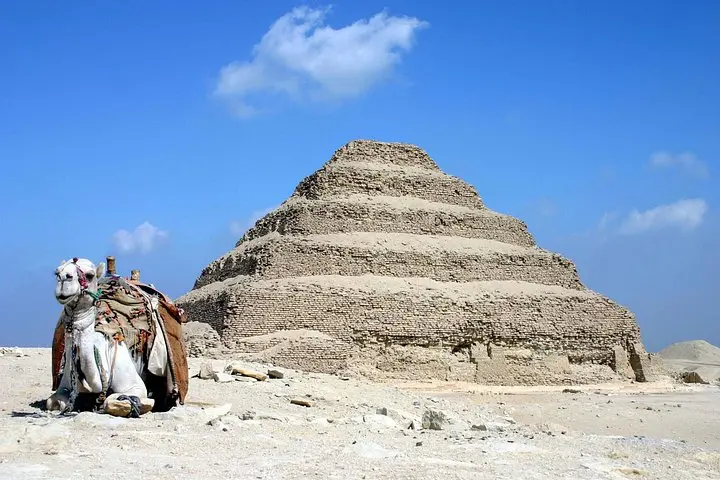
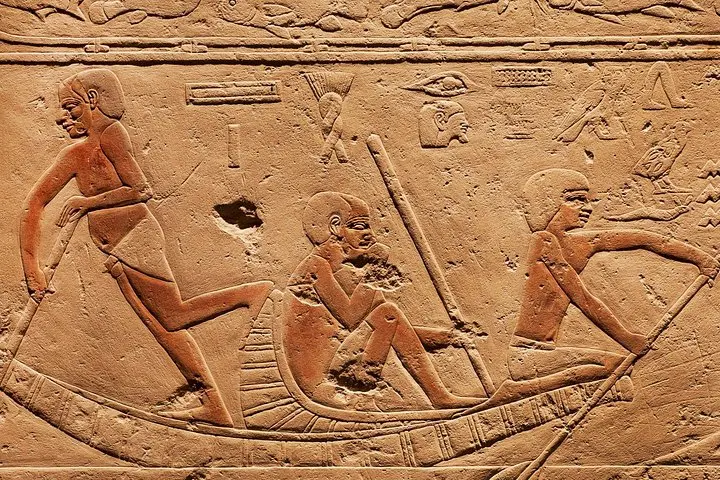
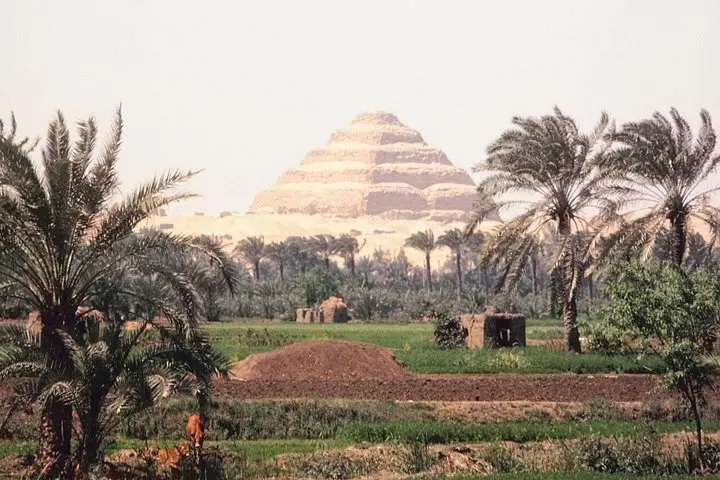
The day moves from Giza’s canonical trio — Khufu, Khafre and Menkaure — to Saqqara’s older, pioneering architecture: Djoser’s Step Pyramid marks the shift from mastaba tombs to vertical ambition. Tombs of nobles and the painted chambers of Kagemni and the pyramid of Teti illustrate daily life, funerary rites and funerary texts that predate later pharaonic canon.
Geology is visible in the building blocks: local limestone beds quarried nearby, later repaired with mortar and granite capstones. Culturally, the plateau has long been a focal point for pilgrimage, scholarship and modern tourism; the camels and vendors you meet are part of that ongoing story.
Practical guidance: this is an eight‑hour, full‑day outing with hotel pickup in an air‑conditioned minivan; entrance fees are typically paid on-site. Expect a 25‑minute camel ride on the Giza plateau, some walking on uneven stone and sand, and intermittent shade. Bring a broad‑brim hat, high-SPF sunscreen and plenty of water, and plan to move between sites early to avoid the midday heat and crowds. Modest clothing is required at monuments; comfortable closed-toe shoes help over rough terrain. With an experienced guide, the route balances archaeology, context and clear logistics so you leave with the story behind the stones.
No — most bookings include transport, guide and some inclusions, but archaeological site entry fees are usually paid on-site; confirm with your operator before arrival.
Yes, children can join but must be accompanied by an adult; the itinerary notes stroller access but expect uneven terrain and heat.
It’s moderate: several hours on foot across uneven stone, short climbs to viewpoints and periods standing while the guide explains features; bring breaks into your pacing.
The included 25-minute camel ride on the Giza plateau is generally safe with handlers present; wear long trousers and hold on when mounting and dismounting.
Pyramids Land Private Tours operates guided outdoor trips and adventures with an emphasis on safety, stewardship, and memorable experiences.
You arrive at dawn and the limestone blocks of the Great Pyramid glow pale gold as the city hums behind you. A private Egyptologist meets you at the hotel and, within an hour, you’re standing where millennia of labor meet the desert sky: Cheops’ silhouette dominates the horizon, the Sphinx stares east, and Cairo’s sprawl recedes into the heat shimmer.
You arrive at dawn and the limestone blocks of the Great Pyramid glow pale gold as the city hums behind you. A private Egyptologist meets you at the hotel and, within an hour, you’re standing where millennia of labor meet the desert sky: Cheops’ silhouette dominates the horizon, the Sphinx stares east, and Cairo’s sprawl recedes into the heat shimmer.
The day moves from Giza’s canonical trio — Khufu, Khafre and Menkaure — to Saqqara’s older, pioneering architecture: Djoser’s Step Pyramid marks the shift from mastaba tombs to vertical ambition. Tombs of nobles and the painted chambers of Kagemni and the pyramid of Teti illustrate daily life, funerary rites and funerary texts that predate later pharaonic canon.
Geology is visible in the building blocks: local limestone beds quarried nearby, later repaired with mortar and granite capstones. Culturally, the plateau has long been a focal point for pilgrimage, scholarship and modern tourism; the camels and vendors you meet are part of that ongoing story.
Practical guidance: this is an eight‑hour, full‑day outing with hotel pickup in an air‑conditioned minivan; entrance fees are typically paid on-site. Expect a 25‑minute camel ride on the Giza plateau, some walking on uneven stone and sand, and intermittent shade. Bring a broad‑brim hat, high-SPF sunscreen and plenty of water, and plan to move between sites early to avoid the midday heat and crowds. Modest clothing is required at monuments; comfortable closed-toe shoes help over rough terrain. With an experienced guide, the route balances archaeology, context and clear logistics so you leave with the story behind the stones.