THE ADVENTURE COLLECTIVE® · Independent discovery and booking for outdoor travel

Traverse Herod’s mountaintop fortress, walk ruins shaped by ancient sieges, then float in the hyper-saline Dead Sea. This private day from Haifa pairs stark desert panoramas with hands-on history and a uniquely buoyant finish.
Traverse Herod’s mountaintop fortress, walk ruins shaped by ancient sieges, then float in the hyper-saline Dead Sea. This private day from Haifa pairs stark desert panoramas with hands-on history and a uniquely buoyant finish.
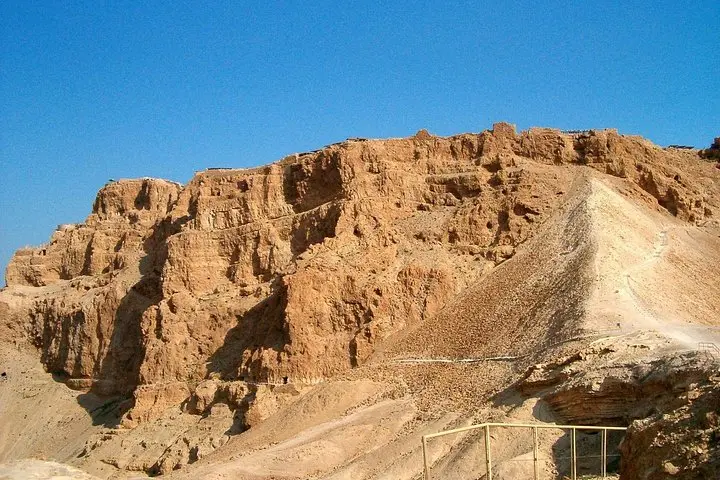
You arrive where the Judean Desert drops away in wide, stony folds and the Dead Sea glints like a cooled metal sheet below. The road eases you through baked creases of canyon and salt flats; at Masada the world opens into a harsh, quiet theater where wind shapes sand and stone.
Verified experiences and guided adventures in the surrounding area.
Operated by Yossi Kally · Masada, Southern District
You arrive where the Judean Desert drops away in wide, stony folds and the Dead Sea glints like a cooled metal sheet below. The road eases you through baked creases of canyon and salt flats; at Masada the world opens into a harsh, quiet theater where wind shapes sand and stone.
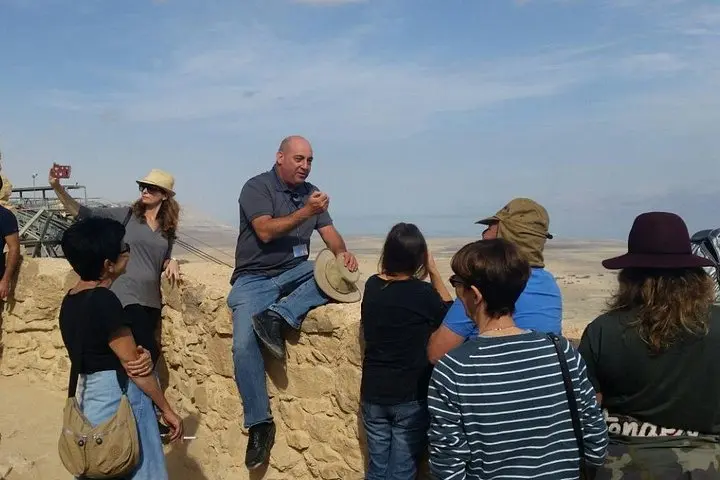
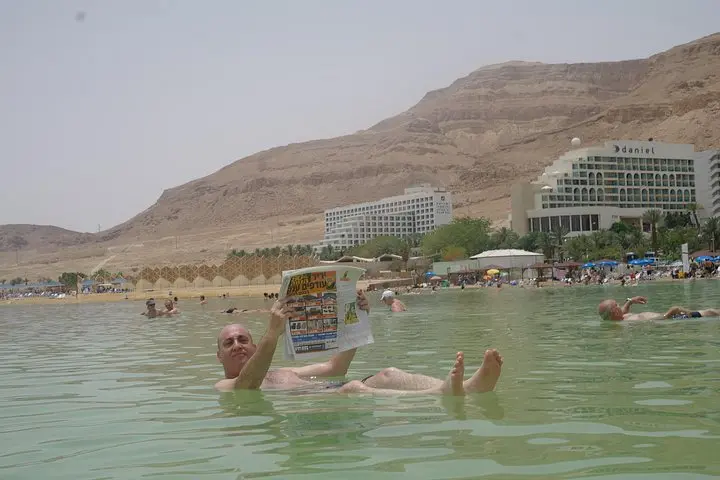
Masada was Herod the Great’s riverside palace-turned-fortress and later the site of the last stand in the Jewish Revolt (73–74 CE). The plateau’s steep western cliff and the surviving palace walls illustrate Roman siege engineering and Herodian luxury alike. Geologically the Dead Sea is the lowest exposed land on Earth and one of the saltiest bodies of water; its buoyant waters and mineral mud long attracted medicinal curiosity and local economic use.
Practicalities are straightforward: most tours use the Masada cable car for the ascent (or offer the Snake Path for a steep 45–90 minute climb), include a guided walk among ruins, and stop at a Dead Sea resort area for floating and rinsing. Expect intense sun, hot desert winds in summer, and cool nights in winter. Bring a swimsuit and biodegradable sunscreen, plan showers after floating (salt is corrosive), and allow an all-day schedule—transport times from Haifa can be long. Respect the archaeological site: stay on marked paths and pack out trash. Timed correctly—early morning at Masada or late afternoon at the shoreline—the day rewards with stark views, tactile history, and the odd, impossible feeling of floating above 400 meters below sea level.
You can float easily due to high salinity, but avoid submerging your head; open cuts will sting—shower immediately afterwards to remove salt.
Many private tours include Masada admission and the cable car; confirm with the operator before booking to avoid unexpected fees.
The plateau walk is short but involves uneven stone surfaces and stairs; the Snake Path ascent is strenuous and not recommended in extreme heat.
Most visited beaches and resort areas provide rinse showers and changing facilities—bring flip-flops for the shore and toiletries for a thorough shower.
Yossi Kally operates guided outdoor trips and adventures with an emphasis on safety, stewardship, and memorable experiences.
You arrive where the Judean Desert drops away in wide, stony folds and the Dead Sea glints like a cooled metal sheet below. The road eases you through baked creases of canyon and salt flats; at Masada the world opens into a harsh, quiet theater where wind shapes sand and stone.
You arrive where the Judean Desert drops away in wide, stony folds and the Dead Sea glints like a cooled metal sheet below. The road eases you through baked creases of canyon and salt flats; at Masada the world opens into a harsh, quiet theater where wind shapes sand and stone.
Masada was Herod the Great’s riverside palace-turned-fortress and later the site of the last stand in the Jewish Revolt (73–74 CE). The plateau’s steep western cliff and the surviving palace walls illustrate Roman siege engineering and Herodian luxury alike. Geologically the Dead Sea is the lowest exposed land on Earth and one of the saltiest bodies of water; its buoyant waters and mineral mud long attracted medicinal curiosity and local economic use.
Practicalities are straightforward: most tours use the Masada cable car for the ascent (or offer the Snake Path for a steep 45–90 minute climb), include a guided walk among ruins, and stop at a Dead Sea resort area for floating and rinsing. Expect intense sun, hot desert winds in summer, and cool nights in winter. Bring a swimsuit and biodegradable sunscreen, plan showers after floating (salt is corrosive), and allow an all-day schedule—transport times from Haifa can be long. Respect the archaeological site: stay on marked paths and pack out trash. Timed correctly—early morning at Masada or late afternoon at the shoreline—the day rewards with stark views, tactile history, and the odd, impossible feeling of floating above 400 meters below sea level.