THE ADVENTURE COLLECTIVE® · Independent discovery and booking for outdoor travel

Spend a full day exploring Nikko’s UNESCO shrines, volcanic lake, and thunderous waterfalls on a private tour. This guided route pairs ornate Edo-period architecture with dramatic mountain scenery and easy walks between highlights.
Spend a full day exploring Nikko’s UNESCO shrines, volcanic lake, and thunderous waterfalls on a private tour. This guided route pairs ornate Edo-period architecture with dramatic mountain scenery and easy walks between highlights.
You arrive in Nikko with the air cooling as the road climbs out of the Kanto plain; cedars crowd the shoulder of the lane and the path through the shrine precinct seems to breathe around you. The gilded gates of Tōshō-gū flash against green trunks, and downstream the Kegon falls thunders as if daring you to come closer.
Verified experiences and guided adventures in the surrounding area.
Operated by Nihon Shine Tours · Nikkō, Tochigi
You arrive in Nikko with the air cooling as the road climbs out of the Kanto plain; cedars crowd the shoulder of the lane and the path through the shrine precinct seems to breathe around you. The gilded gates of Tōshō-gū flash against green trunks, and downstream the Kegon falls thunders as if daring you to come closer.
Nikko's cluster of shrines and temples dates to the Heian and Edo periods and centers on Tokugawa Ieyasu's mausoleum. The geology here is volcanic—Lake Chūzenji sits in a caldera formed tens of thousands of years ago—and steep river channels carved by meltwater create the dramatic cliffs and waterfalls. Culturally, Nikko evolved as both a political mausoleum and a mountain pilgrimage, blending Shinto ritual with Tendai and Shingon Buddhist practices.
Local life mixes onsen hospitality with small craft shops serving yuba (tofu-skin) and cedar souvenirs. Off the main circuit, narrow lanes lead to quiet temple gardens and the Kanmangafuchi Abyss, where river spray frames mossy stones.
Practical guidance: this private day runs most of the day and includes door-to-door transport—expect stairs at shrine complexes and short walks between sites. Cash is useful for small admissions and shrine offerings; many spots have limited card acceptance. Bring layered rain protection and sturdy walking shoes: weather on the uplands shifts quickly and the best light at Kegon and Akechidaira hits early or late afternoon. If you prefer fewer crowds, request an early start to beat tour buses. Respect religious spaces—photography rules vary—and leave no trace in the national park areas.
This private day tour typically lasts most of the day (about 8–10 hours) and includes private transport; museum or elevator admissions are usually paid on site unless noted.
Many park areas and some temple grounds provide wheelchair access, but expect stairs at older shrine buildings and some observation points—check specific sites ahead.
Late spring and autumn offer stable weather and color—autumn foliage is especially popular; early starts help avoid crowds year-round.
Private tours commonly offer English-speaking guides; confirm language preference at booking to ensure availability.
Nihon Shine Tours operates guided outdoor trips and adventures with an emphasis on safety, stewardship, and memorable experiences.
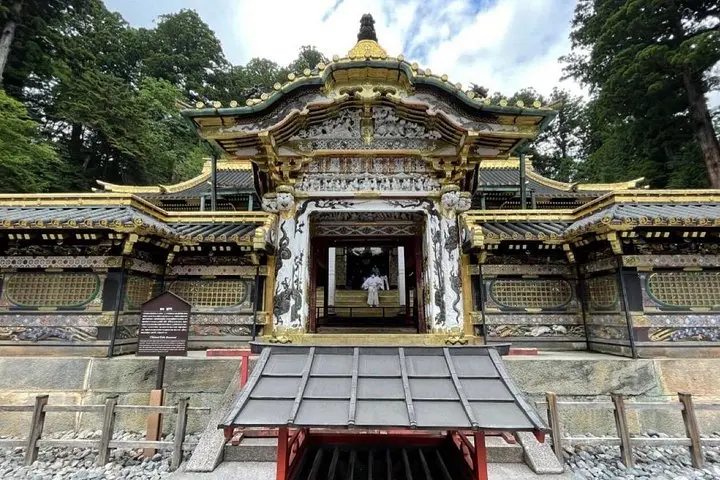
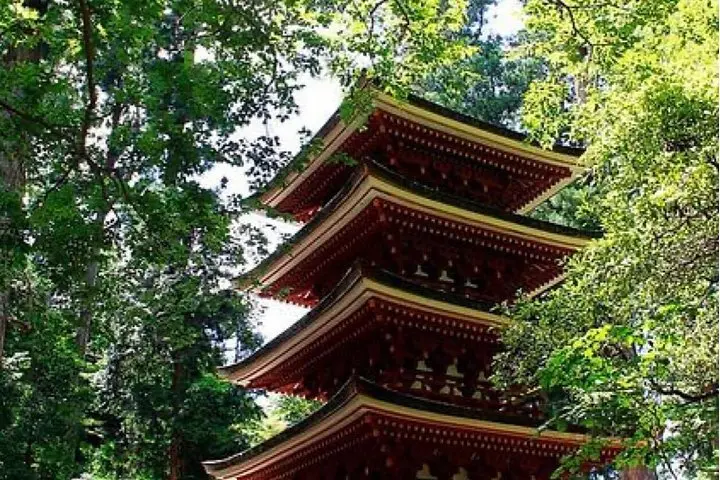
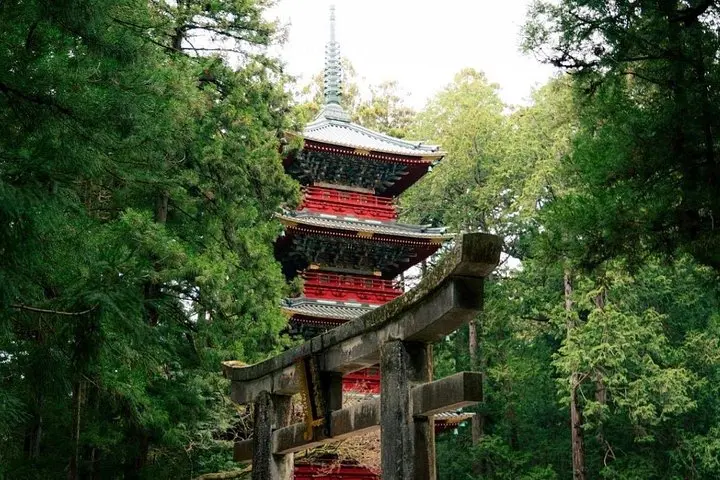
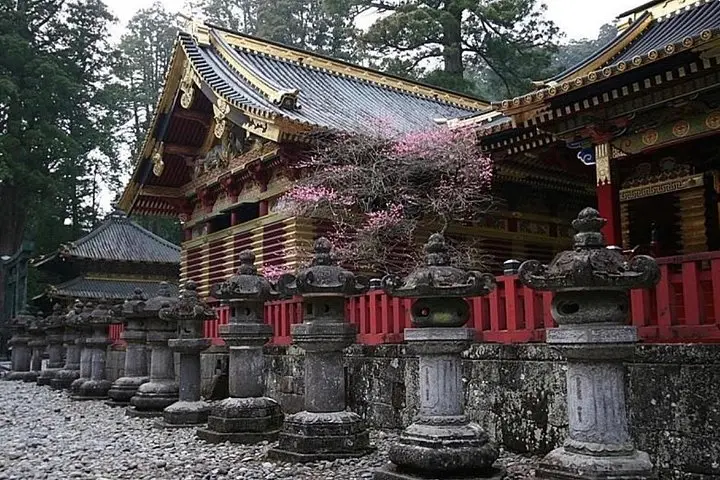
You arrive in Nikko with the air cooling as the road climbs out of the Kanto plain; cedars crowd the shoulder of the lane and the path through the shrine precinct seems to breathe around you. The gilded gates of Tōshō-gū flash against green trunks, and downstream the Kegon falls thunders as if daring you to come closer.
You arrive in Nikko with the air cooling as the road climbs out of the Kanto plain; cedars crowd the shoulder of the lane and the path through the shrine precinct seems to breathe around you. The gilded gates of Tōshō-gū flash against green trunks, and downstream the Kegon falls thunders as if daring you to come closer.
Nikko's cluster of shrines and temples dates to the Heian and Edo periods and centers on Tokugawa Ieyasu's mausoleum. The geology here is volcanic—Lake Chūzenji sits in a caldera formed tens of thousands of years ago—and steep river channels carved by meltwater create the dramatic cliffs and waterfalls. Culturally, Nikko evolved as both a political mausoleum and a mountain pilgrimage, blending Shinto ritual with Tendai and Shingon Buddhist practices.
Local life mixes onsen hospitality with small craft shops serving yuba (tofu-skin) and cedar souvenirs. Off the main circuit, narrow lanes lead to quiet temple gardens and the Kanmangafuchi Abyss, where river spray frames mossy stones.
Practical guidance: this private day runs most of the day and includes door-to-door transport—expect stairs at shrine complexes and short walks between sites. Cash is useful for small admissions and shrine offerings; many spots have limited card acceptance. Bring layered rain protection and sturdy walking shoes: weather on the uplands shifts quickly and the best light at Kegon and Akechidaira hits early or late afternoon. If you prefer fewer crowds, request an early start to beat tour buses. Respect religious spaces—photography rules vary—and leave no trace in the national park areas.