THE ADVENTURE COLLECTIVE® · Independent discovery and booking for outdoor travel

Explore Roman Salamis, the walled medieval city of Famagusta and the haunting Varosha ghost town on a compact private day tour from Protaras. Expect archaeological highlights, Gothic architecture and a passport checkpoint on the return trip.
Explore Roman Salamis, the walled medieval city of Famagusta and the haunting Varosha ghost town on a compact private day tour from Protaras. Expect archaeological highlights, Gothic architecture and a passport checkpoint on the return trip.
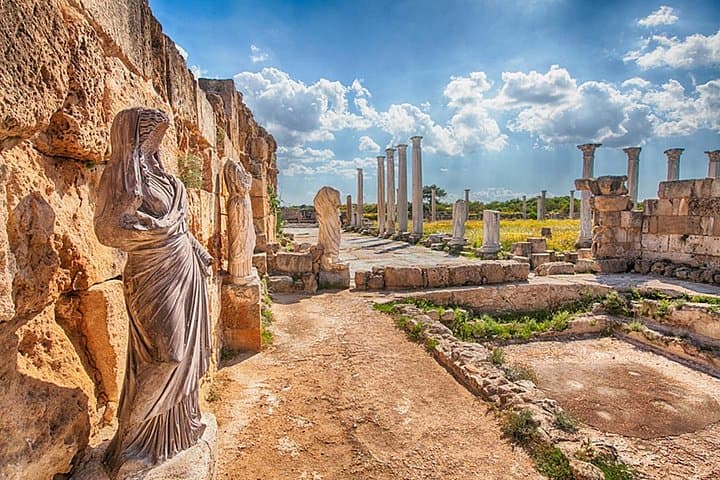
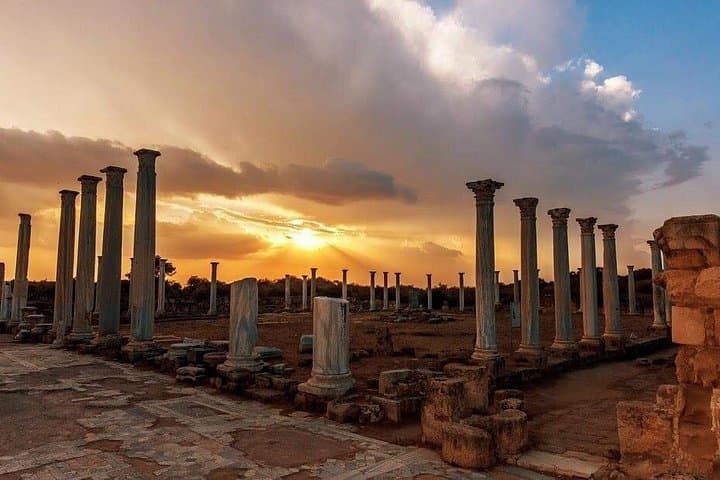
You step out of your car and the coast opens — low scrub, a scatter of stone, and the first columns of Salamis daring you to walk their long shadow.
Verified experiences and guided adventures in the surrounding area.
Operated by North Cyprus Tours · Famagusta, Famagusta District
You step out of your car and the coast opens — low scrub, a scatter of stone, and the first columns of Salamis daring you to walk their long shadow.
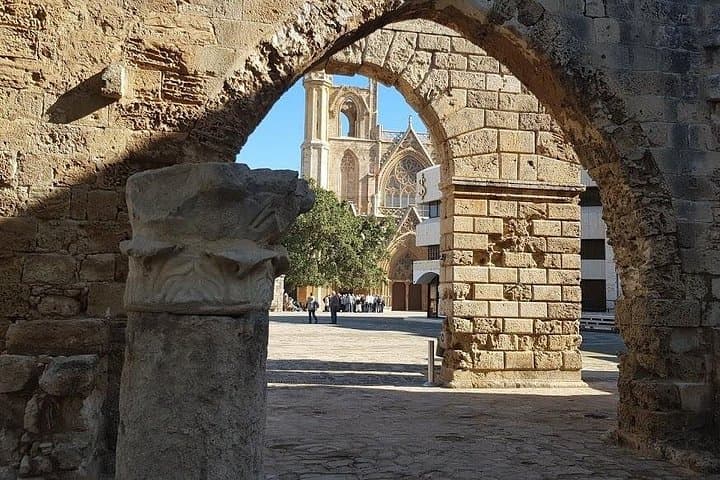
This private 5–6 hour loop from Protaras threads Roman ruins, Gothic arches and a modern political border into one compact day. Start among Salamis’ excavated bathhouses, gymnasium and theatre where exposed mosaic floors and gladiator galleries trace the city’s Roman and Hellenistic past. A short drive brings you to Famagusta’s walled medieval center: St. Nicholas Cathedral’s pointed arches (converted to a mosque in Ottoman times) and the ramparts that once guarded trade and war.
The tour pauses at Varosha — the “ghost town” abandoned in 1974 — a striking, contested reminder of Cyprus’s recent history; checkpoints require passports and respectful distance. Bellapais Abbey, higher up, offers calmer ruins and a view toward Kyrenia harbor across the coastal plain.
Geology here is coastal limestone and alluvial plains; winds shape low dunes and salt-tolerant vegetation that frame seaside ruins. The cultural mix — Greek, Roman, Venetian, Ottoman — is visible in stone, street plan and place names.
Practical guidance: wear sturdy closed-toe shoes for uneven ruins, carry sunscreen and a refillable water bottle, and keep your passport handy for the checkpoint. Expect light walking with several short stops; bring a camera and allow time for traffic at border crossings. Guides typically handle admissions and timing, letting you focus on the ruins and the stories they keep.
Most departures include round-trip transfer from selected Protaras hotels; confirm your pickup at booking.
Yes — a current valid passport is required for the crossing at the checkpoint and for entry to areas in the north.
Guides typically handle admissions for the itinerary sites noted, but confirm at booking if specific fees are covered.
Infants in strollers are accommodated, but many archaeological sites have uneven terrain and limited wheelchair access—check accessibility details in advance.
North Cyprus Tours operates guided outdoor trips and adventures with an emphasis on safety, stewardship, and memorable experiences.

You step out of your car and the coast opens — low scrub, a scatter of stone, and the first columns of Salamis daring you to walk their long shadow.
You step out of your car and the coast opens — low scrub, a scatter of stone, and the first columns of Salamis daring you to walk their long shadow.
This private 5–6 hour loop from Protaras threads Roman ruins, Gothic arches and a modern political border into one compact day. Start among Salamis’ excavated bathhouses, gymnasium and theatre where exposed mosaic floors and gladiator galleries trace the city’s Roman and Hellenistic past. A short drive brings you to Famagusta’s walled medieval center: St. Nicholas Cathedral’s pointed arches (converted to a mosque in Ottoman times) and the ramparts that once guarded trade and war.
The tour pauses at Varosha — the “ghost town” abandoned in 1974 — a striking, contested reminder of Cyprus’s recent history; checkpoints require passports and respectful distance. Bellapais Abbey, higher up, offers calmer ruins and a view toward Kyrenia harbor across the coastal plain.
Geology here is coastal limestone and alluvial plains; winds shape low dunes and salt-tolerant vegetation that frame seaside ruins. The cultural mix — Greek, Roman, Venetian, Ottoman — is visible in stone, street plan and place names.
Practical guidance: wear sturdy closed-toe shoes for uneven ruins, carry sunscreen and a refillable water bottle, and keep your passport handy for the checkpoint. Expect light walking with several short stops; bring a camera and allow time for traffic at border crossings. Guides typically handle admissions and timing, letting you focus on the ruins and the stories they keep.