THE ADVENTURE COLLECTIVE® · Independent discovery and booking for outdoor travel

Step into recreated Nile-side life and watch ancient crafts and rituals brought to life at the Pharaonic Village. This private day tour pairs immersive living-history scenes with practical access and a local lunch.
Step into recreated Nile-side life and watch ancient crafts and rituals brought to life at the Pharaonic Village. This private day tour pairs immersive living-history scenes with practical access and a local lunch.
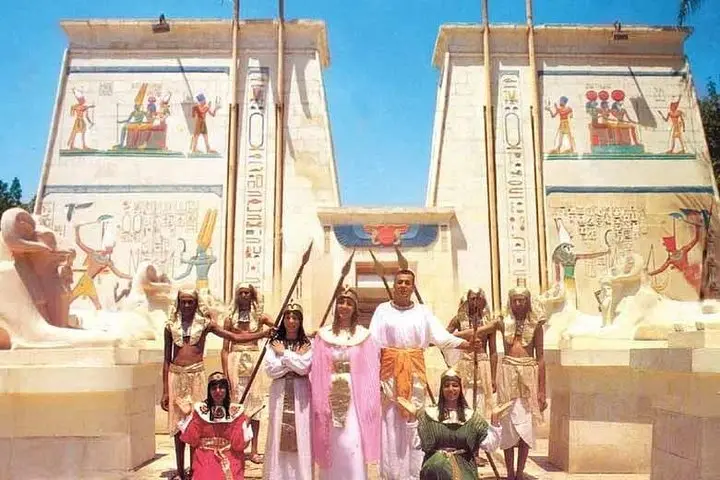
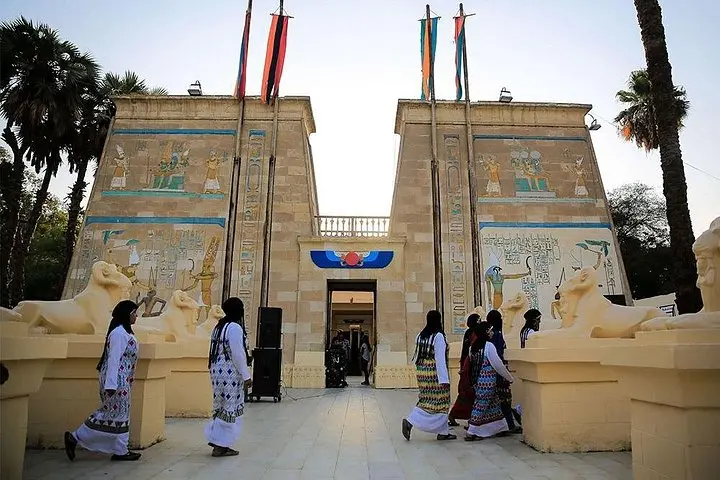
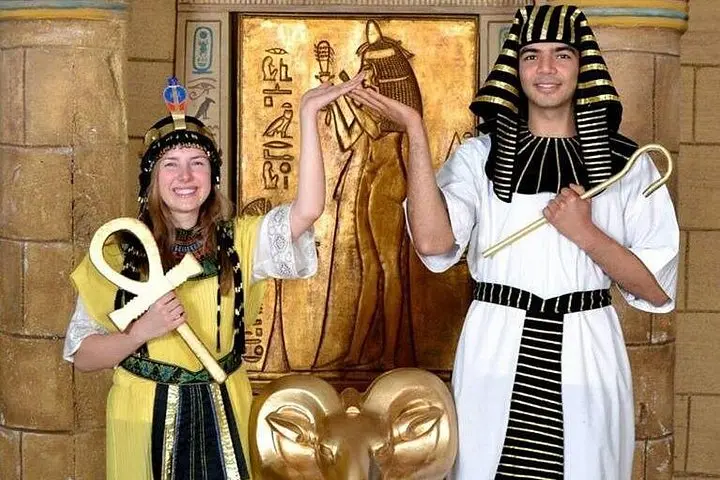
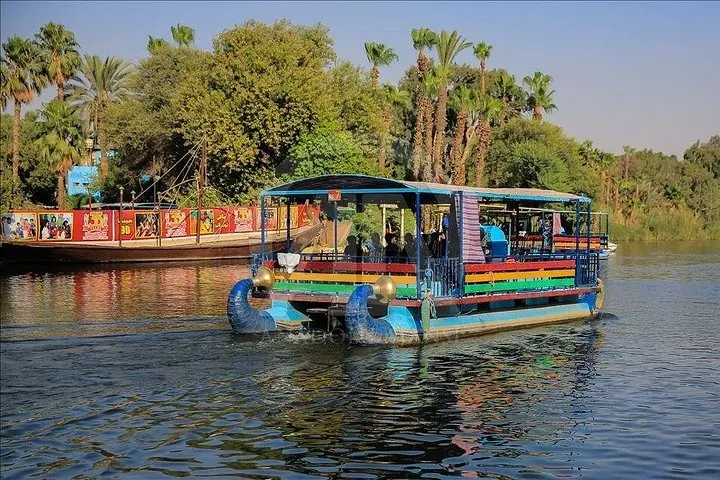
You step off the air-conditioned minivan and the first thing you notice is the gentle motion of narrow canals that circle the island, as if the Nile itself is guiding you back in time. Costumed figures move with purpose—farmers tending small plots, potters shaping clay, scribes composing hieroglyphs—and the small reconstructions and waterways make the past feel immediate rather than museum-quiet.
Verified experiences and guided adventures in the surrounding area.
Operated by Koki Egypt Travel · Cairo, Cairo
You step off the air-conditioned minivan and the first thing you notice is the gentle motion of narrow canals that circle the island, as if the Nile itself is guiding you back in time. Costumed figures move with purpose—farmers tending small plots, potters shaping clay, scribes composing hieroglyphs—and the small reconstructions and waterways make the past feel immediate rather than museum-quiet.
The Pharaonic Village stages daily life from the Old Kingdom through later periods, using scaled houses, working demonstrations and scripted scenes to explain irrigation, agriculture and social roles. The site was conceived in the late 20th century as an educational attraction; its displays emphasize practical technologies—canal-fed fields, reed boats—and social customs over grand architectural replication.
Culturally, the visit sits between performance and living-history: expect actors, recreated domestic interiors and short interpretive shows rather than original artifacts. Geologically you’re still in the Nile floodplain—low, alluvial ground that allowed ancient settlements to thrive and explains why canals are central to the presentation here.
Practical guidance: the standard private visit runs about five hours including hotel pickup and a local lunch. Wear comfortable shoes for short walks on mixed paths and bring sun protection—shaded areas exist but much of the village is exposed. Cameras are allowed; ask before photographing actors in close-up. The program is family-friendly and accessible for most fitness levels, though uneven surfaces and steps are common. Plan transfers with your guide to avoid Cairo traffic peaks and allow time afterward for a brief visit to nearby Cairo neighborhoods or museums.
The full private tour, including hotel pickup, the Pharaonic Village visit and lunch, runs about five hours.
Entry fees and a local lunch are included; beverages at lunch are typically not covered.
Yes—scenes and demonstrations are designed to be family-friendly, though some performances may be loud or involve actors in character.
No—the village uses replicas, reconstructions and live demonstrations to illustrate ancient Egyptian life rather than display original archaeological objects.
Koki Egypt Travel operates guided outdoor trips and adventures with an emphasis on safety, stewardship, and memorable experiences.
You step off the air-conditioned minivan and the first thing you notice is the gentle motion of narrow canals that circle the island, as if the Nile itself is guiding you back in time. Costumed figures move with purpose—farmers tending small plots, potters shaping clay, scribes composing hieroglyphs—and the small reconstructions and waterways make the past feel immediate rather than museum-quiet.
You step off the air-conditioned minivan and the first thing you notice is the gentle motion of narrow canals that circle the island, as if the Nile itself is guiding you back in time. Costumed figures move with purpose—farmers tending small plots, potters shaping clay, scribes composing hieroglyphs—and the small reconstructions and waterways make the past feel immediate rather than museum-quiet.
The Pharaonic Village stages daily life from the Old Kingdom through later periods, using scaled houses, working demonstrations and scripted scenes to explain irrigation, agriculture and social roles. The site was conceived in the late 20th century as an educational attraction; its displays emphasize practical technologies—canal-fed fields, reed boats—and social customs over grand architectural replication.
Culturally, the visit sits between performance and living-history: expect actors, recreated domestic interiors and short interpretive shows rather than original artifacts. Geologically you’re still in the Nile floodplain—low, alluvial ground that allowed ancient settlements to thrive and explains why canals are central to the presentation here.
Practical guidance: the standard private visit runs about five hours including hotel pickup and a local lunch. Wear comfortable shoes for short walks on mixed paths and bring sun protection—shaded areas exist but much of the village is exposed. Cameras are allowed; ask before photographing actors in close-up. The program is family-friendly and accessible for most fitness levels, though uneven surfaces and steps are common. Plan transfers with your guide to avoid Cairo traffic peaks and allow time afterward for a brief visit to nearby Cairo neighborhoods or museums.