THE ADVENTURE COLLECTIVE® · Independent discovery and booking for outdoor travel

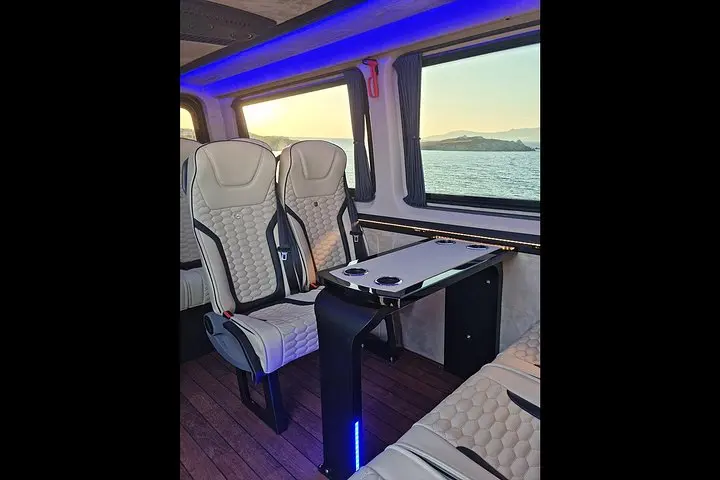
A private VIP minibus takes you from Athens to Meteora in a single day—four hours of scenic driving each way to reach dramatic sandstone pillars topped by ancient monasteries. Expect short hikes, steep stairs, Byzantine art and sweeping viewpoints.
A private VIP minibus takes you from Athens to Meteora in a single day—four hours of scenic driving each way to reach dramatic sandstone pillars topped by ancient monasteries. Expect short hikes, steep stairs, Byzantine art and sweeping viewpoints.
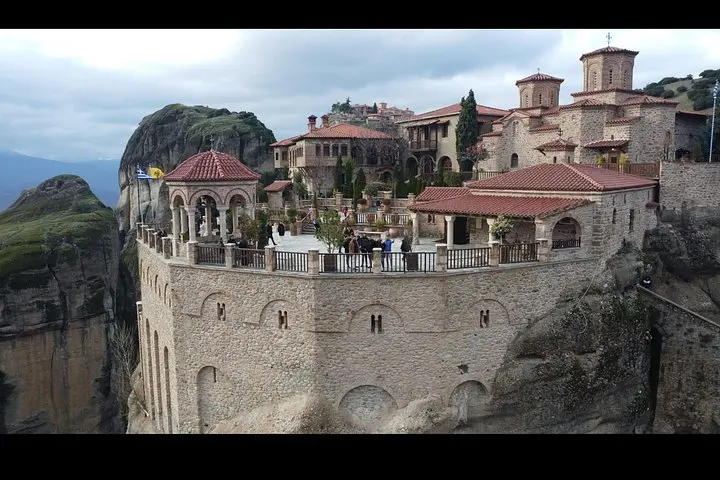
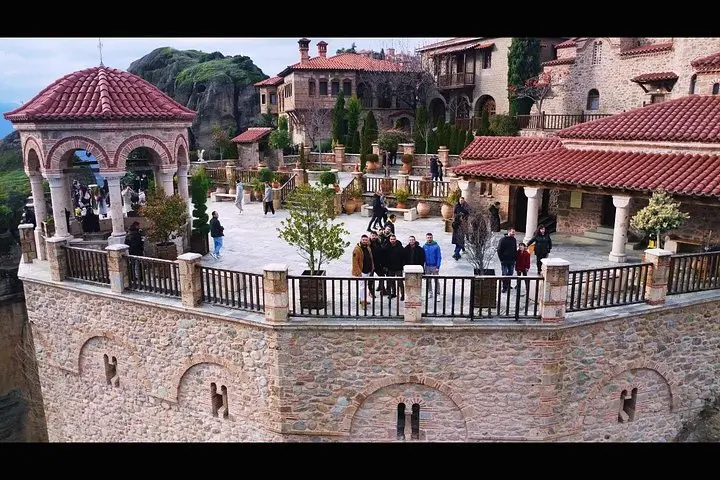
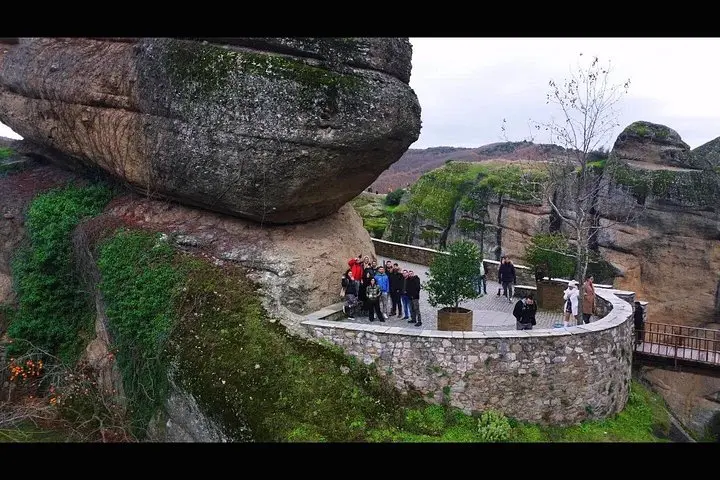
You leave Athens in the cool light before the city fully wakes, the VIP minibus smoothing out the highway while your guide points to changing hills. Hour after hour the urban grid gives way to farmland; then, suddenly, a forest of stone rises—vertical sandstone pillars puncturing the sky, monasteries perched like rooms in the clouds.
Verified experiences and guided adventures in the surrounding area.
Operated by SZS Mykonos Transfer · Kalambaka, Thessaly
You leave Athens in the cool light before the city fully wakes, the VIP minibus smoothing out the highway while your guide points to changing hills. Hour after hour the urban grid gives way to farmland; then, suddenly, a forest of stone rises—vertical sandstone pillars puncturing the sky, monasteries perched like rooms in the clouds.
Meteora’s cliffs are the product of ancient rivers and tectonic uplift; over millions of years sandstone and conglomerate eroded into the towering columns you now see. Monastic life arrived here in the 11th–14th centuries, when hermit monks pulled themselves up by rope and ladder to build sanctuaries. The six functioning monasteries you visit preserve Byzantine frescoes, wooden iconostases and a hard-won solitude.
Kastraki and Kalambaka sit at the rocks’ feet—low-key villages where tavernas serve local lamb, honey and walnut pies, and artisans sell icons and beeswax candles. Culture here feels deliberate and unhurried: chapel bells mark time more than clocks.
Practical guidance: plan for an 8‑hour day (about 4 hours driving round trip). Expect short walks and steep stone staircases to reach monastery terraces—comfortable shoes and a light daypack are essential. Respect dress codes (shoulders and knees covered) and note that some monasteries charge small entrance fees and close on specific weekdays. Bring water, a windproof layer (the ridges get breezy) and a camera with a wide lens for expansive views. If you prefer a quieter visit, ask to arrive at the first monastery at opening time; the return to Athens typically begins mid‑afternoon.
Driving time is about 3.5–4 hours each way, so the trip is roughly an 8‑hour round trip including site visits.
Admissions are typically not included; small entrance fees apply and opening days vary by monastery.
Yes—this private tour is family-friendly, but note steep stairs and strict dress codes for entering monasteries.
Most monasteries have steep steps and limited accessibility; contact the operator for tailored arrangements or to visit viewpoints accessible by vehicle.
SZS Mykonos Transfer operates guided outdoor trips and adventures with an emphasis on safety, stewardship, and memorable experiences.
You leave Athens in the cool light before the city fully wakes, the VIP minibus smoothing out the highway while your guide points to changing hills. Hour after hour the urban grid gives way to farmland; then, suddenly, a forest of stone rises—vertical sandstone pillars puncturing the sky, monasteries perched like rooms in the clouds.
You leave Athens in the cool light before the city fully wakes, the VIP minibus smoothing out the highway while your guide points to changing hills. Hour after hour the urban grid gives way to farmland; then, suddenly, a forest of stone rises—vertical sandstone pillars puncturing the sky, monasteries perched like rooms in the clouds.
Meteora’s cliffs are the product of ancient rivers and tectonic uplift; over millions of years sandstone and conglomerate eroded into the towering columns you now see. Monastic life arrived here in the 11th–14th centuries, when hermit monks pulled themselves up by rope and ladder to build sanctuaries. The six functioning monasteries you visit preserve Byzantine frescoes, wooden iconostases and a hard-won solitude.
Kastraki and Kalambaka sit at the rocks’ feet—low-key villages where tavernas serve local lamb, honey and walnut pies, and artisans sell icons and beeswax candles. Culture here feels deliberate and unhurried: chapel bells mark time more than clocks.
Practical guidance: plan for an 8‑hour day (about 4 hours driving round trip). Expect short walks and steep stone staircases to reach monastery terraces—comfortable shoes and a light daypack are essential. Respect dress codes (shoulders and knees covered) and note that some monasteries charge small entrance fees and close on specific weekdays. Bring water, a windproof layer (the ridges get breezy) and a camera with a wide lens for expansive views. If you prefer a quieter visit, ask to arrive at the first monastery at opening time; the return to Athens typically begins mid‑afternoon.