THE ADVENTURE COLLECTIVE® · Independent discovery and booking for outdoor travel

From El Sokhna Port, a private Egyptologist escorts you through the Giza Pyramids, the Sphinx, and Sakkara’s Step Pyramid with a camel trek and lunch—perfect for travelers wanting a concentrated, expertly guided day in ancient Egypt.
From El Sokhna Port, a private Egyptologist escorts you through the Giza Pyramids, the Sphinx, and Sakkara’s Step Pyramid with a camel trek and lunch—perfect for travelers wanting a concentrated, expertly guided day in ancient Egypt.
The day opens on a low, sandy horizon as your private vehicle eases away from El Sokhna Port, the Gulf of Suez shrinking behind you. Wind across the desert lifts a fine dust that seems to sweep the centuries forward; by the time the Giza Plateau appears, stone looms like a still-moving force, and the Sphinx stares back with an ancient patience.
Verified experiences and guided adventures in the surrounding area.
Operated by Sun Pyramids Tours · Giza, Giza Governorate
The day opens on a low, sandy horizon as your private vehicle eases away from El Sokhna Port, the Gulf of Suez shrinking behind you. Wind across the desert lifts a fine dust that seems to sweep the centuries forward; by the time the Giza Plateau appears, stone looms like a still-moving force, and the Sphinx stares back with an ancient patience.
This itinerary pairs two chapters of Old Kingdom Egypt. At Giza, three fourth‑dynasty pyramids—Khufu, Khafre and Menkaure—stand on bedrock laid down in the late Eocene, their core blocks quarried and fitted with a precision that still raises engineering questions. Sakkara’s Step Pyramid of Djoser pre-dates them: a 27th-century BCE experiment in monumental stone that marked the shift from mudbrick to cut stone. Local culture remains present in everyday rhythms—camel handlers, mosque calls in the distance, and Cairo vendors selling tea and woven textiles during short stops.
Expect a full, roughly 10–12 hour day that alternates short walks across uneven desert surfaces with seated stretches in an air-conditioned vehicle. The camel ride is brief but offers a tactile sense of the desert’s scale—the animals steady, occasionally snorting, as if nudging you onward. Bring sun protection, comfortable shoes, and a small change of cash for restroom facilities and tips. Mornings are cooler and less crowded; late afternoons cast long shadows across the stones and can be the best light for photos. Guides will handle permits and entries, but visitors should be ready to manage trampling heat, narrow interior passages (optional), and persistent vendors. This private tour compresses Egypt’s monumental timeline into a single, instructive day—ancient stone meeting modern logistics on a route designed for discovery.
Yes—this private tour includes entrance fees to the listed sites and all transfers in an air‑conditioned vehicle; the Great Pyramid interior ticket is optional and paid on site.
The camel experience is a short desert trek at Sakkara and is included; rides typically last 10–20 minutes and are suitable for most riders.
The operator lists wheelchair accessibility for transfers, but access across the plateau and into some tombs can be uneven; contact the provider ahead to review specific mobility needs.
Tipping is customary; for a private full‑day tour, many travelers tip the Egyptologist guide and drivers separately and give a smaller tip to camel handlers—small local notes are convenient.
Sun Pyramids Tours operates guided outdoor trips and adventures with an emphasis on safety, stewardship, and memorable experiences.

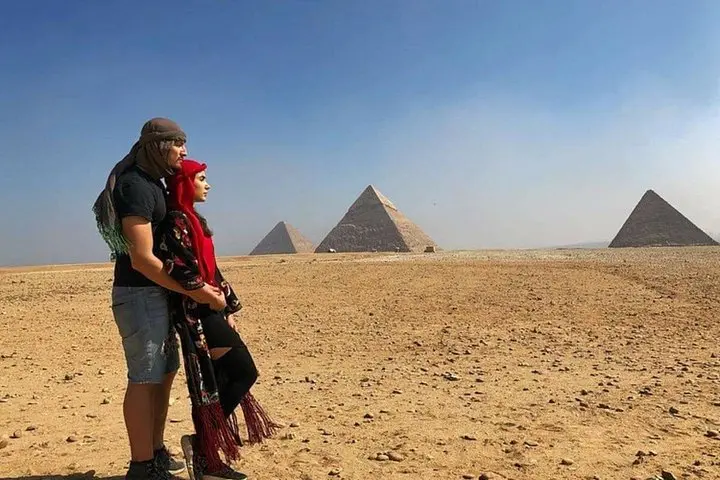

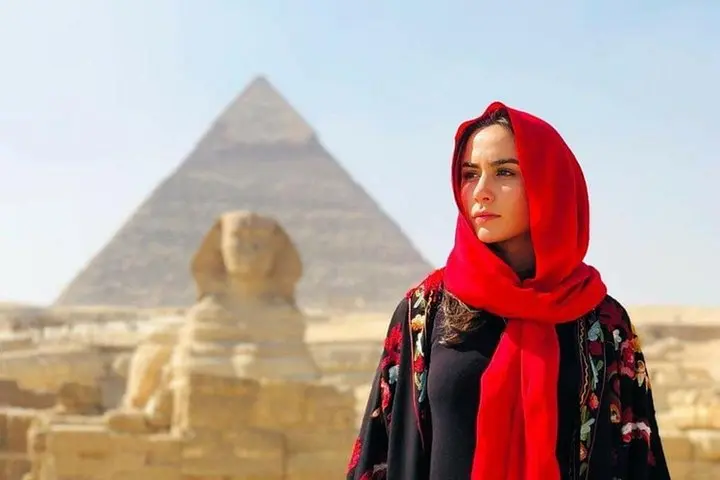
The day opens on a low, sandy horizon as your private vehicle eases away from El Sokhna Port, the Gulf of Suez shrinking behind you. Wind across the desert lifts a fine dust that seems to sweep the centuries forward; by the time the Giza Plateau appears, stone looms like a still-moving force, and the Sphinx stares back with an ancient patience.
The day opens on a low, sandy horizon as your private vehicle eases away from El Sokhna Port, the Gulf of Suez shrinking behind you. Wind across the desert lifts a fine dust that seems to sweep the centuries forward; by the time the Giza Plateau appears, stone looms like a still-moving force, and the Sphinx stares back with an ancient patience.
This itinerary pairs two chapters of Old Kingdom Egypt. At Giza, three fourth‑dynasty pyramids—Khufu, Khafre and Menkaure—stand on bedrock laid down in the late Eocene, their core blocks quarried and fitted with a precision that still raises engineering questions. Sakkara’s Step Pyramid of Djoser pre-dates them: a 27th-century BCE experiment in monumental stone that marked the shift from mudbrick to cut stone. Local culture remains present in everyday rhythms—camel handlers, mosque calls in the distance, and Cairo vendors selling tea and woven textiles during short stops.
Expect a full, roughly 10–12 hour day that alternates short walks across uneven desert surfaces with seated stretches in an air-conditioned vehicle. The camel ride is brief but offers a tactile sense of the desert’s scale—the animals steady, occasionally snorting, as if nudging you onward. Bring sun protection, comfortable shoes, and a small change of cash for restroom facilities and tips. Mornings are cooler and less crowded; late afternoons cast long shadows across the stones and can be the best light for photos. Guides will handle permits and entries, but visitors should be ready to manage trampling heat, narrow interior passages (optional), and persistent vendors. This private tour compresses Egypt’s monumental timeline into a single, instructive day—ancient stone meeting modern logistics on a route designed for discovery.