THE ADVENTURE COLLECTIVE® · Independent discovery and booking for outdoor travel

Travel the Atlantic road from Essaouira to Marrakech in a private, air-conditioned transfer that mixes coastal views with cultural stops. Expect cooperative visits, olive groves, and a flexible 4–8 hour itinerary ideal for small groups.
Travel the Atlantic road from Essaouira to Marrakech in a private, air-conditioned transfer that mixes coastal views with cultural stops. Expect cooperative visits, olive groves, and a flexible 4–8 hour itinerary ideal for small groups.
A low-slung car leaves Essaouira’s Atlantic edge, salt on the air and gulls tracking the road like punctuation. The journey east peels away the windblown coast and meets a patchwork of olive groves, argan trees, and rolling plains; hills fold into view and the engine hum becomes a steady companion.
Verified experiences and guided adventures in the surrounding area.
Operated by HAKIM · Essaouira, Marrakesh-Safi
A low-slung car leaves Essaouira’s Atlantic edge, salt on the air and gulls tracking the road like punctuation. The journey east peels away the windblown coast and meets a patchwork of olive groves, argan trees, and rolling plains; hills fold into view and the engine hum becomes a steady companion.
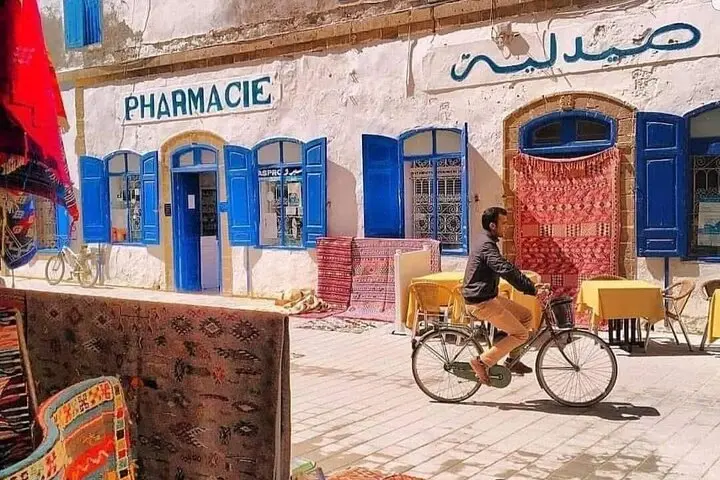
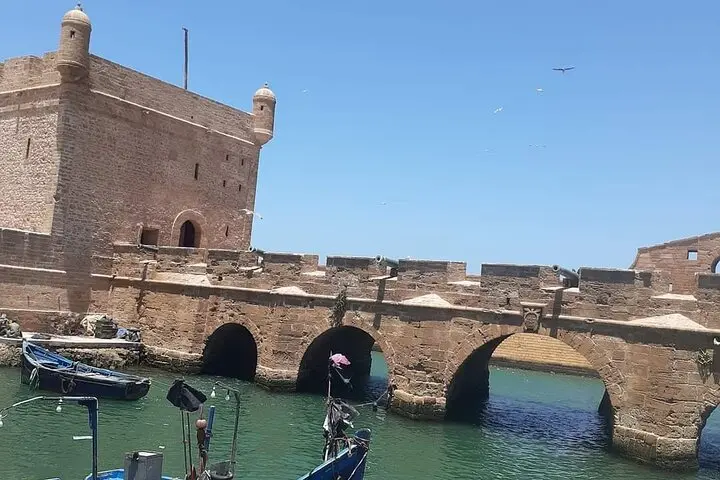
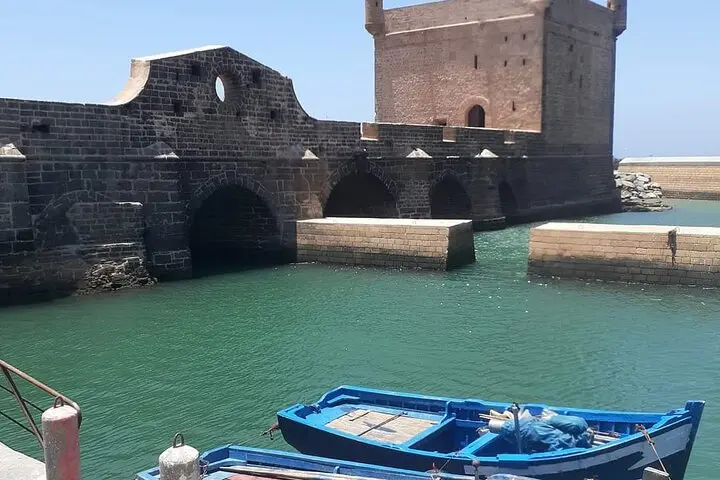
This corridor between Essaouira and Marrakech is both historic route and working landscape. Essaouira’s fortified port—shaped by Portuguese walls and centuries of trade—gives way to the red earth around Marrakech, where ochre clay and sunlight tint the horizon. Along the way, women’s cooperatives press argan by traditional methods and roadside stalls sell small-batch oils and woven goods.
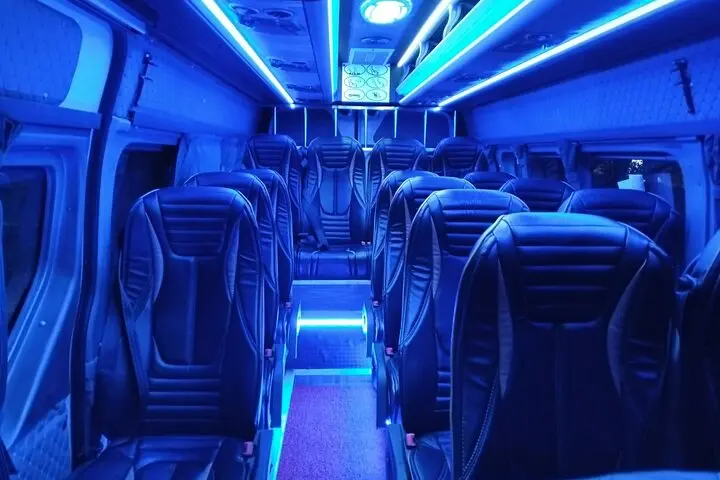
Expect 4–8 hours of travel time, with the provider offering a private, air-conditioned vehicle and a professional driver. Stops are typically short: a cooperative visit, a viewpoint over plains and olive groves, and time to enter Marrakech’s Medina if selected. Roads are paved and generally straightforward, though local traffic increases near both city centers and during harvest seasons.
Practical guidance: travel mid-morning to avoid the harshest sun in summer and reserve extra time for traffic entering Marrakech. Carry cash for small purchases, bring sunscreen and a brimmed hat, and have a light layer for coastal breezes. For families, infant seats are available but infants must sit on laps per the operator. This transfer is low-technical and accessible, but it rewards a relaxed schedule—stop, step down, buy a jar of argan oil, and let the road show its quieter side of Morocco.
The private trip runs approximately 4–8 hours depending on stops, traffic, and whether you choose to enter Marrakech’s Medina.
Many itineraries include a stop at a women’s cooperative where you can observe production and buy products—confirm inclusion when booking.
Yes, the service provides a comfortable, air-conditioned car and a professional driver for door-to-door transfer.
Infant seats are available but infants are required to sit on an adult’s lap per the operator—ask at booking for specifics.
HAKIM operates guided outdoor trips and adventures with an emphasis on safety, stewardship, and memorable experiences.
A low-slung car leaves Essaouira’s Atlantic edge, salt on the air and gulls tracking the road like punctuation. The journey east peels away the windblown coast and meets a patchwork of olive groves, argan trees, and rolling plains; hills fold into view and the engine hum becomes a steady companion.
A low-slung car leaves Essaouira’s Atlantic edge, salt on the air and gulls tracking the road like punctuation. The journey east peels away the windblown coast and meets a patchwork of olive groves, argan trees, and rolling plains; hills fold into view and the engine hum becomes a steady companion.
This corridor between Essaouira and Marrakech is both historic route and working landscape. Essaouira’s fortified port—shaped by Portuguese walls and centuries of trade—gives way to the red earth around Marrakech, where ochre clay and sunlight tint the horizon. Along the way, women’s cooperatives press argan by traditional methods and roadside stalls sell small-batch oils and woven goods.
Expect 4–8 hours of travel time, with the provider offering a private, air-conditioned vehicle and a professional driver. Stops are typically short: a cooperative visit, a viewpoint over plains and olive groves, and time to enter Marrakech’s Medina if selected. Roads are paved and generally straightforward, though local traffic increases near both city centers and during harvest seasons.
Practical guidance: travel mid-morning to avoid the harshest sun in summer and reserve extra time for traffic entering Marrakech. Carry cash for small purchases, bring sunscreen and a brimmed hat, and have a light layer for coastal breezes. For families, infant seats are available but infants must sit on laps per the operator. This transfer is low-technical and accessible, but it rewards a relaxed schedule—stop, step down, buy a jar of argan oil, and let the road show its quieter side of Morocco.