THE ADVENTURE COLLECTIVE® · Independent discovery and booking for outdoor travel

Spend a day exploring Casablanca’s Atlantic edge on a private day trip from Marrakech. Visit the Hassan II Mosque, walk the Corniche at Ain Diab, and browse the Habous Quarter with a local driver-guide.
Spend a day exploring Casablanca’s Atlantic edge on a private day trip from Marrakech. Visit the Hassan II Mosque, walk the Corniche at Ain Diab, and browse the Habous Quarter with a local driver-guide.
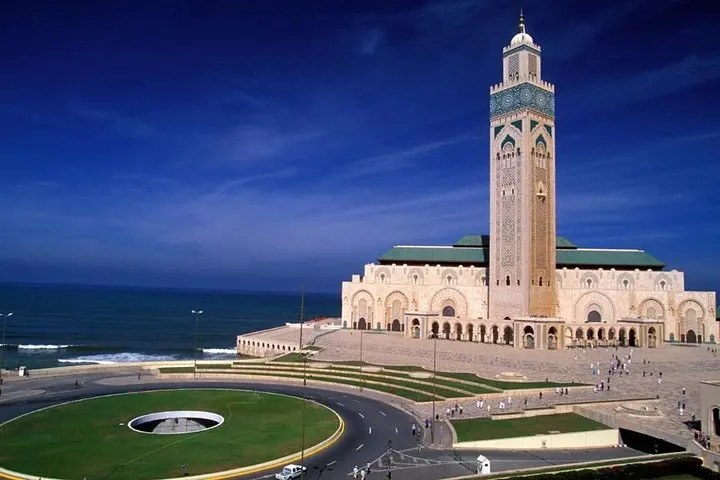
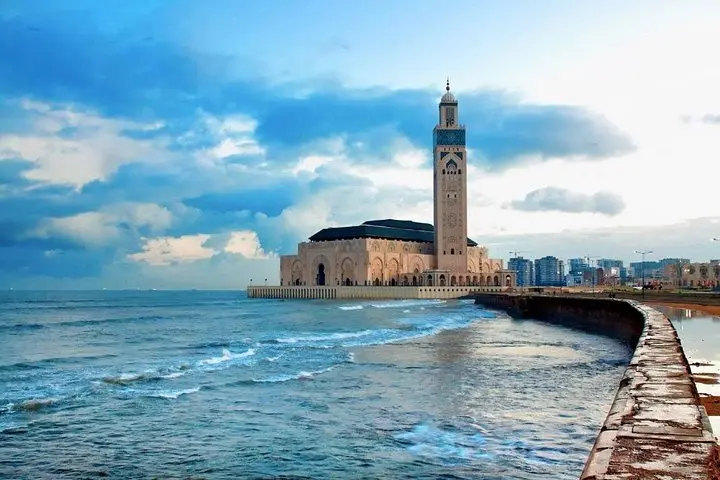
The morning starts on a quiet street in Marrakech as your driver eases the air‑conditioned van onto the highway and the city falls behind. Fields of olive and argan trees slide past the window; the Atlas foothills linger on the horizon before the coastline appears like a pale, wind‑stroked line. By midmorning you’re in Casablanca, where the Atlantic throws spray against the city’s concrete edges and the Hassan II Mosque calls attention with a minaret that seems to point oceanward.
Verified experiences and guided adventures in the surrounding area.
Operated by Starry Morocco Tours · Casablanca, Casablanca-Settat
The morning starts on a quiet street in Marrakech as your driver eases the air‑conditioned van onto the highway and the city falls behind. Fields of olive and argan trees slide past the window; the Atlas foothills linger on the horizon before the coastline appears like a pale, wind‑stroked line. By midmorning you’re in Casablanca, where the Atlantic throws spray against the city’s concrete edges and the Hassan II Mosque calls attention with a minaret that seems to point oceanward.
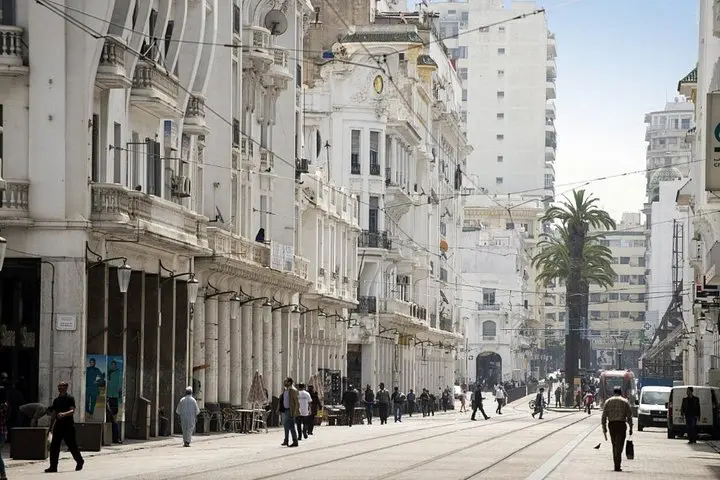
Casablanca is Morocco’s commercial heart—built and rebuilt through French colonial planning, 20th‑century expansion, and rapid modern development. The mosque itself, finished in 1993, sits partly over the sea on engineered platforms; its mosaics, carved plaster, and cedar ceilings recall centuries of Andalusian and Maghrebi craft adapted to a modern metropolis. The Habous Quarter shows a gentler, market‑driven side of the city: spice stalls, brassworkers, and narrow streets shaped by human scale rather than traffic.
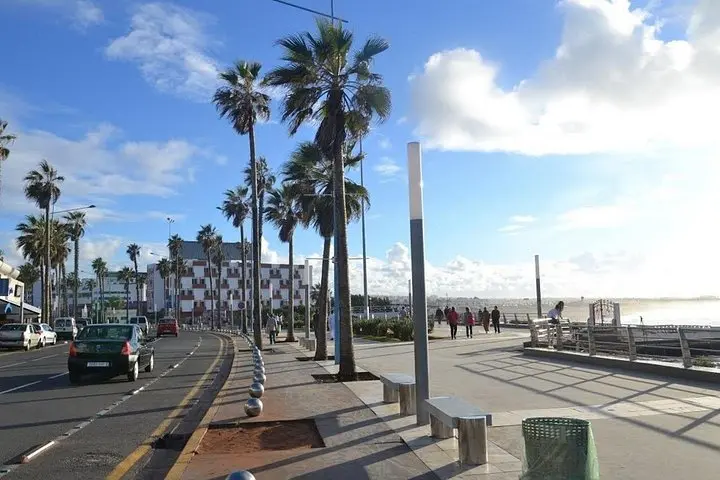
Expect paved promenades at Ain Diab, coastal breezes that demand a light jacket, and urban walking on mixed surfaces—sidewalks, plazas, and market lanes. Practicalities matter: modest dress for mosque entry, comfortable shoes for uneven streets, and a plan for lunch that suits either Moroccan cuisine or lighter international fare. The round‑trip drive is roughly 2.5–3 hours each way; the full excursion runs about 10 hours. Travelers get a concentrated portrait of Casablanca’s contrasts—Atlantic wind pushing at modern façades, traditional crafts persisting in quiet courtyards—and the day delivers both photographic highlights and practical insight for further exploration.
Expect approximately 2.5–3 hours each way depending on traffic; the tour schedules stops to make the day manageable.
Interior access is possible during set visiting hours on guided tours—modest dress is required and some guided tours are only in particular languages, so check availability in advance.
Lunch is typically not included; the itinerary includes a lunch break and your driver can recommend local restaurants across a range of budgets.
The tour notes infant seats are available and is classified as suitable for all fitness levels, but it involves walking and steps—notify the operator of mobility needs at booking.
Starry Morocco Tours operates guided outdoor trips and adventures with an emphasis on safety, stewardship, and memorable experiences.
The morning starts on a quiet street in Marrakech as your driver eases the air‑conditioned van onto the highway and the city falls behind. Fields of olive and argan trees slide past the window; the Atlas foothills linger on the horizon before the coastline appears like a pale, wind‑stroked line. By midmorning you’re in Casablanca, where the Atlantic throws spray against the city’s concrete edges and the Hassan II Mosque calls attention with a minaret that seems to point oceanward.
The morning starts on a quiet street in Marrakech as your driver eases the air‑conditioned van onto the highway and the city falls behind. Fields of olive and argan trees slide past the window; the Atlas foothills linger on the horizon before the coastline appears like a pale, wind‑stroked line. By midmorning you’re in Casablanca, where the Atlantic throws spray against the city’s concrete edges and the Hassan II Mosque calls attention with a minaret that seems to point oceanward.
Casablanca is Morocco’s commercial heart—built and rebuilt through French colonial planning, 20th‑century expansion, and rapid modern development. The mosque itself, finished in 1993, sits partly over the sea on engineered platforms; its mosaics, carved plaster, and cedar ceilings recall centuries of Andalusian and Maghrebi craft adapted to a modern metropolis. The Habous Quarter shows a gentler, market‑driven side of the city: spice stalls, brassworkers, and narrow streets shaped by human scale rather than traffic.
Expect paved promenades at Ain Diab, coastal breezes that demand a light jacket, and urban walking on mixed surfaces—sidewalks, plazas, and market lanes. Practicalities matter: modest dress for mosque entry, comfortable shoes for uneven streets, and a plan for lunch that suits either Moroccan cuisine or lighter international fare. The round‑trip drive is roughly 2.5–3 hours each way; the full excursion runs about 10 hours. Travelers get a concentrated portrait of Casablanca’s contrasts—Atlantic wind pushing at modern façades, traditional crafts persisting in quiet courtyards—and the day delivers both photographic highlights and practical insight for further exploration.