THE ADVENTURE COLLECTIVE® · Independent discovery and booking for outdoor travel

A full-day private transfer from Marrakech to the Atlantic port of Essaouira. See goats in argan trees, visit a women’s argan cooperative, wander the medina, and enjoy fresh seafood at the harbor—ideal for travelers seeking culture, craft, and coastal air in one long day.
A full-day private transfer from Marrakech to the Atlantic port of Essaouira. See goats in argan trees, visit a women’s argan cooperative, wander the medina, and enjoy fresh seafood at the harbor—ideal for travelers seeking culture, craft, and coastal air in one long day.
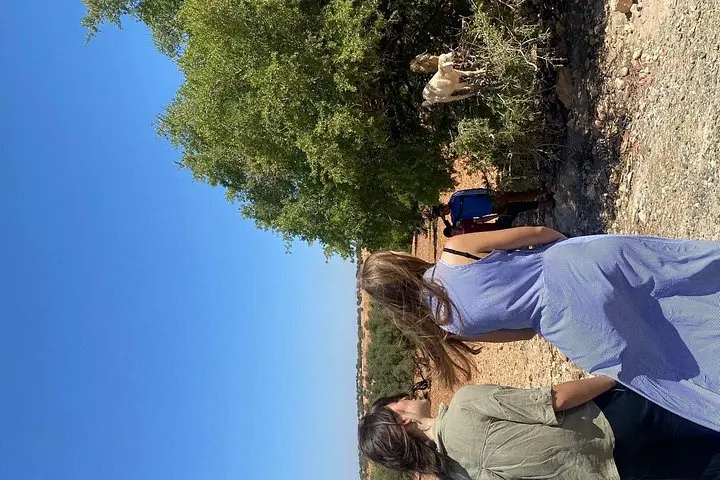
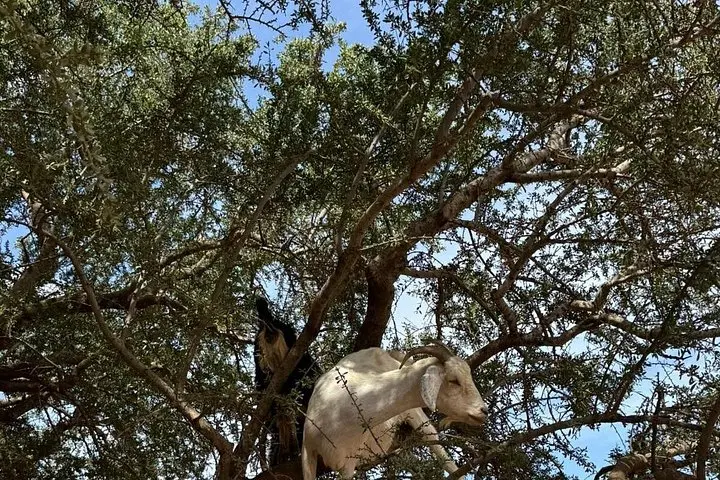
Morning light slices across the Atlas foothills as a small, air-conditioned van peels away from Marrakech and points west toward the Atlantic. By midmorning the land flattens, the scent of thyme and dry scrub gives way to salt and sea breeze, and you’ll likely spot the iconic goats clambering in argan trees—small, sure-footed actors against a sky that leans toward the ocean.
Verified experiences and guided adventures in the surrounding area.
Operated by Taste of Morocco Adventures SARLAU · Essaouira, Marrakesh-Safi
Morning light slices across the Atlas foothills as a small, air-conditioned van peels away from Marrakech and points west toward the Atlantic. By midmorning the land flattens, the scent of thyme and dry scrub gives way to salt and sea breeze, and you’ll likely spot the iconic goats clambering in argan trees—small, sure-footed actors against a sky that leans toward the ocean.
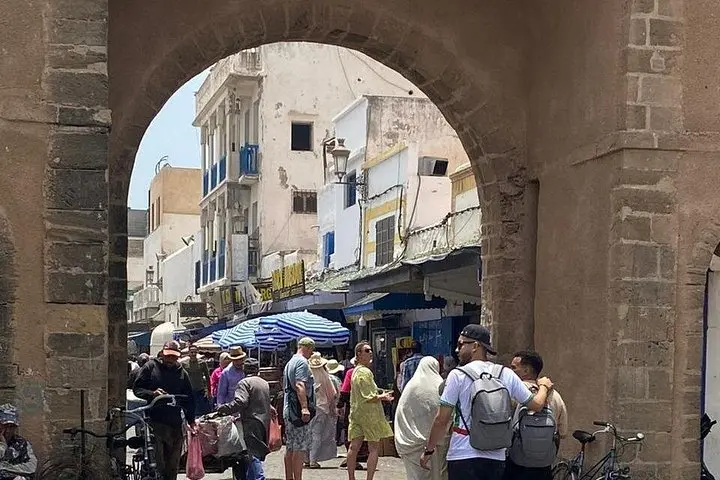
Essaouira, historically Mogador, is an 18th-century fortified port with Portuguese and later French touches; its ochre ramparts and wide harbor speak to centuries of maritime trade and a once-thriving Jewish mercantile community. Geologically the area is a gentle coastal plain where winds sculpt sand and spray, creating conditions for hardy argan woodlands that are now part of Morocco’s cultural landscape. Local craft traditions—silver filigree, carved thuya wood, and hand-pressed argan oil made in women’s cooperatives—shape the medina’s markets.
Practical guidance: expect about 4–5 hours of free time in Essaouira for strolling the Medina, a seafood lunch at the port, and visiting an argan cooperative. Cobblestone streets and narrow alleys mean comfortable, sturdy shoes are non-negotiable; bring a windbreaker—the Atlantic here pushes and tugs. Plan for a 10–12 hour day including round-trip driving time; the tour typically provides door-to-door pickup from Marrakech.
Culturally curious travelers will find relaxed pacing, approachable artisans, and clear chances to support local co-ops. Time your visit for morning or late afternoon light to avoid peak wind and to catch the market at its liveliest.
The drive usually takes about 2.5 to 3 hours each way depending on traffic and stops; plan for a 10–12 hour day including transfers and free time.
Yes—scenic stops along the route often include views of goats in argan trees and a visit to a nearby cooperative explaining traditional argan oil production.
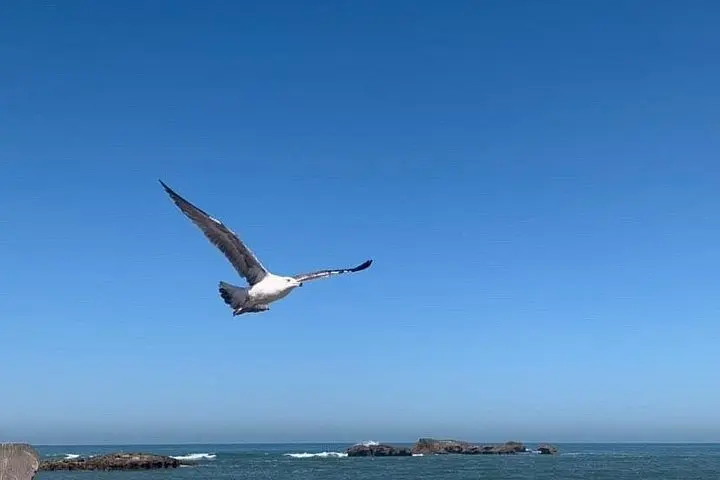
Lunch is typically at a local restaurant by the harbor with fresh fish options; dietary restrictions should be noted at booking so the guide can advise the restaurant.
Many main streets are stroller-friendly but narrow alleys and cobbles limit full accessibility; inquire about pickup and meeting-point options when booking.
Taste of Morocco Adventures SARLAU operates guided outdoor trips and adventures with an emphasis on safety, stewardship, and memorable experiences.
Morning light slices across the Atlas foothills as a small, air-conditioned van peels away from Marrakech and points west toward the Atlantic. By midmorning the land flattens, the scent of thyme and dry scrub gives way to salt and sea breeze, and you’ll likely spot the iconic goats clambering in argan trees—small, sure-footed actors against a sky that leans toward the ocean.
Morning light slices across the Atlas foothills as a small, air-conditioned van peels away from Marrakech and points west toward the Atlantic. By midmorning the land flattens, the scent of thyme and dry scrub gives way to salt and sea breeze, and you’ll likely spot the iconic goats clambering in argan trees—small, sure-footed actors against a sky that leans toward the ocean.
Essaouira, historically Mogador, is an 18th-century fortified port with Portuguese and later French touches; its ochre ramparts and wide harbor speak to centuries of maritime trade and a once-thriving Jewish mercantile community. Geologically the area is a gentle coastal plain where winds sculpt sand and spray, creating conditions for hardy argan woodlands that are now part of Morocco’s cultural landscape. Local craft traditions—silver filigree, carved thuya wood, and hand-pressed argan oil made in women’s cooperatives—shape the medina’s markets.
Practical guidance: expect about 4–5 hours of free time in Essaouira for strolling the Medina, a seafood lunch at the port, and visiting an argan cooperative. Cobblestone streets and narrow alleys mean comfortable, sturdy shoes are non-negotiable; bring a windbreaker—the Atlantic here pushes and tugs. Plan for a 10–12 hour day including round-trip driving time; the tour typically provides door-to-door pickup from Marrakech.
Culturally curious travelers will find relaxed pacing, approachable artisans, and clear chances to support local co-ops. Time your visit for morning or late afternoon light to avoid peak wind and to catch the market at its liveliest.