THE ADVENTURE COLLECTIVE® · Independent discovery and booking for outdoor travel

Escape Paris for a half-day of Provençal light and painterly landscapes: a private drive to Auvers-sur-Oise lets you walk the streets Van Gogh knew while a local English-speaking driver handles logistics. Expect short museum visits, a village walking loop, and rural river views.
Escape Paris for a half-day of Provençal light and painterly landscapes: a private drive to Auvers-sur-Oise lets you walk the streets Van Gogh knew while a local English-speaking driver handles logistics. Expect short museum visits, a village walking loop, and rural river views.
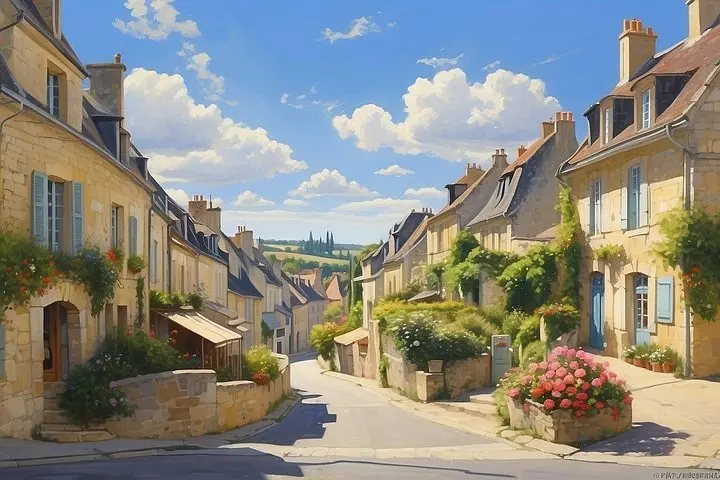
You pull away from Paris and the city’s rhythm softens into rolling cereal fields and the silver thread of the Oise River. Within an hour a small village appears: narrow lanes, low stone houses, and the church steeple that inspired one of Vincent van Gogh’s late paintings. The air here carries the same practical quiet that drew 19th-century landscape painters—clear light, cultivated fields and riverbanks that invite walking.
Verified experiences and guided adventures in the surrounding area.
Operated by Europe Journey - Private Sightseeing Transfers and Day Tours · Auvers-sur-Oise, Île-de-France
You pull away from Paris and the city’s rhythm softens into rolling cereal fields and the silver thread of the Oise River. Within an hour a small village appears: narrow lanes, low stone houses, and the church steeple that inspired one of Vincent van Gogh’s late paintings. The air here carries the same practical quiet that drew 19th-century landscape painters—clear light, cultivated fields and riverbanks that invite walking.
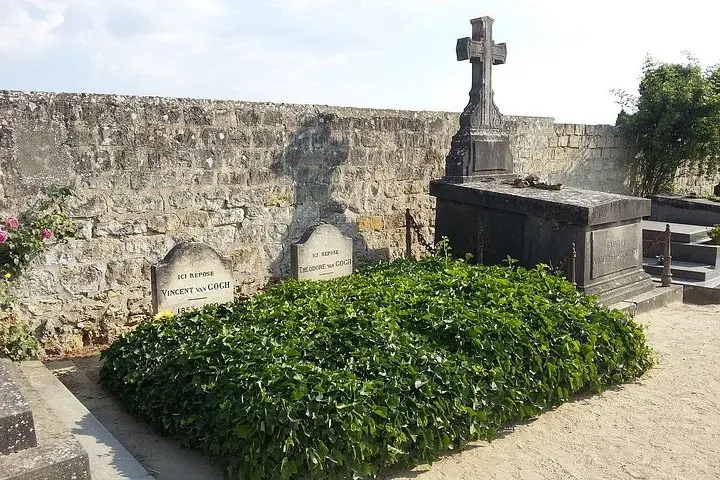
Auvers-sur-Oise’s story is straightforward: a rural town transformed into an artist colony in the 1800s. Painters such as Daubigny set the stage; Van Gogh spent his final weeks here, lodging at the Auberge Ravoux and painting the church, the fields and the rye. Geologically the area sits on gentle plateaus and river terraces carved by the Oise—low elevation changes, clay and limestone soils that keep the roads firm and the views wide.
Culturally, the village still runs on small museums, ateliers and cafés—quiet, local, and oriented toward foot traffic. Expect a practical visit: short museum stops, a focused walking loop to key Van Gogh sites, and pockets of pastoral scenery rather than dramatic alpine panoramas.
Practical guidance: allow five to six hours for round-trip transport plus on-foot exploration. Wear comfortable walking shoes for uneven cobbles, check museum opening hours in advance, and plan early pickups to avoid afternoon traffic back to Paris. Bring a light layer—riverside breezes can be cool—and a camera with extra battery: the light here is what drew the painters, and it rewards patient observation.
No—your English-speaking driver is experienced with local logistics and history but is not a licensed museum guide.
Admissions are generally not included; check specific museum opening hours and purchase tickets independently if required.
Pickup can be arranged at most central Paris addresses—confirm the exact meeting point when booking and allow time for traffic.
Transport vehicles and much of Auvers’ main streets are accessible, but some historic sites and uneven paths may be challenging—advise the operator at booking for specifics.
Europe Journey - Private Sightseeing Transfers and Day Tours operates guided outdoor trips and adventures with an emphasis on safety, stewardship, and memorable experiences.
You pull away from Paris and the city’s rhythm softens into rolling cereal fields and the silver thread of the Oise River. Within an hour a small village appears: narrow lanes, low stone houses, and the church steeple that inspired one of Vincent van Gogh’s late paintings. The air here carries the same practical quiet that drew 19th-century landscape painters—clear light, cultivated fields and riverbanks that invite walking.
You pull away from Paris and the city’s rhythm softens into rolling cereal fields and the silver thread of the Oise River. Within an hour a small village appears: narrow lanes, low stone houses, and the church steeple that inspired one of Vincent van Gogh’s late paintings. The air here carries the same practical quiet that drew 19th-century landscape painters—clear light, cultivated fields and riverbanks that invite walking.
Auvers-sur-Oise’s story is straightforward: a rural town transformed into an artist colony in the 1800s. Painters such as Daubigny set the stage; Van Gogh spent his final weeks here, lodging at the Auberge Ravoux and painting the church, the fields and the rye. Geologically the area sits on gentle plateaus and river terraces carved by the Oise—low elevation changes, clay and limestone soils that keep the roads firm and the views wide.
Culturally, the village still runs on small museums, ateliers and cafés—quiet, local, and oriented toward foot traffic. Expect a practical visit: short museum stops, a focused walking loop to key Van Gogh sites, and pockets of pastoral scenery rather than dramatic alpine panoramas.
Practical guidance: allow five to six hours for round-trip transport plus on-foot exploration. Wear comfortable walking shoes for uneven cobbles, check museum opening hours in advance, and plan early pickups to avoid afternoon traffic back to Paris. Bring a light layer—riverside breezes can be cool—and a camera with extra battery: the light here is what drew the painters, and it rewards patient observation.