THE ADVENTURE COLLECTIVE® · Independent discovery and booking for outdoor travel

Escape Rome for a six‑hour private tour to Tivoli and explore two UNESCO jewels: the sprawling ruins of Hadrian's Villa and the water-sculpted gardens of Villa d'Este. This day trip blends Roman engineering and Renaissance spectacle with practical tips for timing, tickets and terrain.
Escape Rome for a six‑hour private tour to Tivoli and explore two UNESCO jewels: the sprawling ruins of Hadrian's Villa and the water-sculpted gardens of Villa d'Este. This day trip blends Roman engineering and Renaissance spectacle with practical tips for timing, tickets and terrain.
Arrive in Tivoli and the air feels different — cooler, laced with water from fountains that have been directing visitors for five centuries. The drive from Rome eases you out of city traffic and drops you into a town where imperial ambition and Renaissance order share the same hill slopes.
Verified experiences and guided adventures in the surrounding area.
Operated by Welcome Pickups · Tivoli, Lazio
Arrive in Tivoli and the air feels different — cooler, laced with water from fountains that have been directing visitors for five centuries. The drive from Rome eases you out of city traffic and drops you into a town where imperial ambition and Renaissance order share the same hill slopes.
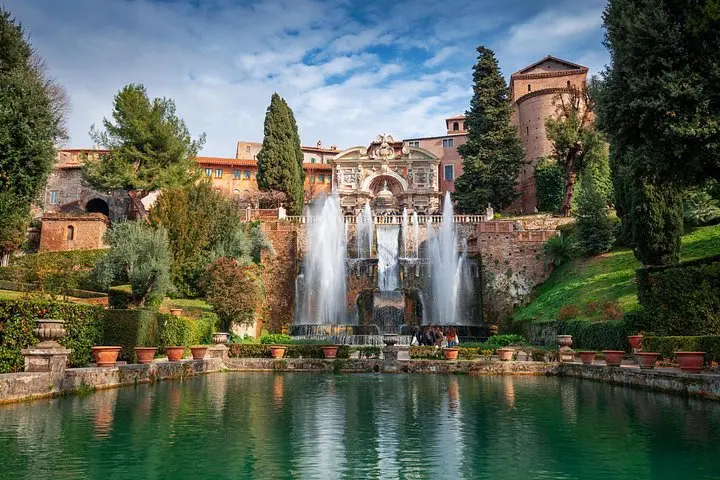
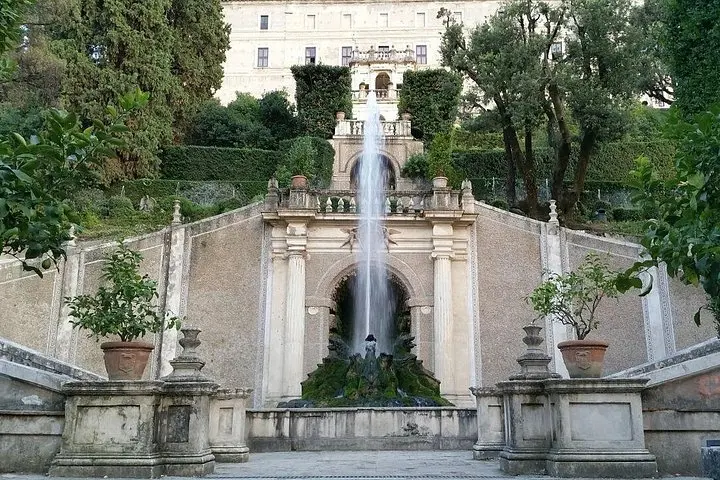
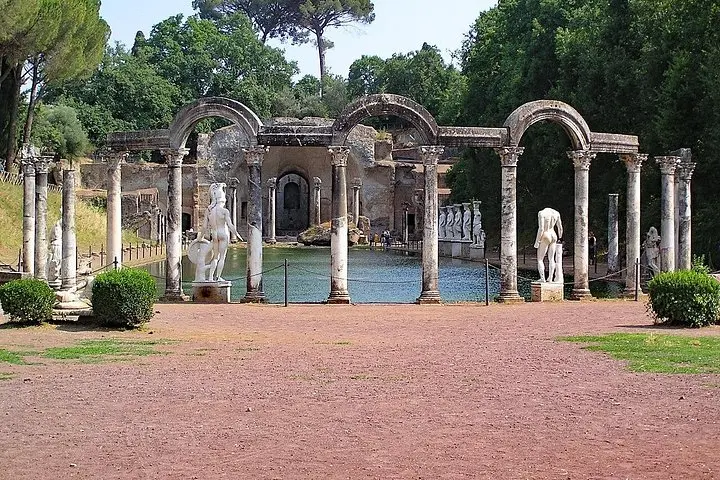
Hadrian's Villa (Villa Adriana) sprawls like an intentional ruin: thermal baths, libraries, temples and broad subterranean passages laid out by an emperor who curated his world. The stonework tells stories of Roman engineering and imperial travel; terraces give way to long views toward the Sabine hills. Later, Villa d'Este shifts the mood to controlled spectacle — Renaissance gardens staged around water: cascading fountains, basin pools and hydraulics that still hum with the same gravity that once impressed cardinals and princes.
Together the sites chart a cultural arc from Rome's imperial experiments to Renaissance aesthetics. Geologically, the area sits on tuff and travertine deposits, giving the ruins and fountains their warm, pale stone. Local culture mixes family-run osterias with artisans selling garden-era ceramics; seasonal festivals bring extra crowds in summer.
Practical guidance: this is primarily a walking day with structured stops served by a private vehicle. Expect uneven paths, steps at both villas and variable opening hours; bring comfortable shoes, water, and a hat. Book museum admissions ahead to avoid lines, aim for an early or late slot to dodge midday crowds, and leave room in your schedule to simply sit beside a fountain and listen as the water keeps moving the story forward.
Admissions are not included; drivers act as informal guides but cannot enter monuments for you, so purchase tickets in advance or on arrival depending on availability.
Typical itineraries allocate roughly three hours at Hadrian's Villa and two hours at Villa d'Este, but your private schedule can be adjusted when booking.
The vehicle accommodates children and infant seats are available, but expect uneven terrain and steps at the sites—strollers may be impractical inside some ruins and garden sections.
Yes — drivers are English-speaking informal guides who share local history and tips, but they do not act as licensed museum guides inside the attractions.
Welcome Pickups operates guided outdoor trips and adventures with an emphasis on safety, stewardship, and memorable experiences.
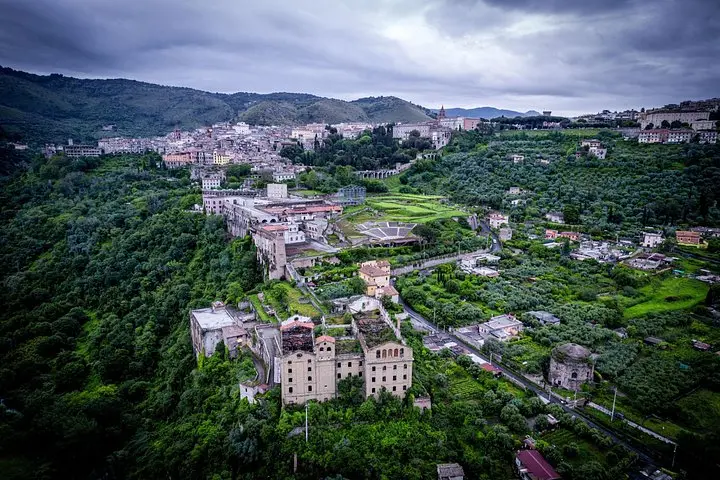
Arrive in Tivoli and the air feels different — cooler, laced with water from fountains that have been directing visitors for five centuries. The drive from Rome eases you out of city traffic and drops you into a town where imperial ambition and Renaissance order share the same hill slopes.
Arrive in Tivoli and the air feels different — cooler, laced with water from fountains that have been directing visitors for five centuries. The drive from Rome eases you out of city traffic and drops you into a town where imperial ambition and Renaissance order share the same hill slopes.
Hadrian's Villa (Villa Adriana) sprawls like an intentional ruin: thermal baths, libraries, temples and broad subterranean passages laid out by an emperor who curated his world. The stonework tells stories of Roman engineering and imperial travel; terraces give way to long views toward the Sabine hills. Later, Villa d'Este shifts the mood to controlled spectacle — Renaissance gardens staged around water: cascading fountains, basin pools and hydraulics that still hum with the same gravity that once impressed cardinals and princes.
Together the sites chart a cultural arc from Rome's imperial experiments to Renaissance aesthetics. Geologically, the area sits on tuff and travertine deposits, giving the ruins and fountains their warm, pale stone. Local culture mixes family-run osterias with artisans selling garden-era ceramics; seasonal festivals bring extra crowds in summer.
Practical guidance: this is primarily a walking day with structured stops served by a private vehicle. Expect uneven paths, steps at both villas and variable opening hours; bring comfortable shoes, water, and a hat. Book museum admissions ahead to avoid lines, aim for an early or late slot to dodge midday crowds, and leave room in your schedule to simply sit beside a fountain and listen as the water keeps moving the story forward.