THE ADVENTURE COLLECTIVE® · Independent discovery and booking for outdoor travel

Drive from Tangier into northern Morocco’s Rif Mountains on a private day tour that pairs Tetouan’s preserved white medina with Chefchaouen’s iconic blue lanes. This chauffeured route balances cultural stops, short climbs and scenic viewpoints for a full day of regional history and landscape.
Drive from Tangier into northern Morocco’s Rif Mountains on a private day tour that pairs Tetouan’s preserved white medina with Chefchaouen’s iconic blue lanes. This chauffeured route balances cultural stops, short climbs and scenic viewpoints for a full day of regional history and landscape.
Morning light over Tangier pushes across the bay as an air-conditioned car pulls away from the port, engine steady against the Rif foothills. The road threads from coastal cities into hills that seem to change color with every kilometer; whitewashed facades of Tetouan give way to the cool blues of Chefchaouen.
Verified experiences and guided adventures in the surrounding area.
Operated by RMT Tours · Tangier, Tanger-Tétouan-Al Hoceima
Morning light over Tangier pushes across the bay as an air-conditioned car pulls away from the port, engine steady against the Rif foothills. The road threads from coastal cities into hills that seem to change color with every kilometer; whitewashed facades of Tetouan give way to the cool blues of Chefchaouen.
Tetouan opens with a park-top view and a medina that still moves at local pace: colonial balconies, church bells, and craftsmen shaping leather and ceramics. The city wears its Spanish-protectorate past on facades and street plans, a tangible overlap of Andalusian geometry and Moroccan craft. Travel inland and the geology tightens—the folded limestone and shale of the Rif throw up narrow valleys that channel streams and the human settlements that follow them.
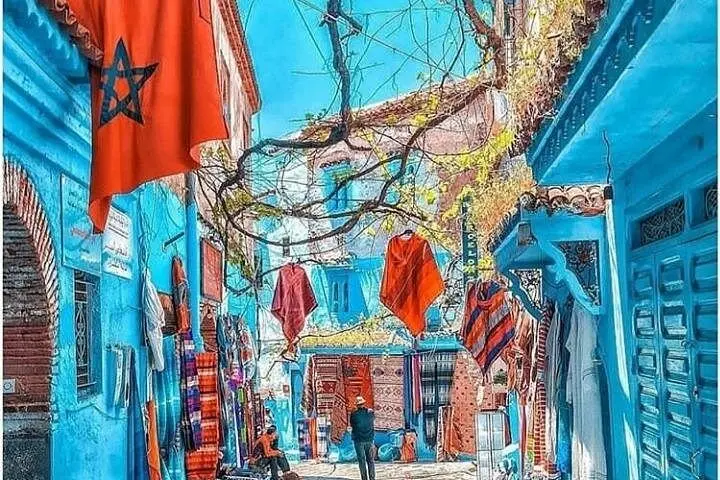
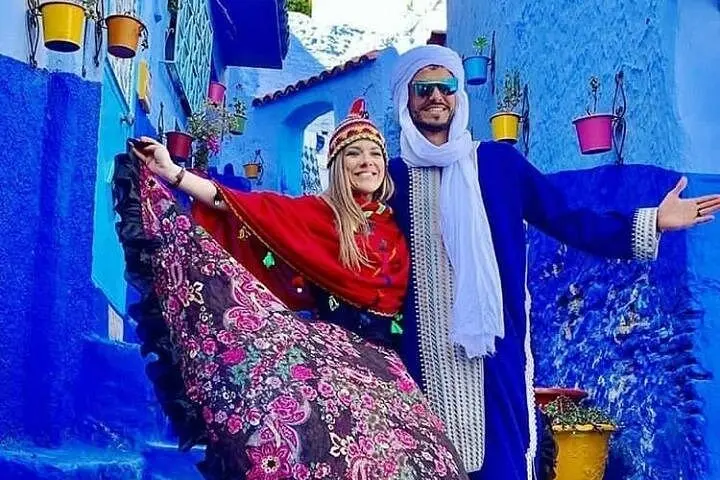
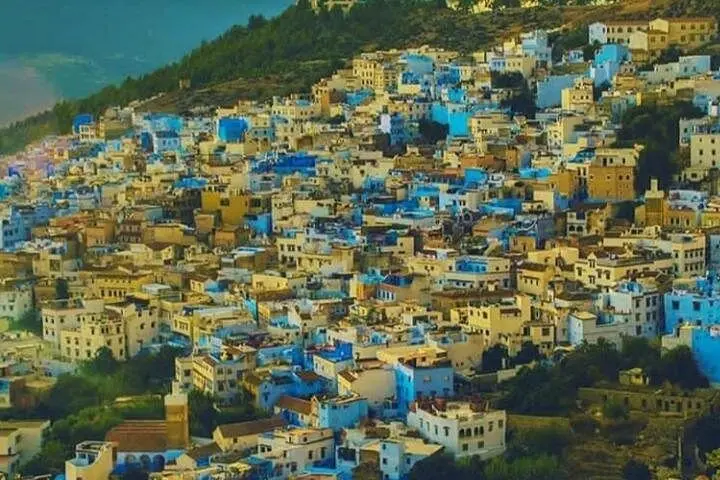
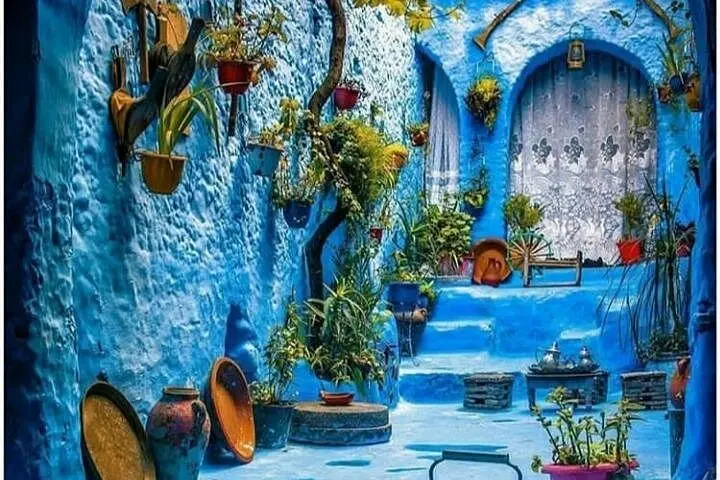
Chefchaouen arrives like a deliberate color study: lanes painted in layered blues, roof terraces catching the last light, and a kasbah tower that rewards a short climb with Talassemtane vistas. The river at the town’s edge quietly dictates laundry rhythms and garden irrigation; olive trees and terraced plots slope into the mountains.
Practically, expect light to moderate walking on cobbles and steps, short climbs and many photo stops. A local driver-guide handles navigation and logistics so you can move between viewpoints efficiently. Carry water, wear good walking shoes for uneven alleys, and bring a lightweight layer for mountain breezes. Aim for early departures to avoid midday crowds in Chefchaouen and to capture the blue hues at their freshest.
The private tour runs roughly 8–12 hours; pickup times are flexible but early morning departures (around 8:00 AM) maximize daylight and minimize crowds.
The vehicle and many viewpoints are accessible, but medina alleys and the kasbah tower include steps and uneven surfaces—discuss needs with the operator before booking.
Lunch and personal expenses are typically not included; the itinerary suggests a lunch stop in Uta Al-Hammam with rooftop options.
Yes—private tours usually allow tailoring of time at Tetouan or Chefchaouen; confirm desired changes with your guide in advance.
RMT Tours operates guided outdoor trips and adventures with an emphasis on safety, stewardship, and memorable experiences.
Morning light over Tangier pushes across the bay as an air-conditioned car pulls away from the port, engine steady against the Rif foothills. The road threads from coastal cities into hills that seem to change color with every kilometer; whitewashed facades of Tetouan give way to the cool blues of Chefchaouen.
Morning light over Tangier pushes across the bay as an air-conditioned car pulls away from the port, engine steady against the Rif foothills. The road threads from coastal cities into hills that seem to change color with every kilometer; whitewashed facades of Tetouan give way to the cool blues of Chefchaouen.
Tetouan opens with a park-top view and a medina that still moves at local pace: colonial balconies, church bells, and craftsmen shaping leather and ceramics. The city wears its Spanish-protectorate past on facades and street plans, a tangible overlap of Andalusian geometry and Moroccan craft. Travel inland and the geology tightens—the folded limestone and shale of the Rif throw up narrow valleys that channel streams and the human settlements that follow them.
Chefchaouen arrives like a deliberate color study: lanes painted in layered blues, roof terraces catching the last light, and a kasbah tower that rewards a short climb with Talassemtane vistas. The river at the town’s edge quietly dictates laundry rhythms and garden irrigation; olive trees and terraced plots slope into the mountains.
Practically, expect light to moderate walking on cobbles and steps, short climbs and many photo stops. A local driver-guide handles navigation and logistics so you can move between viewpoints efficiently. Carry water, wear good walking shoes for uneven alleys, and bring a lightweight layer for mountain breezes. Aim for early departures to avoid midday crowds in Chefchaouen and to capture the blue hues at their freshest.