THE ADVENTURE COLLECTIVE® · Independent discovery and booking for outdoor travel

Escape Marrakech for a day to hike the Ourika Valley and reach the Setti Fatma waterfalls beneath the Atlas Mountains. This guided private day trip mixes mountain scenery, Berber culture, and a riverside tagine lunch.
Escape Marrakech for a day to hike the Ourika Valley and reach the Setti Fatma waterfalls beneath the Atlas Mountains. This guided private day trip mixes mountain scenery, Berber culture, and a riverside tagine lunch.
You leave Marrakech’s ochre walls and rush of scooters behind; the road tilts and the air cools as the High Atlas unfolds like a changing mood. By the time the minivan slows at Ourika Valley, the river is already calling—clear, fast, and insistent—threading the terraces and olive groves. The walk to Setti Fatma’s cascades follows stone steps, mule tracks and narrow footpaths where the water seems to be daring you onward.
Verified experiences and guided adventures in the surrounding area.
Operated by Souf Excursions · Setti Fatma (Ourika Valley), Marrakech-Safi
You leave Marrakech’s ochre walls and rush of scooters behind; the road tilts and the air cools as the High Atlas unfolds like a changing mood. By the time the minivan slows at Ourika Valley, the river is already calling—clear, fast, and insistent—threading the terraces and olive groves. The walk to Setti Fatma’s cascades follows stone steps, mule tracks and narrow footpaths where the water seems to be daring you onward.
The Ourika Valley has long been shaped by Berber farming communities who managed steep terraces and seasonal irrigation from mountain streams; geology here is predominantly schist and sandstone eroded into dramatic gullies and ridges. Cultural traces—simple stone houses, woven rugs, and the ritual of mint tea—anchor the landscape to daily life. In cooler months the Atlas peaks hold lingering snow; in spring the waterfalls run high and loud.
Expect a mostly unpaved, sometimes rocky hike of a few kilometers round-trip with intermittent steep sections; allow 1.5–3 hours on foot depending on stops. The trail gains a few hundred meters in places and uses rough stone steps—sturdy shoes matter. Bring sun protection, layered clothing for changing mountain conditions, cash for local cafes and tips, and a reusable bottle for the clear mountain water (treat or filter if you’ll drink from streams). Guides typically include pickup from Marrakech and a riverside lunch—tagine and salads—so plan for a full 7–8 hour day. Early departures avoid heat and crowds and leave more time to meet local families or linger by the cascades.
The full private day trip runs about 7–8 hours door to door from Marrakech, including driving, hiking, and a riverside lunch.
The trail is moderate—short steep sections and uneven stone steps—so reasonably fit beginners can do it with frequent rests.
Yes; most operators include a traditional Moroccan lunch by the river (tagine, salads, pastries) as part of the tour.
Yes, private tours typically include pickup and drop-off from accommodations inside Marrakech.
Souf Excursions operates guided outdoor trips and adventures with an emphasis on safety, stewardship, and memorable experiences.
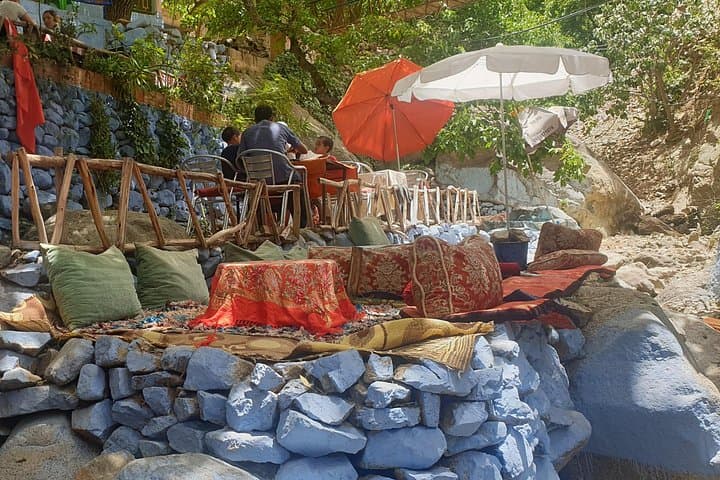
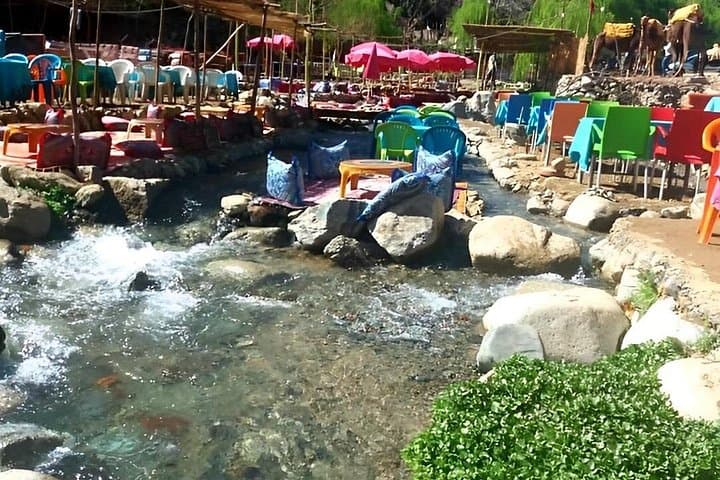
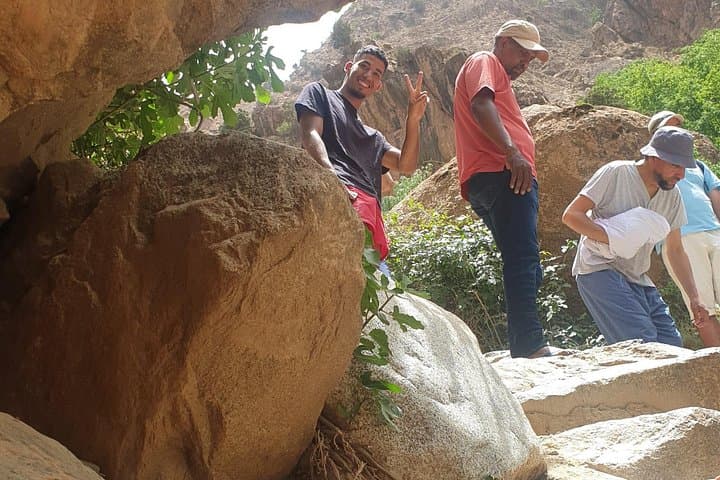
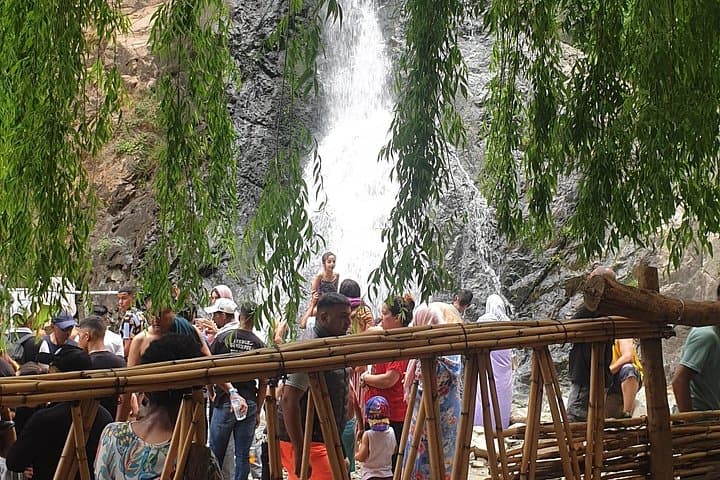
You leave Marrakech’s ochre walls and rush of scooters behind; the road tilts and the air cools as the High Atlas unfolds like a changing mood. By the time the minivan slows at Ourika Valley, the river is already calling—clear, fast, and insistent—threading the terraces and olive groves. The walk to Setti Fatma’s cascades follows stone steps, mule tracks and narrow footpaths where the water seems to be daring you onward.
You leave Marrakech’s ochre walls and rush of scooters behind; the road tilts and the air cools as the High Atlas unfolds like a changing mood. By the time the minivan slows at Ourika Valley, the river is already calling—clear, fast, and insistent—threading the terraces and olive groves. The walk to Setti Fatma’s cascades follows stone steps, mule tracks and narrow footpaths where the water seems to be daring you onward.
The Ourika Valley has long been shaped by Berber farming communities who managed steep terraces and seasonal irrigation from mountain streams; geology here is predominantly schist and sandstone eroded into dramatic gullies and ridges. Cultural traces—simple stone houses, woven rugs, and the ritual of mint tea—anchor the landscape to daily life. In cooler months the Atlas peaks hold lingering snow; in spring the waterfalls run high and loud.
Expect a mostly unpaved, sometimes rocky hike of a few kilometers round-trip with intermittent steep sections; allow 1.5–3 hours on foot depending on stops. The trail gains a few hundred meters in places and uses rough stone steps—sturdy shoes matter. Bring sun protection, layered clothing for changing mountain conditions, cash for local cafes and tips, and a reusable bottle for the clear mountain water (treat or filter if you’ll drink from streams). Guides typically include pickup from Marrakech and a riverside lunch—tagine and salads—so plan for a full 7–8 hour day. Early departures avoid heat and crowds and leave more time to meet local families or linger by the cascades.