THE ADVENTURE COLLECTIVE® · Independent discovery and booking for outdoor travel

Make an early-morning run from Delhi to see the Taj Mahal at its most luminous, then explore Agra Fort’s layered Mughal history. This private car day trip covers transport, a guide, and enough time to absorb both sites without rushing.
Make an early-morning run from Delhi to see the Taj Mahal at its most luminous, then explore Agra Fort’s layered Mughal history. This private car day trip covers transport, a guide, and enough time to absorb both sites without rushing.
You arrive before dawn, the highway unspooling east from Delhi as the car hums toward the Yamuna floodplain. Morning light first reveals the Taj Mahal as a pale silhouette across manicured gardens, then the marble sharpens into filigree—an architectural voice that grows louder the closer you get.
Verified experiences and guided adventures in the surrounding area.
Operated by Trek India Tours · Agra, Uttar Pradesh
You arrive before dawn, the highway unspooling east from Delhi as the car hums toward the Yamuna floodplain. Morning light first reveals the Taj Mahal as a pale silhouette across manicured gardens, then the marble sharpens into filigree—an architectural voice that grows louder the closer you get.
Built by Shah Jahan in the 17th century, the Taj Mahal sits on alluvial terraces where riverine silt once fed stoneworkers and gardens. The monument’s white Makrana marble and inlaid pietra dura work reflect Mughal aesthetics and imperial mechanics: imported materials, skilled craftspeople, and a site chosen for axial symmetry along the Yamuna.
Agra itself carries layers of history—Mughal courts, later Maratha and British occupations—visible in the red sandstone ramparts of Agra Fort and the compact lanes around the bazaars. Local culture mixes pilgrimage, tourism, and daily life; vendors sell petha sweets and carved marble trinkets across from the monument’s eastern gates.
Practical guidance: this is a long day—expect 3 hours each way by car from central Delhi and a total outing of roughly 8–10 hours. Arrive early to beat crowds and harsh midday light; the Taj is closed on Fridays. Security checks are strict—leave tripods, large bags, and drones behind. Book entry tickets in advance if possible, carry a government ID for ticket pickup, and factor in time for Agra Fort (allow 60–120 minutes). Hydrate and wear sturdy shoes for walking on marble and uneven fort terraces. A private AC car and an English-speaking guide make logistics straightforward, but weather, traffic, and religious or national holidays can affect timing—build flexibility into your plan.
Expect about three hours one way from central Delhi under normal traffic; allow extra time for peak hours or unexpected delays.
This tour description notes admissions are not included—purchase Taj Mahal and Agra Fort tickets in advance or confirm with the operator before travel.
No—Taj Mahal is closed on Fridays for congregational prayers; plan your day trip on a different weekday or the weekend.
The operator indicates wheelchair-accessible transportation and some accessible areas, but marble platforms and fort terraces have steps—confirm specific accessibility needs beforehand.
Trek India Tours operates guided outdoor trips and adventures with an emphasis on safety, stewardship, and memorable experiences.
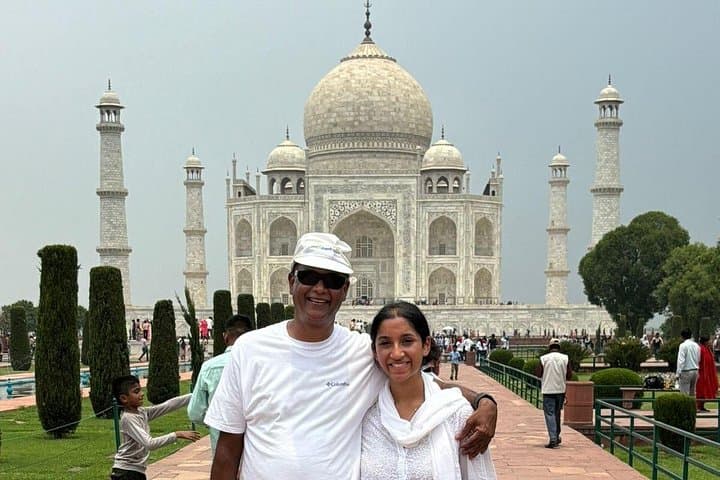

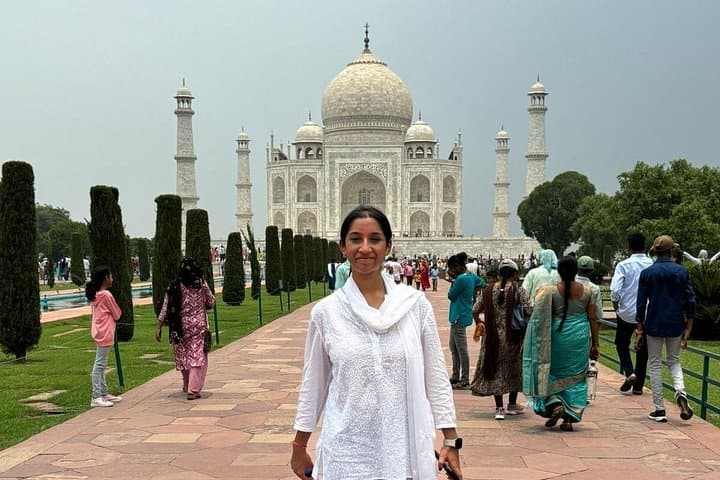

You arrive before dawn, the highway unspooling east from Delhi as the car hums toward the Yamuna floodplain. Morning light first reveals the Taj Mahal as a pale silhouette across manicured gardens, then the marble sharpens into filigree—an architectural voice that grows louder the closer you get.
You arrive before dawn, the highway unspooling east from Delhi as the car hums toward the Yamuna floodplain. Morning light first reveals the Taj Mahal as a pale silhouette across manicured gardens, then the marble sharpens into filigree—an architectural voice that grows louder the closer you get.
Built by Shah Jahan in the 17th century, the Taj Mahal sits on alluvial terraces where riverine silt once fed stoneworkers and gardens. The monument’s white Makrana marble and inlaid pietra dura work reflect Mughal aesthetics and imperial mechanics: imported materials, skilled craftspeople, and a site chosen for axial symmetry along the Yamuna.
Agra itself carries layers of history—Mughal courts, later Maratha and British occupations—visible in the red sandstone ramparts of Agra Fort and the compact lanes around the bazaars. Local culture mixes pilgrimage, tourism, and daily life; vendors sell petha sweets and carved marble trinkets across from the monument’s eastern gates.
Practical guidance: this is a long day—expect 3 hours each way by car from central Delhi and a total outing of roughly 8–10 hours. Arrive early to beat crowds and harsh midday light; the Taj is closed on Fridays. Security checks are strict—leave tripods, large bags, and drones behind. Book entry tickets in advance if possible, carry a government ID for ticket pickup, and factor in time for Agra Fort (allow 60–120 minutes). Hydrate and wear sturdy shoes for walking on marble and uneven fort terraces. A private AC car and an English-speaking guide make logistics straightforward, but weather, traffic, and religious or national holidays can affect timing—build flexibility into your plan.