THE ADVENTURE COLLECTIVE® · Independent discovery and booking for outdoor travel

Make a long but rewarding day of it: fly from Cairo to Aswan and journey south to Abu Simbel, where Ramesses II’s twin temples rise from the desert. This private tour handles logistics so you can focus on the scale, the stories, and the sunlit sanctuary.
Make a long but rewarding day of it: fly from Cairo to Aswan and journey south to Abu Simbel, where Ramesses II’s twin temples rise from the desert. This private tour handles logistics so you can focus on the scale, the stories, and the sunlit sanctuary.
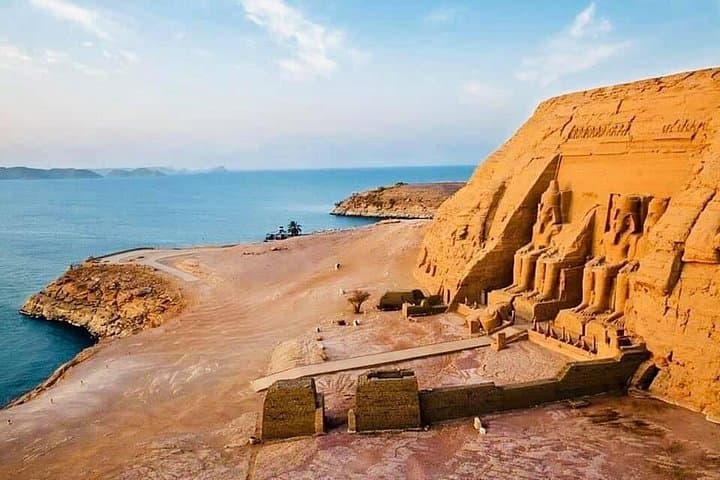
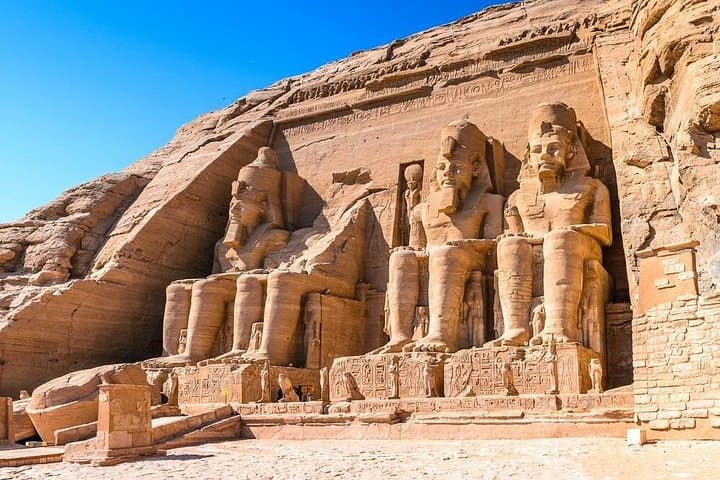
You arrive before dawn: a private car through Cairo’s quiet streets, a short flight that drops you into Aswan’s dust and light, then a three‑hour drive south as the desert flattens into ochre plains. By midmorning the two rock-cut facades of Abu Simbel rise from the sand — four colossal seated figures staring out across a reclaimed shore — and the scale of Ramesses II’s ambition becomes immediate.
Verified experiences and guided adventures in the surrounding area.
Operated by Egyptian Daily Tours · Aswan, Aswan Governorate
You arrive before dawn: a private car through Cairo’s quiet streets, a short flight that drops you into Aswan’s dust and light, then a three‑hour drive south as the desert flattens into ochre plains. By midmorning the two rock-cut facades of Abu Simbel rise from the sand — four colossal seated figures staring out across a reclaimed shore — and the scale of Ramesses II’s ambition becomes immediate.
Built around 1264 BC during the New Kingdom, Abu Simbel’s Great and Small Temples were carved into living rock and later raised, piece by piece, during the 1960s UNESCO relocation to save them from the rising waters of Lake Nasser. Geologically the site sits on Nubian sandstone; wind and sun have polished its surfaces but careful conservation keeps the carved reliefs readable.
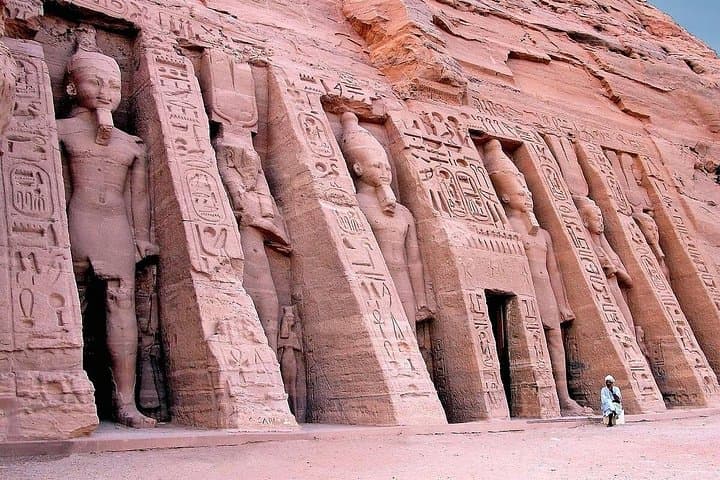
Culturally you’ll feel the weight of pharaonic ritual in the procession of halls, and the rare prominence of Queen Nefertari at the Small Temple. Local guides add context — solar alignment days (Feb 22 and Oct 22) when sunlight penetrates to the inner sanctuary — and point out small fragments left from an ancient quake.
Practical guide: this is a long day (about 10 hours). Expect uneven stone floors, sun exposure, and minimal shade. Wear sturdy walking shoes, layered clothing for cool mornings and hot afternoons, and carry sun protection and plenty of water. Entry fees and domestic flights are typically included in private tour packages; plan for early pickup and a return flight the same evening. Respect photography rules near sanctuaries, and avoid climbing on monuments to help preserve this relocated masterpiece for the next generation.
Yes — reputable private day tours normally include round‑trip domestic flights and transfer logistics.
The road transfer is roughly three hours each way from Aswan to Abu Simbel, on paved highways with occasional rest stops.
Access involves uneven ground and steps; tours note it is not recommended for those with serious spinal conditions or pregnant travelers — check with your operator for assistance options.
October through April offers milder temperatures and clearer skies; summer is intensely hot so early starts are advised.
Egyptian Daily Tours operates guided outdoor trips and adventures with an emphasis on safety, stewardship, and memorable experiences.

You arrive before dawn: a private car through Cairo’s quiet streets, a short flight that drops you into Aswan’s dust and light, then a three‑hour drive south as the desert flattens into ochre plains. By midmorning the two rock-cut facades of Abu Simbel rise from the sand — four colossal seated figures staring out across a reclaimed shore — and the scale of Ramesses II’s ambition becomes immediate.
You arrive before dawn: a private car through Cairo’s quiet streets, a short flight that drops you into Aswan’s dust and light, then a three‑hour drive south as the desert flattens into ochre plains. By midmorning the two rock-cut facades of Abu Simbel rise from the sand — four colossal seated figures staring out across a reclaimed shore — and the scale of Ramesses II’s ambition becomes immediate.
Built around 1264 BC during the New Kingdom, Abu Simbel’s Great and Small Temples were carved into living rock and later raised, piece by piece, during the 1960s UNESCO relocation to save them from the rising waters of Lake Nasser. Geologically the site sits on Nubian sandstone; wind and sun have polished its surfaces but careful conservation keeps the carved reliefs readable.
Culturally you’ll feel the weight of pharaonic ritual in the procession of halls, and the rare prominence of Queen Nefertari at the Small Temple. Local guides add context — solar alignment days (Feb 22 and Oct 22) when sunlight penetrates to the inner sanctuary — and point out small fragments left from an ancient quake.
Practical guide: this is a long day (about 10 hours). Expect uneven stone floors, sun exposure, and minimal shade. Wear sturdy walking shoes, layered clothing for cool mornings and hot afternoons, and carry sun protection and plenty of water. Entry fees and domestic flights are typically included in private tour packages; plan for early pickup and a return flight the same evening. Respect photography rules near sanctuaries, and avoid climbing on monuments to help preserve this relocated masterpiece for the next generation.