THE ADVENTURE COLLECTIVE® · Independent discovery and booking for outdoor travel

Escape Paris for a private full-day visit to Bruges: medieval streets, a guided walking tour of the historic center, and a summer canal cruise. This guide explains what to expect on the 13-hour round trip and how to prepare for cobbled streets, passport requirements, and seasonal details.
Escape Paris for a private full-day visit to Bruges: medieval streets, a guided walking tour of the historic center, and a summer canal cruise. This guide explains what to expect on the 13-hour round trip and how to prepare for cobbled streets, passport requirements, and seasonal details.
You rise in Paris before dawn and the city blurs past as the car eases onto the highway toward the Flemish plain. By late morning the skyline tightens into stepped gables and the air carries a faint note of baking bread and chocolate; Bruges announces itself with canals that cut through the town like deliberate seams.
Verified experiences and guided adventures in the surrounding area.
Operated by we share · Bruges, West Flanders
You rise in Paris before dawn and the city blurs past as the car eases onto the highway toward the Flemish plain. By late morning the skyline tightens into stepped gables and the air carries a faint note of baking bread and chocolate; Bruges announces itself with canals that cut through the town like deliberate seams.
Bruges grew rich in the Middle Ages as a center of cloth trade; its compact medieval core, now a UNESCO World Heritage site, still shows the stonework and narrow lanes laid down when merchants ruled northern Europe. Geologically the town sits on low-lying alluvial soils; the canals are engineered waterways, not wild rivers—constructed to serve commerce and now to frame the view. Culture here is tactile: lace shops, brown-amber ales, and chocolatiers whose windows invite a pause.
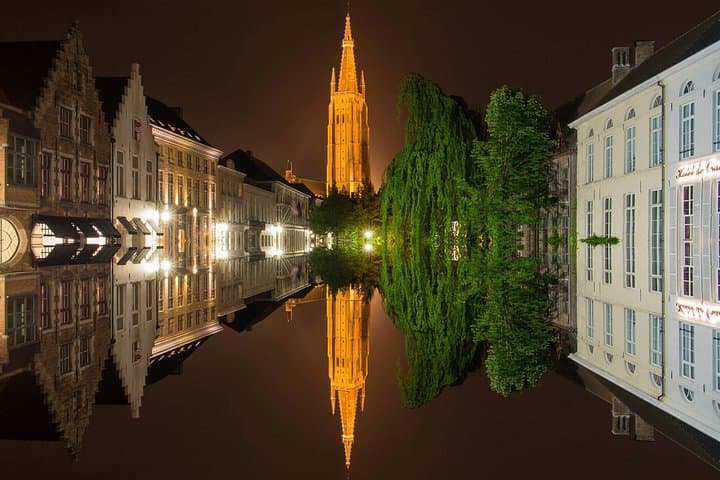
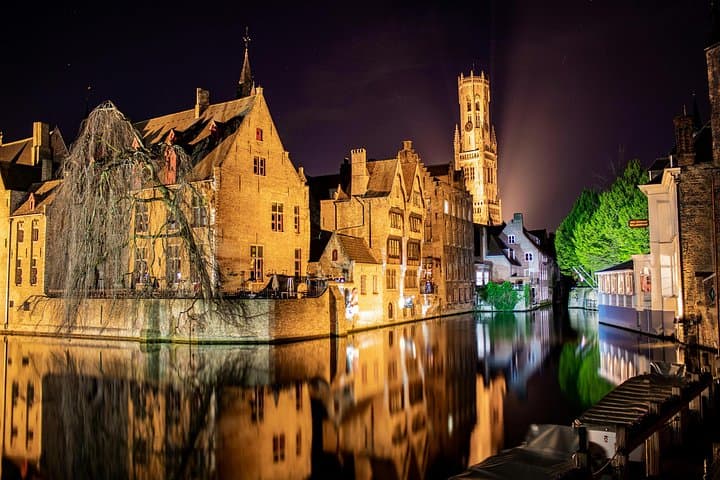
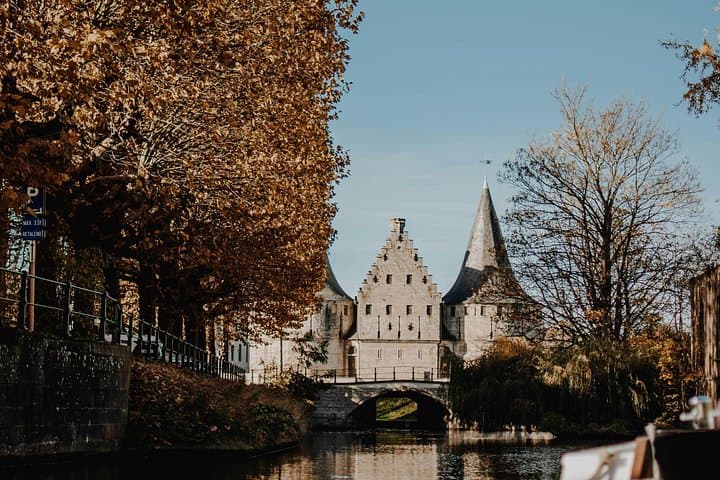
Expect five hours on the ground: a guided walk through the Markt, a look inside the Church of Our Lady, and, in summer, a canal cruise that skirts Flemish mansions. The pace is urban hiking—cobblestones, short staircases, and frequent stops for photos or a museum detour.
Practical notes: bring a passport (non-EU travelers need appropriate visas), wear sturdy shoes for cobbles, and plan lunch in the center where menus range from fries to Flemish stew. Summers require sun protection and a timed mindset—boats run April through October and the return departs mid-afternoon for a late-evening arrival back in Paris. This is a day of history served at walking pace, best enjoyed with sensible layers and a readiness to trade itineraries for a quiet canal-side bench when the light is right.
Yes — the tour includes hotel pickup in Paris at approximately 7:15 AM; exact pickup time and location are confirmed at booking.
No — the canal cruise is included only in summer months (April–October) when operators run regular boats.
Meals are not included; you will have free time for lunch in Bruges and several cafés and local restaurants are available.
The tour involves cobblestones and some stairs; it may be challenging for wheelchair users or those with significant mobility restrictions—contact the operator ahead to discuss options.
we share operates guided outdoor trips and adventures with an emphasis on safety, stewardship, and memorable experiences.

You rise in Paris before dawn and the city blurs past as the car eases onto the highway toward the Flemish plain. By late morning the skyline tightens into stepped gables and the air carries a faint note of baking bread and chocolate; Bruges announces itself with canals that cut through the town like deliberate seams.
You rise in Paris before dawn and the city blurs past as the car eases onto the highway toward the Flemish plain. By late morning the skyline tightens into stepped gables and the air carries a faint note of baking bread and chocolate; Bruges announces itself with canals that cut through the town like deliberate seams.
Bruges grew rich in the Middle Ages as a center of cloth trade; its compact medieval core, now a UNESCO World Heritage site, still shows the stonework and narrow lanes laid down when merchants ruled northern Europe. Geologically the town sits on low-lying alluvial soils; the canals are engineered waterways, not wild rivers—constructed to serve commerce and now to frame the view. Culture here is tactile: lace shops, brown-amber ales, and chocolatiers whose windows invite a pause.
Expect five hours on the ground: a guided walk through the Markt, a look inside the Church of Our Lady, and, in summer, a canal cruise that skirts Flemish mansions. The pace is urban hiking—cobblestones, short staircases, and frequent stops for photos or a museum detour.
Practical notes: bring a passport (non-EU travelers need appropriate visas), wear sturdy shoes for cobbles, and plan lunch in the center where menus range from fries to Flemish stew. Summers require sun protection and a timed mindset—boats run April through October and the return departs mid-afternoon for a late-evening arrival back in Paris. This is a day of history served at walking pace, best enjoyed with sensible layers and a readiness to trade itineraries for a quiet canal-side bench when the light is right.