THE ADVENTURE COLLECTIVE® · Independent discovery and booking for outdoor travel

Fly from Sharm El Sheikh to Cairo in a single day to stand before the Giza pyramids, meet the Sphinx and tour the Egyptian Museum. This private, guided itinerary packs the capital’s ancient highlights into an efficient 12-hour excursion.
Fly from Sharm El Sheikh to Cairo in a single day to stand before the Giza pyramids, meet the Sphinx and tour the Egyptian Museum. This private, guided itinerary packs the capital’s ancient highlights into an efficient 12-hour excursion.
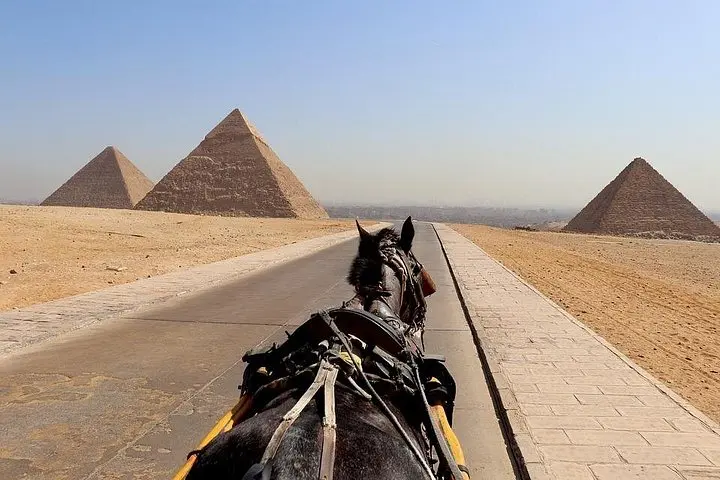
A dawn pickup in Sharm El Sheikh, a quick shuttle to the airport and the plane climbs east — the Red Sea shrinks below as the Nile’s green ribbon and the Giza plateau grow toward the horizon. At Giza the pyramids rise like misaligned mountains; the Sphinx squints across the sands as vendors and camels orbit the plateau, and the city smells of dust and frying falafel.
Verified experiences and guided adventures in the surrounding area.
Operated by 3 stars travel · Cairo, Cairo
A dawn pickup in Sharm El Sheikh, a quick shuttle to the airport and the plane climbs east — the Red Sea shrinks below as the Nile’s green ribbon and the Giza plateau grow toward the horizon. At Giza the pyramids rise like misaligned mountains; the Sphinx squints across the sands as vendors and camels orbit the plateau, and the city smells of dust and frying falafel.
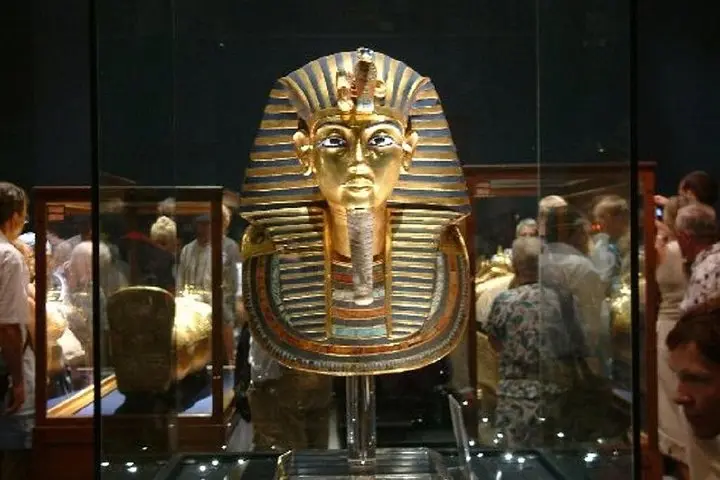
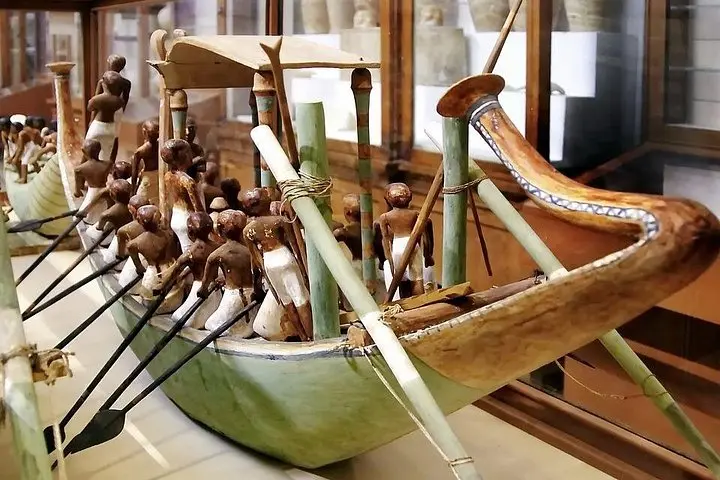
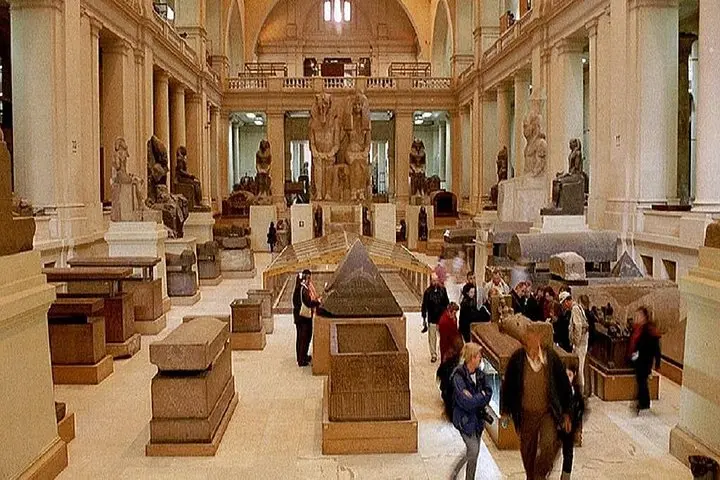
These monuments are 4,500 years of human ambition in stone. The Great Pyramid is a worked limestone and granite mass whose core blocks were quarried nearby; the Sphinx was carved from a single seam of bedrock and later restored in Roman and modern times. The Egyptian Museum houses objects that trace dynastic Egypt’s political and ritual life — most famously Tutankhamun’s funerary goods — while Khan El Khalili reflects medieval Cairo’s Islamic and Ottoman-era trading culture.
Expect crowded, sensory environments: sun, vendors, and tight museum rooms. The plateau’s terrain is uneven sand and packed earth; the museum is air-conditioned but busy. Plan for security lines and brief waits at entry points.
Practical guidance: bring your passport and the printed or mobile ticket, sun protection, comfortable closed-toe shoes, and small cash for tips and souvenirs. The trip includes round-trip flights Sharm–Cairo, entrance fees and an English-speaking guide, but allow time for lines and optional lunch. If mobility is a concern, request assistance in advance — transfers are accessible though the plateau itself remains rough underfoot.
Yes — the itinerary includes round-trip flights Sharm–Cairo–Sharm and entrance fees to the Giza plateau and Egyptian Museum as stated.
Lunch is optional; guides typically recommend a local restaurant in Cairo and will take you there if you choose to eat on-site.
Transfers and vehicles are wheelchair accessible, but the Giza plateau has uneven terrain and limited ramped access; ask for advance assistance if needed.
Visitors should verify Egypt’s visa requirements for their nationality before travel; the operator does not issue visas at pickup.
3 stars travel operates guided outdoor trips and adventures with an emphasis on safety, stewardship, and memorable experiences.
A dawn pickup in Sharm El Sheikh, a quick shuttle to the airport and the plane climbs east — the Red Sea shrinks below as the Nile’s green ribbon and the Giza plateau grow toward the horizon. At Giza the pyramids rise like misaligned mountains; the Sphinx squints across the sands as vendors and camels orbit the plateau, and the city smells of dust and frying falafel.
A dawn pickup in Sharm El Sheikh, a quick shuttle to the airport and the plane climbs east — the Red Sea shrinks below as the Nile’s green ribbon and the Giza plateau grow toward the horizon. At Giza the pyramids rise like misaligned mountains; the Sphinx squints across the sands as vendors and camels orbit the plateau, and the city smells of dust and frying falafel.
These monuments are 4,500 years of human ambition in stone. The Great Pyramid is a worked limestone and granite mass whose core blocks were quarried nearby; the Sphinx was carved from a single seam of bedrock and later restored in Roman and modern times. The Egyptian Museum houses objects that trace dynastic Egypt’s political and ritual life — most famously Tutankhamun’s funerary goods — while Khan El Khalili reflects medieval Cairo’s Islamic and Ottoman-era trading culture.
Expect crowded, sensory environments: sun, vendors, and tight museum rooms. The plateau’s terrain is uneven sand and packed earth; the museum is air-conditioned but busy. Plan for security lines and brief waits at entry points.
Practical guidance: bring your passport and the printed or mobile ticket, sun protection, comfortable closed-toe shoes, and small cash for tips and souvenirs. The trip includes round-trip flights Sharm–Cairo, entrance fees and an English-speaking guide, but allow time for lines and optional lunch. If mobility is a concern, request assistance in advance — transfers are accessible though the plateau itself remains rough underfoot.