THE ADVENTURE COLLECTIVE® · Independent discovery and booking for outdoor travel

A private day trip from Marrakech to Essaouira delivers the Atlantic coast’s working port, 18th‑century ramparts, and a lively medina in one full day. Expect seaside air, cobbled streets, and a flexible itinerary with hotel pickup and an air‑conditioned vehicle.
A private day trip from Marrakech to Essaouira delivers the Atlantic coast’s working port, 18th‑century ramparts, and a lively medina in one full day. Expect seaside air, cobbled streets, and a flexible itinerary with hotel pickup and an air‑conditioned vehicle.
You arrive with the Atlantic wind in your face: the driver peels off the A7 and the cedar-and-argan-streaked hills fall away to open sky. By the time the medina walls come into view, gulls have claimed the fishing port and the air smells of sea salt and smoke from grills. Essaouira unfolds as a working coastal town—boats, nets, and a ring of 18th‑century ramparts that look out over a wide, low-angled beach.
Verified experiences and guided adventures in the surrounding area.
Operated by Intercity Journeys · Essaouira, Marrakesh-Safi
You arrive with the Atlantic wind in your face: the driver peels off the A7 and the cedar-and-argan-streaked hills fall away to open sky. By the time the medina walls come into view, gulls have claimed the fishing port and the air smells of sea salt and smoke from grills. Essaouira unfolds as a working coastal town—boats, nets, and a ring of 18th‑century ramparts that look out over a wide, low-angled beach.
Once called Mogador, Essaouira’s defensive walls were rebuilt under Sultan Mohammed ben Abdallah; earlier Portuguese and European influences shaped its grid-like medina and stone embankments. Geology here is Atlantic sandstone and coastal dune systems, with shallow offshore shelves that draw small dolphins and dense seabird life. Culturally the town is defined by fishing, argan cooperatives, and Gnawa music—an after-hours current that still threads through cafés and alleys.
On a private day trip from Marrakech you’ll cover roughly 190 km each way (about 3–3.5 hours driving) and spend 3–5 hours exploring on foot: the fish market and blue‑hulled boats at the port, the cannon-lined Skala, and the medina’s compact souks. Terrain is paved road to the town, then cobbled streets and low stone steps; elevation change is minimal but expect uneven surfaces.
Practical notes: start early to avoid midday heat and to see the freshest catch at the port. Bring a windproof layer, sun protection, cash for small stalls, and comfortable shoes for cobbles. If you prefer a relaxed pace, the private pickup and air‑conditioned vehicle in the itinerary let you set your own rhythm while ensuring smooth logistics for a full 7–10 hour day.
Yes—private pickup from Marrakech hotels is included; confirm your pickup point at booking.
No—meals are not included; drivers can recommend seafood restaurants at the port or medina cafés where you can eat at your own expense.
Expect 2–4 hours of light to moderate walking around the port, ramparts, and medina on cobbled and stepped terrain.
Infant seats are available on request, but the medina’s uneven surfaces and steps can be challenging for travelers with reduced mobility; the provider lists some health restrictions (pregnancy, serious back or heart conditions).
Intercity Journeys operates guided outdoor trips and adventures with an emphasis on safety, stewardship, and memorable experiences.
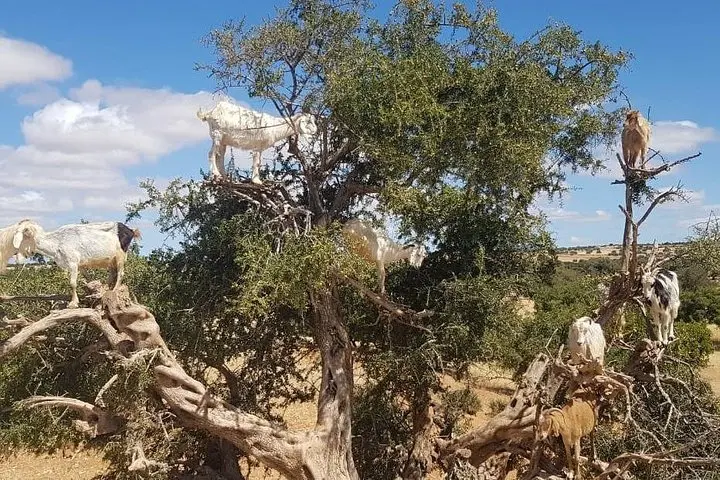
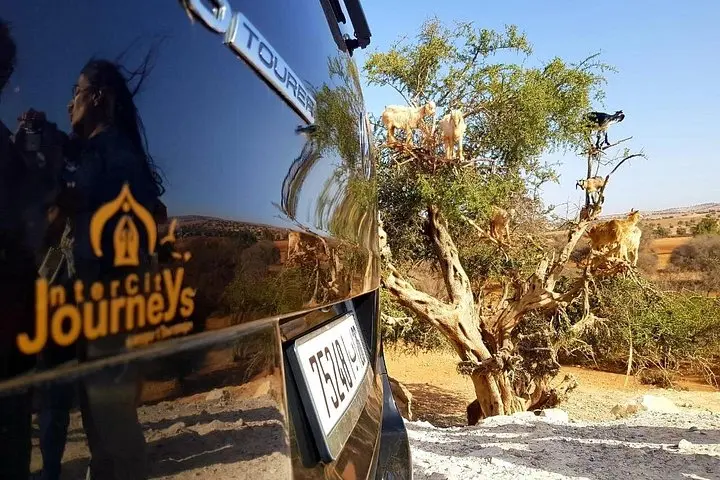
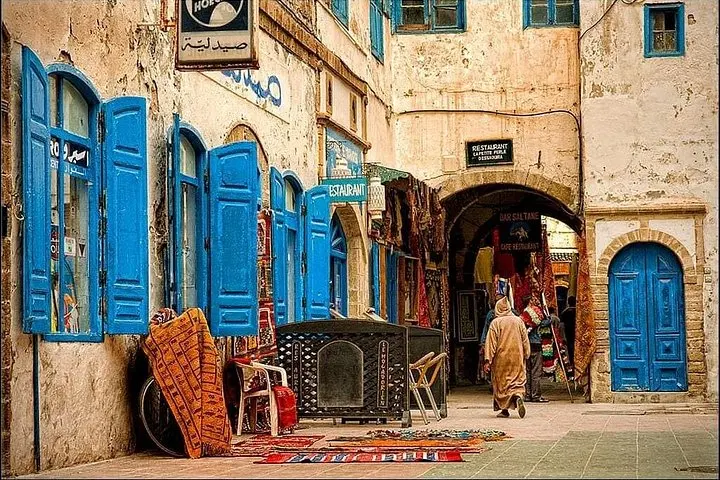
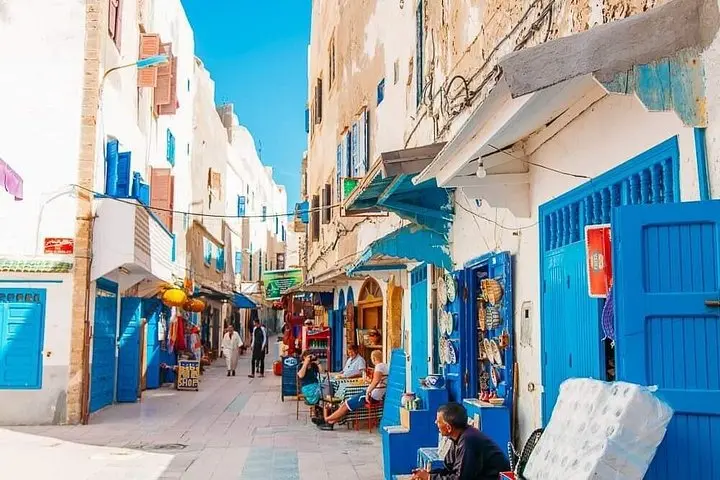
You arrive with the Atlantic wind in your face: the driver peels off the A7 and the cedar-and-argan-streaked hills fall away to open sky. By the time the medina walls come into view, gulls have claimed the fishing port and the air smells of sea salt and smoke from grills. Essaouira unfolds as a working coastal town—boats, nets, and a ring of 18th‑century ramparts that look out over a wide, low-angled beach.
You arrive with the Atlantic wind in your face: the driver peels off the A7 and the cedar-and-argan-streaked hills fall away to open sky. By the time the medina walls come into view, gulls have claimed the fishing port and the air smells of sea salt and smoke from grills. Essaouira unfolds as a working coastal town—boats, nets, and a ring of 18th‑century ramparts that look out over a wide, low-angled beach.
Once called Mogador, Essaouira’s defensive walls were rebuilt under Sultan Mohammed ben Abdallah; earlier Portuguese and European influences shaped its grid-like medina and stone embankments. Geology here is Atlantic sandstone and coastal dune systems, with shallow offshore shelves that draw small dolphins and dense seabird life. Culturally the town is defined by fishing, argan cooperatives, and Gnawa music—an after-hours current that still threads through cafés and alleys.
On a private day trip from Marrakech you’ll cover roughly 190 km each way (about 3–3.5 hours driving) and spend 3–5 hours exploring on foot: the fish market and blue‑hulled boats at the port, the cannon-lined Skala, and the medina’s compact souks. Terrain is paved road to the town, then cobbled streets and low stone steps; elevation change is minimal but expect uneven surfaces.
Practical notes: start early to avoid midday heat and to see the freshest catch at the port. Bring a windproof layer, sun protection, cash for small stalls, and comfortable shoes for cobbles. If you prefer a relaxed pace, the private pickup and air‑conditioned vehicle in the itinerary let you set your own rhythm while ensuring smooth logistics for a full 7–10 hour day.