THE ADVENTURE COLLECTIVE® · Independent discovery and booking for outdoor travel

See two of Belgium’s best-preserved medieval cities in a single private day trip from Amsterdam. This flexible tour mixes castle visits, cathedral art, local breweries and time for waffles, chocolate and canal views.
See two of Belgium’s best-preserved medieval cities in a single private day trip from Amsterdam. This flexible tour mixes castle visits, cathedral art, local breweries and time for waffles, chocolate and canal views.
You leave Amsterdam before dawn, the van easing onto the highway as brick facades and steeples of Flanders begin to appear on the horizon. By mid-morning the Gravensteen’s grey silhouette rises above Ghent’s quay; by afternoon Bruges’ canals reflect bell towers and stepped gables like a slow-moving mirror.
Verified experiences and guided adventures in the surrounding area.
Operated by VIP Travel & Limousine Services · Amsterdam, North Holland
You leave Amsterdam before dawn, the van easing onto the highway as brick facades and steeples of Flanders begin to appear on the horizon. By mid-morning the Gravensteen’s grey silhouette rises above Ghent’s quay; by afternoon Bruges’ canals reflect bell towers and stepped gables like a slow-moving mirror.
These cities grew wealthy on medieval cloth trade and kept their cores largely intact: Gravensteen is a 12th-century keep once tied to countly power, St. Bavo’s Cathedral houses art and a centuries-long ecclesiastical legacy, and Bruges’ Belfort and Basilica of the Holy Blood mark civic and devotional life that shaped northern Europe.
Geologically the region sits on the low Belgian plain—flat ground, clay soils and human-shaped waterways—so expect broad canal corridors and compact cobblestone streets rather than steep climbs. Culturally the day is punctuated by small-scale pleasures: local breweries, chocolate ateliers and waffle stands that speak to Belgium’s gastronomic craft.
Practical guidance: the tour runs about 11–12 hours including driving; the operator provides private AC transport, bottled water and Wi‑Fi, and Gravensteen admission is included. It’s self-guided in each city, so prioritize must-sees to avoid rushing. Allow time for lunch and short walks—cobblestones demand sturdy shoes and attention. Summer can be busy; canal cruises operate seasonally and carriage rides are weather-dependent.
Travelers should bring ID for cross-border travel, charge devices, and factor in traffic when booking early departures. The itinerary suits sightseers who want concentrated history, local beer and chocolate, and the steady rhythm of Flemish streets.
Yes—hotel pickup and drop-off in Amsterdam are included; confirm your exact pickup point when booking.
Gravensteen Castle admission is included; other sites such as St. Bavo’s, breweries or museums may require separate tickets.
Yes—the tour is flexible within the 11.5-hour schedule, but traffic and opening hours will limit total time on site.
Yes—suitable for families; infants may sit in laps and strollers are possible but expect cobblestones and stairs in some attractions.
VIP Travel & Limousine Services operates guided outdoor trips and adventures with an emphasis on safety, stewardship, and memorable experiences.
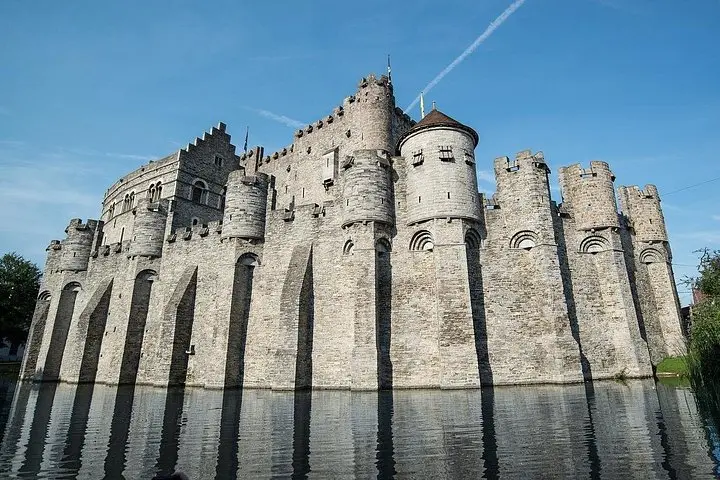
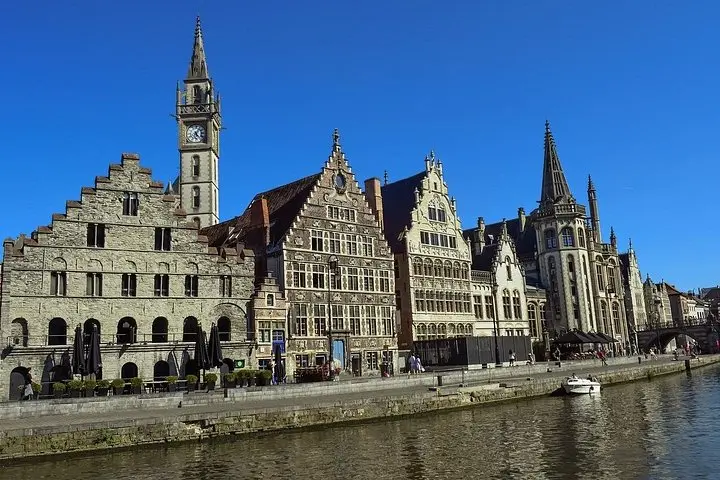
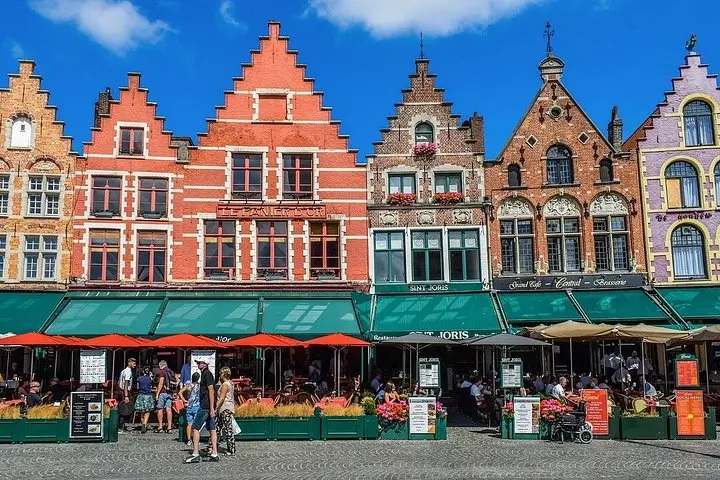
You leave Amsterdam before dawn, the van easing onto the highway as brick facades and steeples of Flanders begin to appear on the horizon. By mid-morning the Gravensteen’s grey silhouette rises above Ghent’s quay; by afternoon Bruges’ canals reflect bell towers and stepped gables like a slow-moving mirror.
You leave Amsterdam before dawn, the van easing onto the highway as brick facades and steeples of Flanders begin to appear on the horizon. By mid-morning the Gravensteen’s grey silhouette rises above Ghent’s quay; by afternoon Bruges’ canals reflect bell towers and stepped gables like a slow-moving mirror.
These cities grew wealthy on medieval cloth trade and kept their cores largely intact: Gravensteen is a 12th-century keep once tied to countly power, St. Bavo’s Cathedral houses art and a centuries-long ecclesiastical legacy, and Bruges’ Belfort and Basilica of the Holy Blood mark civic and devotional life that shaped northern Europe.
Geologically the region sits on the low Belgian plain—flat ground, clay soils and human-shaped waterways—so expect broad canal corridors and compact cobblestone streets rather than steep climbs. Culturally the day is punctuated by small-scale pleasures: local breweries, chocolate ateliers and waffle stands that speak to Belgium’s gastronomic craft.
Practical guidance: the tour runs about 11–12 hours including driving; the operator provides private AC transport, bottled water and Wi‑Fi, and Gravensteen admission is included. It’s self-guided in each city, so prioritize must-sees to avoid rushing. Allow time for lunch and short walks—cobblestones demand sturdy shoes and attention. Summer can be busy; canal cruises operate seasonally and carriage rides are weather-dependent.
Travelers should bring ID for cross-border travel, charge devices, and factor in traffic when booking early departures. The itinerary suits sightseers who want concentrated history, local beer and chocolate, and the steady rhythm of Flemish streets.