THE ADVENTURE COLLECTIVE® · Independent discovery and booking for outdoor travel

Trade a long but scenic drive from Český Krumlov for four hours in Hallstatt: a compact, UNESCO-listed lakeside village carved by salt and limestone. This private day trip gives you time to walk the shore, climb viewpoints, and feel the town’s salt-mining past.
Trade a long but scenic drive from Český Krumlov for four hours in Hallstatt: a compact, UNESCO-listed lakeside village carved by salt and limestone. This private day trip gives you time to walk the shore, climb viewpoints, and feel the town’s salt-mining past.
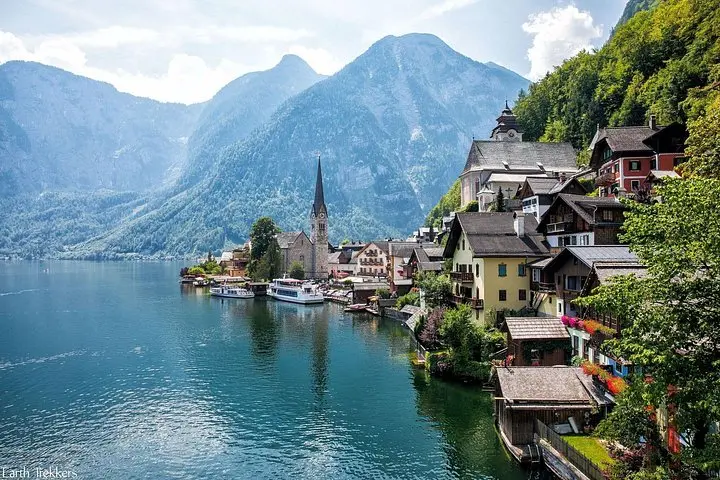
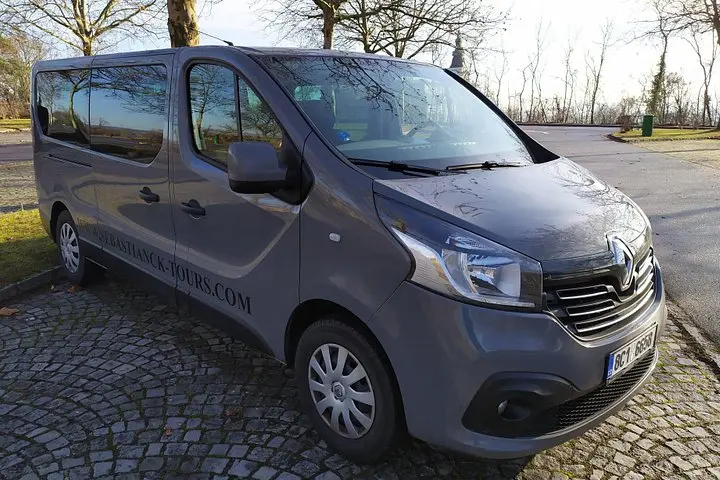
On a cool morning the minivan eases out of Český Krumlov, Czech roofs shrinking behind you as the road threads toward the Austrian Alps. By the time the lake appears—black-green, rimmed with steep limestone and stacked wooden houses—you feel the scale of the day: a long drive that rewards with one of Europe’s most photographed villages.
Verified experiences and guided adventures in the surrounding area.
Operated by Jan Stehlik - Pension Sebastian Tours & Transport · Hallstatt, Upper Austria
On a cool morning the minivan eases out of Český Krumlov, Czech roofs shrinking behind you as the road threads toward the Austrian Alps. By the time the lake appears—black-green, rimmed with steep limestone and stacked wooden houses—you feel the scale of the day: a long drive that rewards with one of Europe’s most photographed villages.
Hallstatt sits at the foot of the Dachstein limestone range and on the shores of Hallstätter See. Its history runs on salt: mining has shaped local culture since the Bronze Age, and the town’s narrow alleys and painted facades grew from wealth carved from rock. Geology is obvious here—sheer karst cliffs, glacially carved valley, and clear lake water reflecting steep slopes. Cultural touches are discreet but persistent: a 12th-century church, the Bone House at St. Michael’s, and traditional salt-worker heritage in local museums.
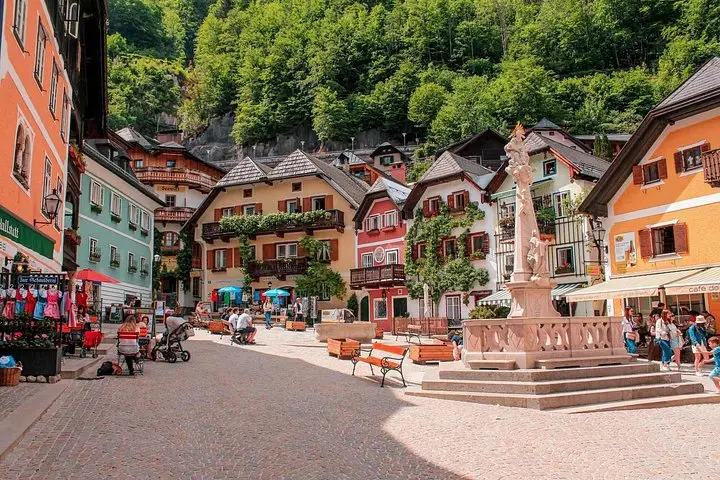
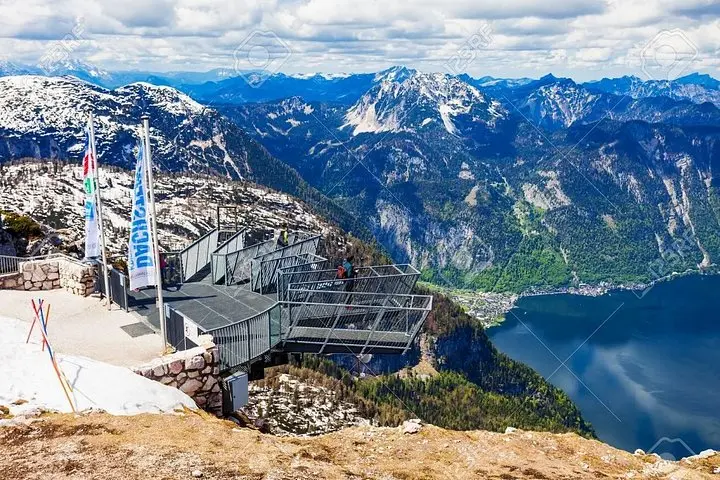
You’ll typically have roughly four hours on your own: walk the lakeside promenade, climb to the overlook above the market square, or visit the salt mine and Dachstein viewpoints if time allows. Expect cobbled streets, steep stairs, and crowds in midseason; the village footprint is compact but uneven.
Practical notes: allow about 2.5–3 hours each way from Český Krumlov, carry valid ID (Schengen area but bring passport or national ID), wear grippy shoes for wet stone steps, and have some cash for small vendors. If you prefer quieter photos, aim for earlier or later daylight within your free time. The trip trades hours on the road for concentrated, unmistakably Alpine scenery—packed, historic, and undeniably photogenic.
Plan on approximately 2.5–3 hours one way depending on traffic and border routing; the tour schedules time for the round trip within the 10-hour window.
Both Czech Republic and Austria are in Schengen—formal passport controls are rare, but carry a passport or national ID for identification and any incidental checks.
Four hours allows a relaxed lakeside walk, a climb to the main viewpoint, and a quick museum or church visit; add attraction tickets in advance if you want to visit the salt mine to save time.
Hallstatt’s core has narrow, uneven streets and steep steps; some areas are stroller-accessible but visitors with mobility concerns should check specific spots and consider assistance.
Jan Stehlik - Pension Sebastian Tours & Transport operates guided outdoor trips and adventures with an emphasis on safety, stewardship, and memorable experiences.
On a cool morning the minivan eases out of Český Krumlov, Czech roofs shrinking behind you as the road threads toward the Austrian Alps. By the time the lake appears—black-green, rimmed with steep limestone and stacked wooden houses—you feel the scale of the day: a long drive that rewards with one of Europe’s most photographed villages.
On a cool morning the minivan eases out of Český Krumlov, Czech roofs shrinking behind you as the road threads toward the Austrian Alps. By the time the lake appears—black-green, rimmed with steep limestone and stacked wooden houses—you feel the scale of the day: a long drive that rewards with one of Europe’s most photographed villages.
Hallstatt sits at the foot of the Dachstein limestone range and on the shores of Hallstätter See. Its history runs on salt: mining has shaped local culture since the Bronze Age, and the town’s narrow alleys and painted facades grew from wealth carved from rock. Geology is obvious here—sheer karst cliffs, glacially carved valley, and clear lake water reflecting steep slopes. Cultural touches are discreet but persistent: a 12th-century church, the Bone House at St. Michael’s, and traditional salt-worker heritage in local museums.
You’ll typically have roughly four hours on your own: walk the lakeside promenade, climb to the overlook above the market square, or visit the salt mine and Dachstein viewpoints if time allows. Expect cobbled streets, steep stairs, and crowds in midseason; the village footprint is compact but uneven.
Practical notes: allow about 2.5–3 hours each way from Český Krumlov, carry valid ID (Schengen area but bring passport or national ID), wear grippy shoes for wet stone steps, and have some cash for small vendors. If you prefer quieter photos, aim for earlier or later daylight within your free time. The trip trades hours on the road for concentrated, unmistakably Alpine scenery—packed, historic, and undeniably photogenic.