THE ADVENTURE COLLECTIVE® · Independent discovery and booking for outdoor travel

A private day trip from Marrakech that swaps city heat for the cool spray of Morocco’s highest cascades. Hike to viewpoints, watch Barbary macaques, and optionally take a boat beneath the falls for a closer, wetter perspective.
A private day trip from Marrakech that swaps city heat for the cool spray of Morocco’s highest cascades. Hike to viewpoints, watch Barbary macaques, and optionally take a boat beneath the falls for a closer, wetter perspective.
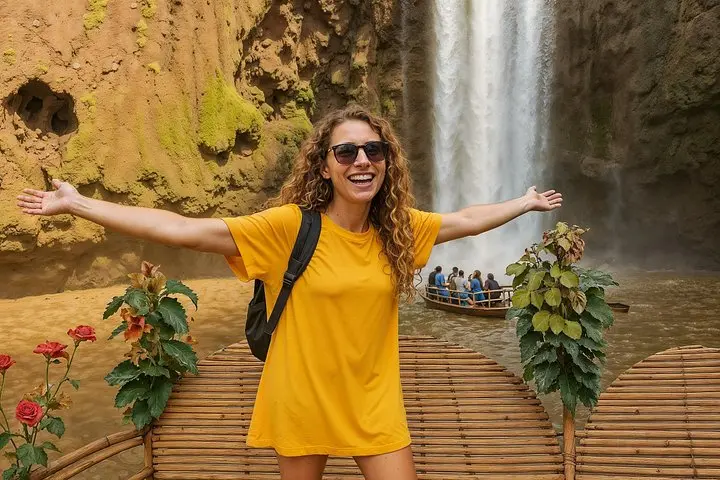
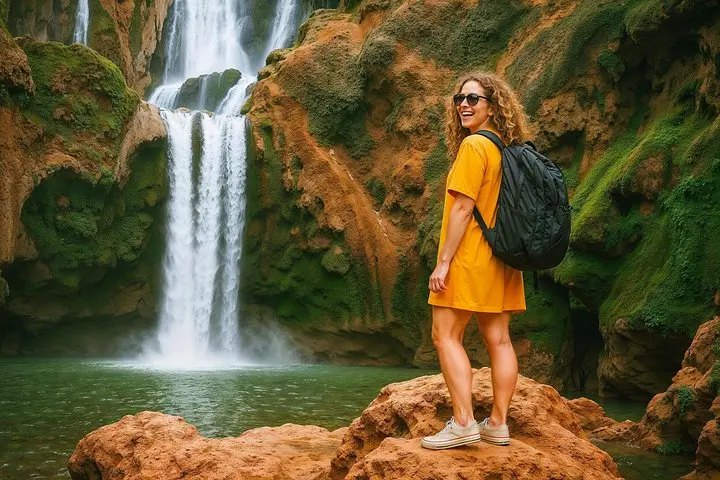
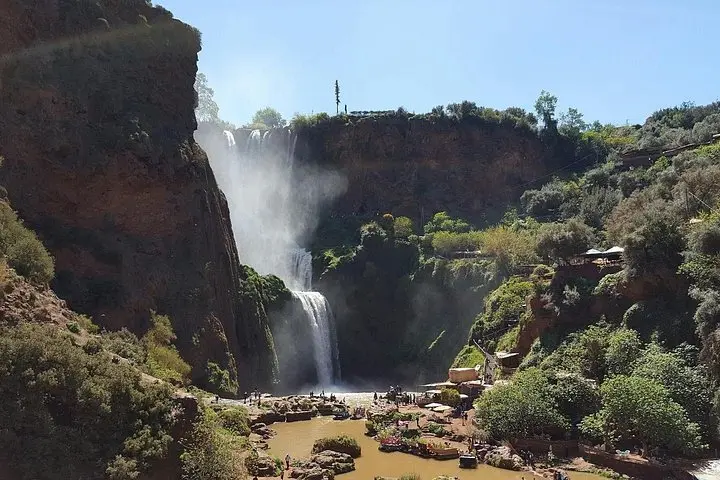
You leave Marrakech before the city wakes fully — the taxi drivers’ calls thin, the kasbahs shrink in the rearview — and the air shifts. Olive groves take over the roadside, their silver leaves flickering like a slow applause as the Atlas foothills step forward. After an hour or two of mountain villages and mosaic-tiled rooftops, the road drops and you hear it before you see it: the river demanding attention, spray whispering through the canyon. Ouzoud announces itself in sections — ribbons of water tumbling over stepped ledges, spitting mist that dots your camera lens and chills the back of your neck.
Verified experiences and guided adventures in the surrounding area.
Operated by explore morocco atlas · Ouzoud, Béni Mellal-Khénifra
You leave Marrakech before the city wakes fully — the taxi drivers’ calls thin, the kasbahs shrink in the rearview — and the air shifts. Olive groves take over the roadside, their silver leaves flickering like a slow applause as the Atlas foothills step forward. After an hour or two of mountain villages and mosaic-tiled rooftops, the road drops and you hear it before you see it: the river demanding attention, spray whispering through the canyon. Ouzoud announces itself in sections — ribbons of water tumbling over stepped ledges, spitting mist that dots your camera lens and chills the back of your neck.
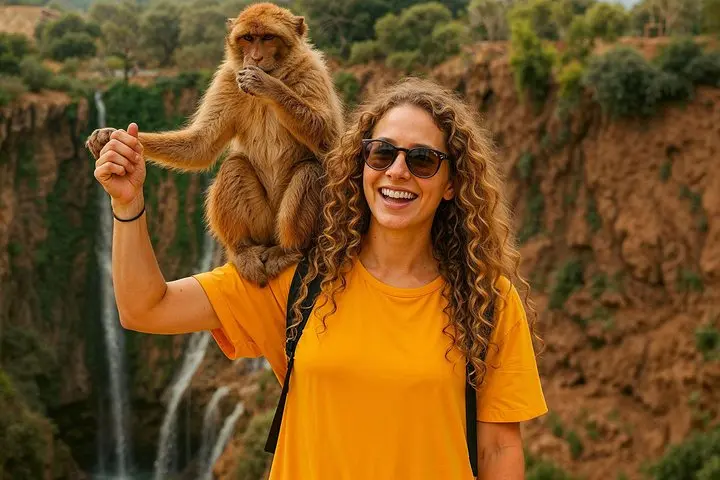
The falls themselves are a series of drops totaling roughly 100–110 meters, carved where the El Abid River negotiates harder volcanic rock over softer sediments. For centuries the valley supported olive presses and small Berber farms; the village economy still revolves around olives, tour groups, and riverside restaurants serving tagine while the water conducts its restless descent. Barbary macaques patrol the cliffs and shaded terraces; their movements have become part of the place’s rhythm, and local guides know which ledges they favor.
The tour’s arc is deliberate: a comfortable private drive from Marrakech, a guided loop of the main viewpoints, and the optional small-boat excursion that takes you close enough to feel the falls’ push. The walk is practical, not technical — a mix of stone stairs, dirt paths, and occasional slick rock where the spray wets the trail. Expect 2–4 miles of walking if you explore both banks, with several hundred feet of cumulative elevation change as you descend to riverside restaurants and climb back up to panoramic overlooks.
Timing matters. Midday draws the most crowds and the sharpest heat; mornings and late afternoons give you softer light and the chance to watch swifts and kingfishers stitch the air. Wear grippy shoes, pack a quick-dry layer for the spray, and keep a small dry bag for electronics on the boat. Respect local customs at riverside cafés — a mid-day tagine or mint tea feels earned after the hike — and treat the macaques as wild animals: intriguing, not approachable.
Practically, the private format means hotel pickup and a driver who knows the narrow lanes and the best viewpoints; bottled water and wet wipes are often provided, but bring your own refillable bottle to cut plastic waste. If you’re aiming for photos, golden hour softens the cliff faces and the falls’ whites; for a closer, wetter perspective, the boat ride delivers an immediate sensory reminder that nature can be both beautiful and insistent. This is a day-long reset: a short pilgrimage from Marrakech’s alleys into a river that keeps moving — and keeps asking you to follow.
Expect roughly 2–2.5 hours each way depending on traffic and stops; the private tour includes round-trip transfer so you can relax and photograph along the route.
The tour offers an optional boat ride near the base of the falls; it’s typically an add-on at local cost and weather-dependent.
Yes — the tour notes stroller and wheelchair accessibility for some areas, but the lower paths include stairs; plan for moderate mobility to access all viewpoints.
Riverside restaurants and cafes at the base of the falls offer toilets and traditional meals; bring cash for small purchases.
Barbary macaques are the most common; you may also spot swifts, kingfishers, and seasonal waterfowl on the river.
Swimming near the main cascades is not recommended due to strong currents and submerged hazards; occasional shallow pools off the main channel can be tempting but assess local signage and guide advice first.
explore morocco atlas operates guided outdoor trips and adventures with an emphasis on safety, stewardship, and memorable experiences.
You leave Marrakech before the city wakes fully — the taxi drivers’ calls thin, the kasbahs shrink in the rearview — and the air shifts. Olive groves take over the roadside, their silver leaves flickering like a slow applause as the Atlas foothills step forward. After an hour or two of mountain villages and mosaic-tiled rooftops, the road drops and you hear it before you see it: the river demanding attention, spray whispering through the canyon. Ouzoud announces itself in sections — ribbons of water tumbling over stepped ledges, spitting mist that dots your camera lens and chills the back of your neck.
You leave Marrakech before the city wakes fully — the taxi drivers’ calls thin, the kasbahs shrink in the rearview — and the air shifts. Olive groves take over the roadside, their silver leaves flickering like a slow applause as the Atlas foothills step forward. After an hour or two of mountain villages and mosaic-tiled rooftops, the road drops and you hear it before you see it: the river demanding attention, spray whispering through the canyon. Ouzoud announces itself in sections — ribbons of water tumbling over stepped ledges, spitting mist that dots your camera lens and chills the back of your neck.
The falls themselves are a series of drops totaling roughly 100–110 meters, carved where the El Abid River negotiates harder volcanic rock over softer sediments. For centuries the valley supported olive presses and small Berber farms; the village economy still revolves around olives, tour groups, and riverside restaurants serving tagine while the water conducts its restless descent. Barbary macaques patrol the cliffs and shaded terraces; their movements have become part of the place’s rhythm, and local guides know which ledges they favor.
The tour’s arc is deliberate: a comfortable private drive from Marrakech, a guided loop of the main viewpoints, and the optional small-boat excursion that takes you close enough to feel the falls’ push. The walk is practical, not technical — a mix of stone stairs, dirt paths, and occasional slick rock where the spray wets the trail. Expect 2–4 miles of walking if you explore both banks, with several hundred feet of cumulative elevation change as you descend to riverside restaurants and climb back up to panoramic overlooks.
Timing matters. Midday draws the most crowds and the sharpest heat; mornings and late afternoons give you softer light and the chance to watch swifts and kingfishers stitch the air. Wear grippy shoes, pack a quick-dry layer for the spray, and keep a small dry bag for electronics on the boat. Respect local customs at riverside cafés — a mid-day tagine or mint tea feels earned after the hike — and treat the macaques as wild animals: intriguing, not approachable.
Practically, the private format means hotel pickup and a driver who knows the narrow lanes and the best viewpoints; bottled water and wet wipes are often provided, but bring your own refillable bottle to cut plastic waste. If you’re aiming for photos, golden hour softens the cliff faces and the falls’ whites; for a closer, wetter perspective, the boat ride delivers an immediate sensory reminder that nature can be both beautiful and insistent. This is a day-long reset: a short pilgrimage from Marrakech’s alleys into a river that keeps moving — and keeps asking you to follow.