THE ADVENTURE COLLECTIVE® · Independent discovery and booking for outdoor travel

Climb the dramatic 200-meter column of Sigiriya and walk the cool, painted caverns of Dambulla on a private, all-inclusive day trip from the southwest coast. This full-day tour blends archaeology, geology and local culture with vehicle transfers and lunch included.
Climb the dramatic 200-meter column of Sigiriya and walk the cool, painted caverns of Dambulla on a private, all-inclusive day trip from the southwest coast. This full-day tour blends archaeology, geology and local culture with vehicle transfers and lunch included.
The sun is already warm when the driver eases the van into a roadside pullout and points: a wine-dark monolith rises from paddy and scrub, a sheer face scored by shadow and history. Climbing Sigiriya—known to many as Lion Rock—is less like a hike and more like walking through time. Each iron stair and jungle-cleared ledge reveals frescos, painted surfaces, and the carved remains of a guardian lion that once framed the final ascent.
Verified experiences and guided adventures in the surrounding area.
Operated by Bentota tours supporter · Sigiriya, Central Province
The sun is already warm when the driver eases the van into a roadside pullout and points: a wine-dark monolith rises from paddy and scrub, a sheer face scored by shadow and history. Climbing Sigiriya—known to many as Lion Rock—is less like a hike and more like walking through time. Each iron stair and jungle-cleared ledge reveals frescos, painted surfaces, and the carved remains of a guardian lion that once framed the final ascent.
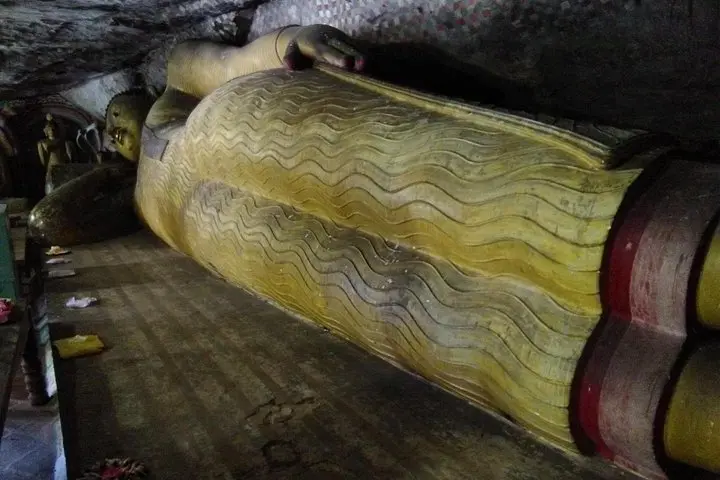
By midday the group shifts to cool, dim caverns of Dambulla, where the Golden Temple holds Buddha statues, gilded niches, and murals layered across centuries. The caves don’t just hold art; they keep humidity, incense, and the low hum of devotion that has threaded local life since antiquity.
Sigiriya’s geology is straightforward and dramatic: a 200-meter column of Precambrian gneiss lifted and isolated by erosion. Archaeology dates the fortress to the late 5th century CE when King Kasyapa chose the rock as a fortified capital—its water gardens, mirror walls and frescoed galleries planned with astonishing sophistication. Dambulla’s caves, converted into a monastery by Buddhist monks, preserve painted narratives and Buddha imagery that span a millennium.
There’s culture in motion here. Farmers irrigate ancient tanks, spice-sellers near the temple offer cinnamon and cardamom, and vendors sell coconut roti beneath the shade of tamarind trees. The tour usually includes a short stop at a spice and herbal exhibit—an introduction to ingredients that still flavor Sri Lankan kitchens.
Practicalities matter: the day is long—expect 12–14 hours including hotel pickup from Bentota or nearby coastal towns—and includes vehicle transfers, entrance fees, and a buffet lunch. Wear sturdy shoes for uneven steps and bring a lightweight rain layer; tropical weather can flip quickly. Respect the religious sites: cover shoulders and knees inside Dambulla and remove shoes where required. Hydrate—bottled water is included, but carry a reusable bottle for refill stations.
Timing is tactical: hit Sigiriya early to avoid heat and crowds; finish Dambulla in the softer late afternoon light. The private chauffeur-guide format means you can linger at overlooks, ask about fresco conservation, and tailor pacing to your group. For travelers with moderate fitness, the ascent rewards you with panorama that reaches across rice fields and jungle-topped ridgelines. For photographers, fresco panels and cave interiors offer rich, low-light scenes—bring a fast lens or the patience to compose.
A private day trip links geology, imperial ambition, and living culture in a single, full-bodied itinerary. It’s an education in stone and spice that feels effortless when the logistics are handled—leaving you free to climb, look, and listen to landscapes that keep pressing their stories upward.
Expect multiple short climbs and stair sections—Sigiriya’s ascent includes steep metal stairways and platforms; overall walking is moderate and interspersed with flat transfer time.
Yes—this private, all-inclusive tour covers entrance fees to Sigiriya and Dambulla as well as parking and taxes.
Children can join, but the climb may be strenuous for very young kids; infant seats are available in the vehicle on request.
Shorts that cover the knees are preferred inside Dambulla; shoulders should be covered—carry a sarong or light wrap if needed.
Guides typically speak English and can provide local insights; confirm language needs at booking to ensure a fluent guide.
Yes—buffet lunch is included, typically a mix of Sri Lankan and international dishes; notify the operator of dietary restrictions when booking.
Bentota tours supporter operates guided outdoor trips and adventures with an emphasis on safety, stewardship, and memorable experiences.
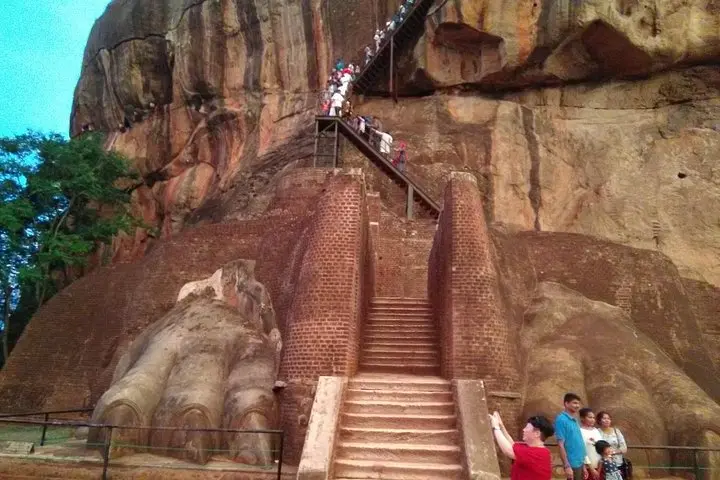
The sun is already warm when the driver eases the van into a roadside pullout and points: a wine-dark monolith rises from paddy and scrub, a sheer face scored by shadow and history. Climbing Sigiriya—known to many as Lion Rock—is less like a hike and more like walking through time. Each iron stair and jungle-cleared ledge reveals frescos, painted surfaces, and the carved remains of a guardian lion that once framed the final ascent.
The sun is already warm when the driver eases the van into a roadside pullout and points: a wine-dark monolith rises from paddy and scrub, a sheer face scored by shadow and history. Climbing Sigiriya—known to many as Lion Rock—is less like a hike and more like walking through time. Each iron stair and jungle-cleared ledge reveals frescos, painted surfaces, and the carved remains of a guardian lion that once framed the final ascent.
By midday the group shifts to cool, dim caverns of Dambulla, where the Golden Temple holds Buddha statues, gilded niches, and murals layered across centuries. The caves don’t just hold art; they keep humidity, incense, and the low hum of devotion that has threaded local life since antiquity.
Sigiriya’s geology is straightforward and dramatic: a 200-meter column of Precambrian gneiss lifted and isolated by erosion. Archaeology dates the fortress to the late 5th century CE when King Kasyapa chose the rock as a fortified capital—its water gardens, mirror walls and frescoed galleries planned with astonishing sophistication. Dambulla’s caves, converted into a monastery by Buddhist monks, preserve painted narratives and Buddha imagery that span a millennium.
There’s culture in motion here. Farmers irrigate ancient tanks, spice-sellers near the temple offer cinnamon and cardamom, and vendors sell coconut roti beneath the shade of tamarind trees. The tour usually includes a short stop at a spice and herbal exhibit—an introduction to ingredients that still flavor Sri Lankan kitchens.
Practicalities matter: the day is long—expect 12–14 hours including hotel pickup from Bentota or nearby coastal towns—and includes vehicle transfers, entrance fees, and a buffet lunch. Wear sturdy shoes for uneven steps and bring a lightweight rain layer; tropical weather can flip quickly. Respect the religious sites: cover shoulders and knees inside Dambulla and remove shoes where required. Hydrate—bottled water is included, but carry a reusable bottle for refill stations.
Timing is tactical: hit Sigiriya early to avoid heat and crowds; finish Dambulla in the softer late afternoon light. The private chauffeur-guide format means you can linger at overlooks, ask about fresco conservation, and tailor pacing to your group. For travelers with moderate fitness, the ascent rewards you with panorama that reaches across rice fields and jungle-topped ridgelines. For photographers, fresco panels and cave interiors offer rich, low-light scenes—bring a fast lens or the patience to compose.
A private day trip links geology, imperial ambition, and living culture in a single, full-bodied itinerary. It’s an education in stone and spice that feels effortless when the logistics are handled—leaving you free to climb, look, and listen to landscapes that keep pressing their stories upward.