THE ADVENTURE COLLECTIVE® · Independent discovery and booking for outdoor travel

A full‑day private tour that pairs the dizzying climb and frescoes of Sigiriya Rock with the painted sanctuaries of Dambulla Cave Temple. Perfect for travelers wanting history, geology and practical logistics handled in a single, air‑conditioned day.
A full‑day private tour that pairs the dizzying climb and frescoes of Sigiriya Rock with the painted sanctuaries of Dambulla Cave Temple. Perfect for travelers wanting history, geology and practical logistics handled in a single, air‑conditioned day.
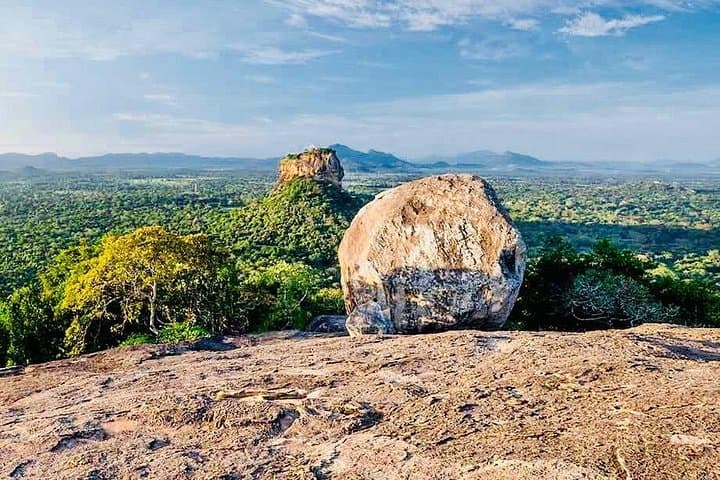
You arrive before the heat sets in: an air‑conditioned car eases out of Colombo’s traffic and the plains of the Cultural Triangle open like a page turning. Rice paddies flatten into a horizon of palms and coconut trees, and then, improbably, a sheer block of stone lifts out of green—Sigiriya, the 180‑meter rock that has watched centuries pass. The day is built around two high points: the vertiginous climb and frescoed galleries of Sigiriya’s fortress, and the dim, painted sanctuaries of the Dambulla Cave Temple.
Verified experiences and guided adventures in the surrounding area.
Operated by Sigiritrip Tours · Sigiriya, Central Province
You arrive before the heat sets in: an air‑conditioned car eases out of Colombo’s traffic and the plains of the Cultural Triangle open like a page turning. Rice paddies flatten into a horizon of palms and coconut trees, and then, improbably, a sheer block of stone lifts out of green—Sigiriya, the 180‑meter rock that has watched centuries pass. The day is built around two high points: the vertiginous climb and frescoed galleries of Sigiriya’s fortress, and the dim, painted sanctuaries of the Dambulla Cave Temple.
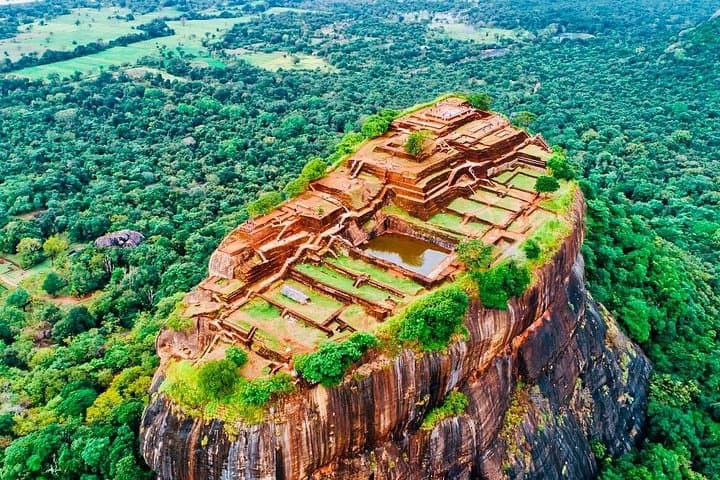
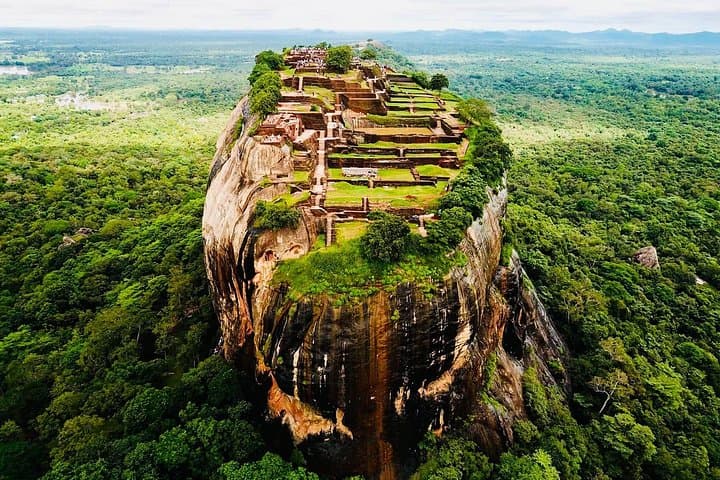
Sigiriya’s story is blunt and human: a 5th‑century palace‑fortress commissioned by King Kasyapa, later abandoned and reclaimed by jungle. Geologically it’s an ancient magma plug, a hard core that resisted erosion while softer rock wore away—hence the dramatic vertical face. The ascent moves from broad stone terraces to a series of iron stairways and narrow galleries. Climbers pass the Mirror Wall and the famous frescoes of the “Sigiriya maidens,” then arrive at flattened plateaus where foundations, cisterns and a ruined throne mark the summit.
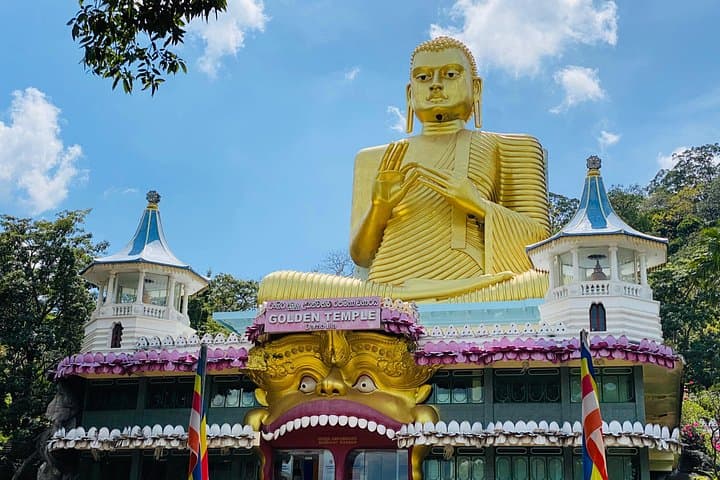
Dambulla shifts the mood from engineered splendor to spiritual hush. For 22 centuries monks carved sanctuaries into a basalt outcrop and painted walls in layered ochres; today the caves hold more than 150 Buddha images and sweeping murals covering roughly 2,100 m². The cool cave air and low light ask for quiet — and respect: shoulders and knees should be covered, shoes left at the entrance.
Local life threads the itinerary. Between sites a spice garden offers a sensory primer—cinnamon, cardamom and black pepper—reminding why Sri Lanka drew traders from across the seas. Guides explain how irrigation channels and ancient reservoirs shaped these flatlands and why the Cultural Triangle was a center of power.
Practical edge: the tour runs 8–11 hours door‑to‑door from Colombo or Negombo, with pickup included. Expect roughly 1.5–2 hours’ drive each way. The Sigiriya climb gains about 180–200 meters in elevation and includes uneven steps and exposed walkways—moderate fitness and steady footing required. Bring sun protection, a refillable water bottle, and temple‑appropriate clothing. Photography is allowed at both sites but follow signs and monk requests in Dambulla.
For visitors short on time, the private format compresses logistics—private guide, lunch at a nearby restaurant, and entrance fees handled—so the day feels less like checklist and more like a layered chapter of Sri Lanka: volcanic stone, royal ambition, devotional art and the spices that put this island on the map.
Expect about 3–4 hours one way depending on traffic and your pickup point in Colombo or Negombo.
Yes — entrance fees for Sigiriya Rock, the museum and Dambulla Cave Temple are included in the tour price.
Children can climb but should be supervised—sections include narrow stairways and exposed walkways; consider stamina and fear of heights.
Photography is generally allowed in the caves but follow signage and monk requests; flash may be discouraged in some sanctuaries.
A Western and Sri Lankan buffet lunch, snacks (fresh coconut) and bottled water are provided during the tour.
Cover shoulders and knees, remove shoes at the cave entrance, and avoid revealing or tight clothing out of respect.
Sigiritrip Tours operates guided outdoor trips and adventures with an emphasis on safety, stewardship, and memorable experiences.
You arrive before the heat sets in: an air‑conditioned car eases out of Colombo’s traffic and the plains of the Cultural Triangle open like a page turning. Rice paddies flatten into a horizon of palms and coconut trees, and then, improbably, a sheer block of stone lifts out of green—Sigiriya, the 180‑meter rock that has watched centuries pass. The day is built around two high points: the vertiginous climb and frescoed galleries of Sigiriya’s fortress, and the dim, painted sanctuaries of the Dambulla Cave Temple.
You arrive before the heat sets in: an air‑conditioned car eases out of Colombo’s traffic and the plains of the Cultural Triangle open like a page turning. Rice paddies flatten into a horizon of palms and coconut trees, and then, improbably, a sheer block of stone lifts out of green—Sigiriya, the 180‑meter rock that has watched centuries pass. The day is built around two high points: the vertiginous climb and frescoed galleries of Sigiriya’s fortress, and the dim, painted sanctuaries of the Dambulla Cave Temple.
Sigiriya’s story is blunt and human: a 5th‑century palace‑fortress commissioned by King Kasyapa, later abandoned and reclaimed by jungle. Geologically it’s an ancient magma plug, a hard core that resisted erosion while softer rock wore away—hence the dramatic vertical face. The ascent moves from broad stone terraces to a series of iron stairways and narrow galleries. Climbers pass the Mirror Wall and the famous frescoes of the “Sigiriya maidens,” then arrive at flattened plateaus where foundations, cisterns and a ruined throne mark the summit.
Dambulla shifts the mood from engineered splendor to spiritual hush. For 22 centuries monks carved sanctuaries into a basalt outcrop and painted walls in layered ochres; today the caves hold more than 150 Buddha images and sweeping murals covering roughly 2,100 m². The cool cave air and low light ask for quiet — and respect: shoulders and knees should be covered, shoes left at the entrance.
Local life threads the itinerary. Between sites a spice garden offers a sensory primer—cinnamon, cardamom and black pepper—reminding why Sri Lanka drew traders from across the seas. Guides explain how irrigation channels and ancient reservoirs shaped these flatlands and why the Cultural Triangle was a center of power.
Practical edge: the tour runs 8–11 hours door‑to‑door from Colombo or Negombo, with pickup included. Expect roughly 1.5–2 hours’ drive each way. The Sigiriya climb gains about 180–200 meters in elevation and includes uneven steps and exposed walkways—moderate fitness and steady footing required. Bring sun protection, a refillable water bottle, and temple‑appropriate clothing. Photography is allowed at both sites but follow signs and monk requests in Dambulla.
For visitors short on time, the private format compresses logistics—private guide, lunch at a nearby restaurant, and entrance fees handled—so the day feels less like checklist and more like a layered chapter of Sri Lanka: volcanic stone, royal ambition, devotional art and the spices that put this island on the map.