
Private Day Trip to Sigiriya Rock Fortress & Dambulla Cave Temple — From Sigiriya, Dambulla or Habarana
Climb the metal stairways of Sigiriya’s fifth‑century rock fortress and walk into the gilded silence of Dambulla’s cave temple on this private day trip. Skip the logistics—enjoy guided insights, hotel pickup, and a full day of Sri Lankan history and scenery.
An Adventure In Sigiriya.
Climb the metal stairways of Sigiriya’s fifth‑century rock fortress and walk into the gilded silence of Dambulla’s cave temple on this private day trip. Skip the logistics—enjoy guided insights, hotel pickup, and a full day of Sri Lankan history and scenery.
Read the full experience
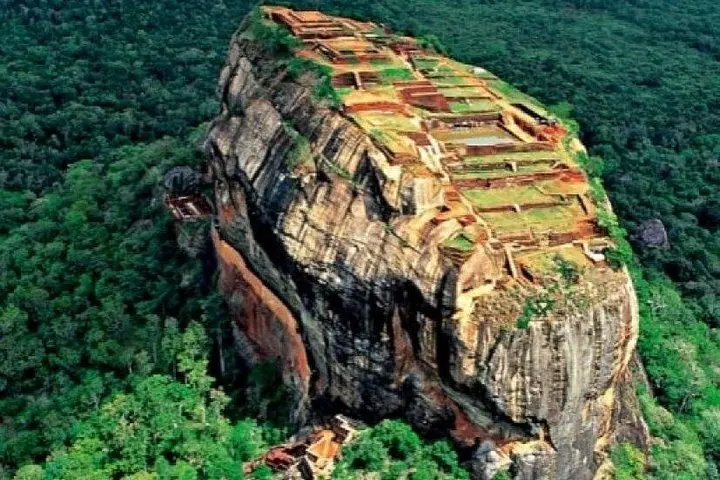
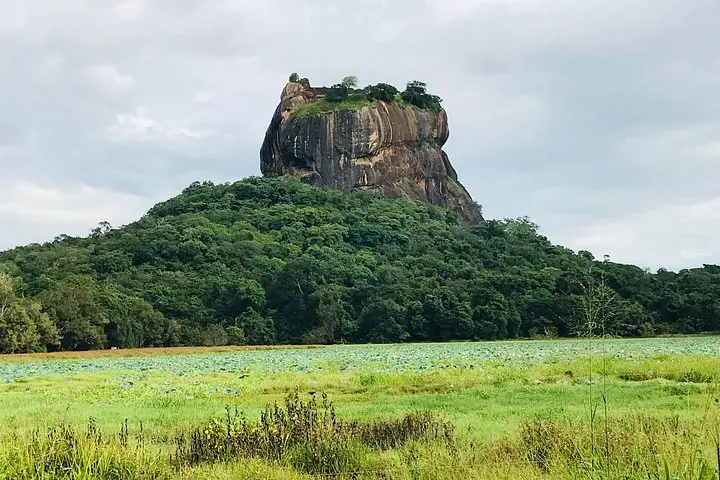
You step out of the air-conditioned van and the landscape changes—the paddy fields flatten, scrub and thorny acacia give way to a single, sudden sentinel of stone. Sigiriya rises like an upended hill, a 200‑metre slab of Precambrian rock puncturing the flat plains. The driver-guide folds up a local map and points to the metal stairway that snakes along the face. The morning air smells faintly of wet earth and diesel; somewhere nearby, a peacock declares its presence.
You step out of the air-conditioned van and the landscape changes—the paddy fields flatten, scrub and thorny acacia give way to a single, sudden sentinel of stone. Sigiriya rises like an upended hill, a 200‑metre slab of Precambrian rock puncturing the flat plains. The driver-guide folds up a local map and points to the metal stairway that snakes along the face. The morning air smells faintly of wet earth and diesel; somewhere nearby, a peacock declares its presence.
Sigiriya is more than a climb. In the fifth century, King Kasyapa built a fortified palace on the summit, cut gardens into the plains and painted frescoes in protected recesses halfway up the rock. The ruins are worn but unmistakable: the lion’s paws carved into the approach, fragmented terraces, and the mirror-wall that once reflected royal proclamations. Below, engineered water gardens still collect and channel runoff—small, precise reminders that this was a planned citadel, not a natural folly.
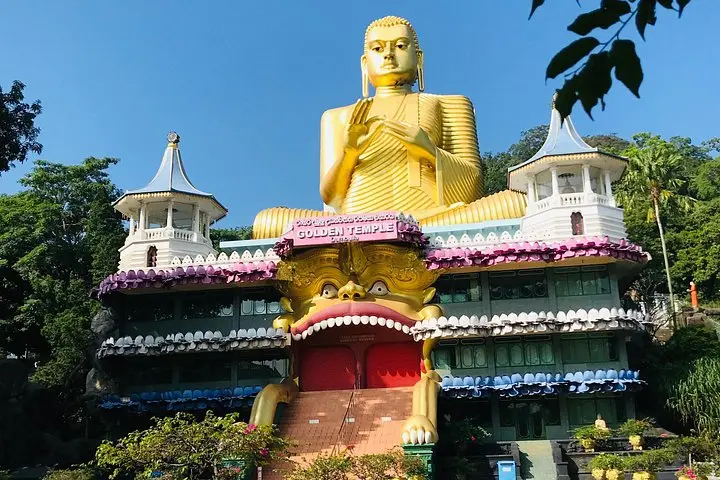
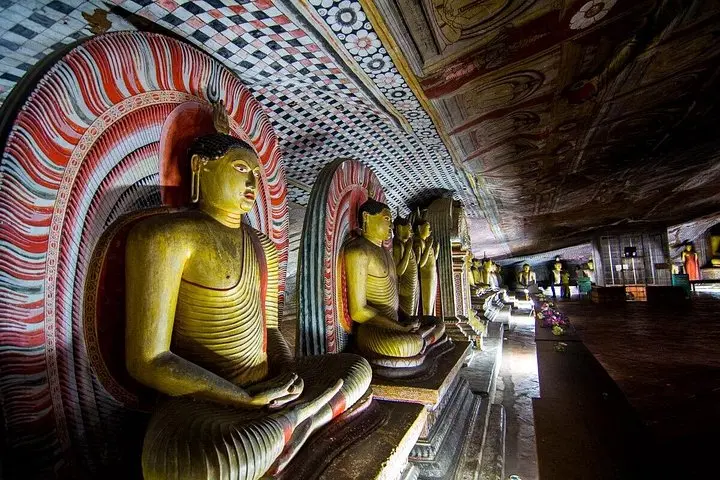
An hour’s drive away, Dambulla’s cave temple shifts the tone from civic ambition to devotional stillness. Five caverns—some redecorated as late as the 18th century—hold dozens of Buddha images in poses of teaching, resting, and meditation. Gold leaf, lotus motifs and ochre paint overlay centuries of worship; the complex’s history stretches back to the first century BC when traders and kings patronized these caves.
Culturally, the day pairs two different Sri Lankan legacies: Sigiriya’s royal spectacle and Dambulla’s monastic continuity. Geologically, the region is an island of ancient gneiss and granite surrounded by younger sedimentary plains, which explains the abruptness of the rock’s rise.
Practicalities make this a realistic day: the private transfer covers hotel pickup in Sigiriya, Dambulla or Habarana and provides bottled water, but note the tour does not include entrance fees. Expect around eight hours from pickup to drop-off, with roughly three hours at Sigiriya and three at Dambulla. The Sigiriya climb uses metal steps and narrow walkways—bring steady footwear and be ready for short, steep sections. At Dambulla you’ll need to remove shoes and cover shoulders and knees; a light sarong or scarf handles both respect and temperature swings.
Timing matters—start early to avoid heat and buses of tourists; late afternoon light is beautiful for photos but the summit fills up. Carry cash for tickets, a hat, sunscreen and insect repellent. If you want to linger, ask your guide to pause at a local rice mill or a small roadside spice stall; those stops reveal the everyday routines that support this monumental landscape.
Frequently asked questions
No—this private tour includes transport, driver-guide and bottled water, but entrance tickets for Sigiriya and Dambulla are paid separately on-site.
Expect 30–60 minutes to reach the summit depending on fitness and crowds; allow extra time for frescoes and terraces en route.
Yes—many sections are stair-based but manageable; anyone with mobility issues should discuss options with the operator prior to booking.
Yes—footwear must be removed before entering cave temples; bring easy-to-remove shoes and socks if needed.
Yes—the operator provides hotel pickup across Sigiriya, Dambulla and Habarana—confirm pickup point and time when booking.
Light, breathable clothing for the hike and a modest cover-up for the caves; sturdy shoes for Sigiriya and socks if you prefer inside temples.
About This Experience
Sigiri Journey operates guided outdoor trips and adventures with an emphasis on safety, stewardship, and memorable experiences.
Adventure tips
Recommended gear
- Sturdy walking shoes: Provides traction and comfort on metal steps, rock surfaces and temple approaches.
- Sun hat and sunscreen: Essential for exposed climbs and open water gardens during the dry season.
- Light rain jacket or poncho: Quick showers can appear during the southwest monsoon—keep a compact rain layer handy.
- Cash (small denominations): Needed for entrance fees, local purchases and tips where cards aren’t accepted.
Photos of the experience
Related adventures & guides
Read the full experience
You step out of the air-conditioned van and the landscape changes—the paddy fields flatten, scrub and thorny acacia give way to a single, sudden sentinel of stone. Sigiriya rises like an upended hill, a 200‑metre slab of Precambrian rock puncturing the flat plains. The driver-guide folds up a local map and points to the metal stairway that snakes along the face. The morning air smells faintly of wet earth and diesel; somewhere nearby, a peacock declares its presence.
You step out of the air-conditioned van and the landscape changes—the paddy fields flatten, scrub and thorny acacia give way to a single, sudden sentinel of stone. Sigiriya rises like an upended hill, a 200‑metre slab of Precambrian rock puncturing the flat plains. The driver-guide folds up a local map and points to the metal stairway that snakes along the face. The morning air smells faintly of wet earth and diesel; somewhere nearby, a peacock declares its presence.
Sigiriya is more than a climb. In the fifth century, King Kasyapa built a fortified palace on the summit, cut gardens into the plains and painted frescoes in protected recesses halfway up the rock. The ruins are worn but unmistakable: the lion’s paws carved into the approach, fragmented terraces, and the mirror-wall that once reflected royal proclamations. Below, engineered water gardens still collect and channel runoff—small, precise reminders that this was a planned citadel, not a natural folly.
An hour’s drive away, Dambulla’s cave temple shifts the tone from civic ambition to devotional stillness. Five caverns—some redecorated as late as the 18th century—hold dozens of Buddha images in poses of teaching, resting, and meditation. Gold leaf, lotus motifs and ochre paint overlay centuries of worship; the complex’s history stretches back to the first century BC when traders and kings patronized these caves.
Culturally, the day pairs two different Sri Lankan legacies: Sigiriya’s royal spectacle and Dambulla’s monastic continuity. Geologically, the region is an island of ancient gneiss and granite surrounded by younger sedimentary plains, which explains the abruptness of the rock’s rise.
Practicalities make this a realistic day: the private transfer covers hotel pickup in Sigiriya, Dambulla or Habarana and provides bottled water, but note the tour does not include entrance fees. Expect around eight hours from pickup to drop-off, with roughly three hours at Sigiriya and three at Dambulla. The Sigiriya climb uses metal steps and narrow walkways—bring steady footwear and be ready for short, steep sections. At Dambulla you’ll need to remove shoes and cover shoulders and knees; a light sarong or scarf handles both respect and temperature swings.
Timing matters—start early to avoid heat and buses of tourists; late afternoon light is beautiful for photos but the summit fills up. Carry cash for tickets, a hat, sunscreen and insect repellent. If you want to linger, ask your guide to pause at a local rice mill or a small roadside spice stall; those stops reveal the everyday routines that support this monumental landscape.
Make a day of it nearby.
Verified experiences and guided adventures in the surrounding area.