THE ADVENTURE COLLECTIVE® · Independent discovery and booking for outdoor travel

Trade Lisbon’s grid for a day of hills, sea cliffs and palace folies on a private tour through Sintra and Cascais Natural Park. This full-day route pairs short walks with coastal viewpoints and local insights to make the most of Portugal’s west coast in one seamless day.
Trade Lisbon’s grid for a day of hills, sea cliffs and palace folies on a private tour through Sintra and Cascais Natural Park. This full-day route pairs short walks with coastal viewpoints and local insights to make the most of Portugal’s west coast in one seamless day.
A mist-slick morning lifts off the hills as the vehicle threads out of Lisbon, and the urban buzz slips behind you. Within half an hour the road bends into the Serra de Sintra and pines press close; the driver eases into a viewpoint and the palace roofs peek through fog like props on a stage. This is a day that trades traffic for cliffs, baroque facades for wind-sculpted shorelines — a compressed sweep through UNESCO-listed landscapes with a local at the wheel to explain how each place fits into Portugal’s story.
Verified experiences and guided adventures in the surrounding area.
Operated by Magic Tours · Sintra, Lisbon District
A mist-slick morning lifts off the hills as the vehicle threads out of Lisbon, and the urban buzz slips behind you. Within half an hour the road bends into the Serra de Sintra and pines press close; the driver eases into a viewpoint and the palace roofs peek through fog like props on a stage. This is a day that trades traffic for cliffs, baroque facades for wind-sculpted shorelines — a compressed sweep through UNESCO-listed landscapes with a local at the wheel to explain how each place fits into Portugal’s story.
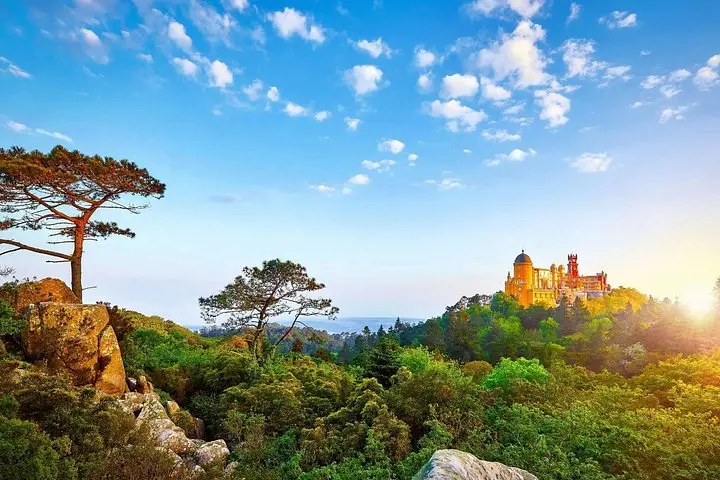
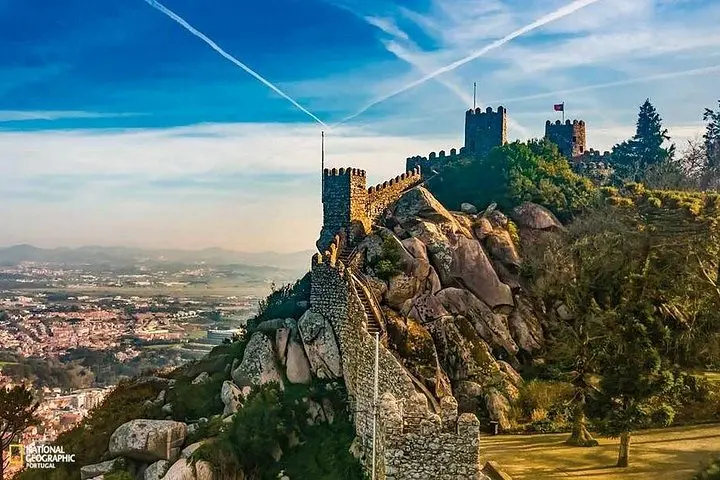
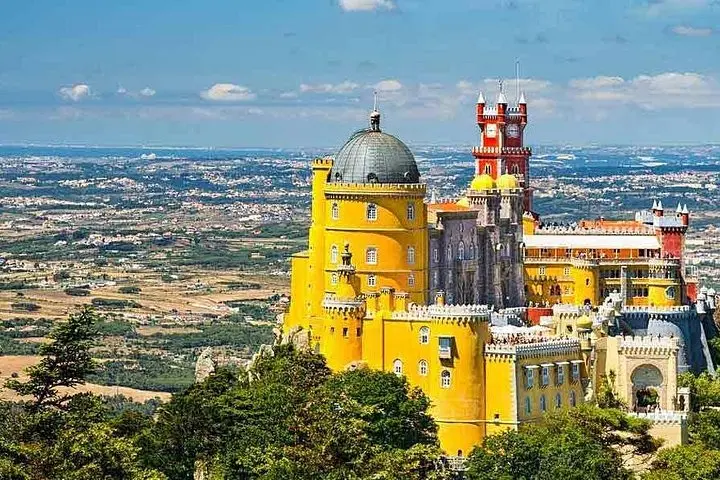
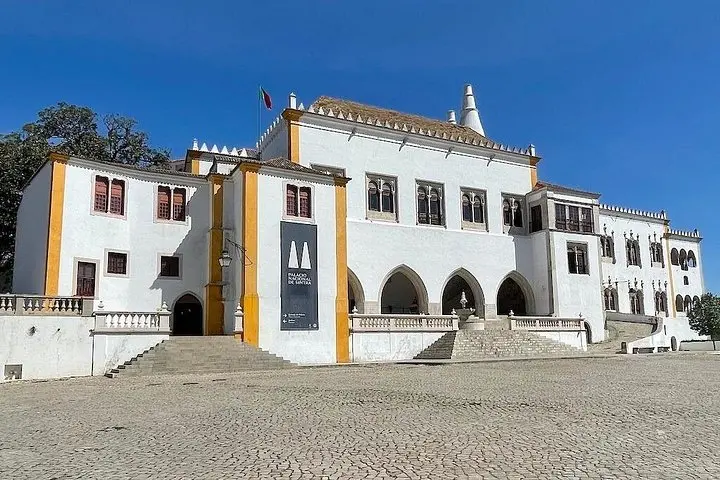
Sintra’s eccentric skyline — Moorish towers, Romantic palaces and 19th-century follies — reflects geological restlessness. Granite outcrops and schist underlie the hills, forcing moss and oak into tight, ancient pockets that feed springs and microclimates. The tour typically pauses for a photo and a short walk at Pena’s outer terraces, then moves to the quieter Pena Park trails where you can feel the hill’s rise underfoot: short flights of stone steps and ramps, not technical but uneven.
Heading west, the road peels toward Cabo da Roca — the literal edge of continental Europe. The cliff grabs the Atlantic and the lighthouse still calls out to ships; historical records note fortifications here from the 17th century when coastal defenses guarded Lisbon’s approaches. Wind is the landscape’s dramaturge at Cabo da Roca and Praia do Guincho, and it reshapes both waves and local life: Guincho is a magnet for surfers and wind-sports, while Cascais down the road reads as a calmer postscript with its marina, civic palaces and seafood taverns.
The day mixes short walks — Peninha Sanctuary at 488 meters offers a higher viewpoint — with relaxed drives. A local driver-guide handles parking, small logistics and timing so visitors maximize light and avoid long lines in town centers.
Practical guidance: the full-day private tour runs roughly 7–8 hours and includes bottled water, tolls and pickup in Lisbon. Comfortable walking shoes are wise — cobbled lanes and cliff-edge paths are forgiving but irregular. Layering is essential: mornings in the Serra can be cool and foggy while afternoons on the coast warm under Atlantic sun. Allow time for a pastel de nata or Sintra’s travesseiro in the town center; lunch in Cascais is the practical reward for a day of varied scenery.
Reserve mornings for Sintra to catch softer light and fewer crowds. For photographers, the cliff edges and palace terraces deliver the widest, cleanest vistas; for families or those with limited mobility, the private format means pacing can be adapted. The route is as much about transitions — wood to rock to sea — as it is about any single monument. It’s a compact primer on Portugal’s wild west of culture and coastline, best experienced at the pace set by an attentive local driver.
Yes — pickup and drop-off from most Lisbon hotels are included; you’ll confirm a pickup point when booking.
No — admissions to specific monuments like Pena Palace or museums are typically not included; the tour focuses on guided drives and viewpoints.
Expect short, mostly non-technical walks of 10–30 minutes at viewpoints and palace exteriors; the day is designed to be accessible to most travelers.
This private tour can be adapted for pace and interests—discuss priorities like more beach time or longer stops in Sintra when booking.
Yes — the operator notes stroller accessibility for infants and small children, though some viewpoints have steps or uneven ground.
Language options vary by guide; confirm available languages when you book to ensure clear communication.
Magic Tours operates guided outdoor trips and adventures with an emphasis on safety, stewardship, and memorable experiences.
A mist-slick morning lifts off the hills as the vehicle threads out of Lisbon, and the urban buzz slips behind you. Within half an hour the road bends into the Serra de Sintra and pines press close; the driver eases into a viewpoint and the palace roofs peek through fog like props on a stage. This is a day that trades traffic for cliffs, baroque facades for wind-sculpted shorelines — a compressed sweep through UNESCO-listed landscapes with a local at the wheel to explain how each place fits into Portugal’s story.
A mist-slick morning lifts off the hills as the vehicle threads out of Lisbon, and the urban buzz slips behind you. Within half an hour the road bends into the Serra de Sintra and pines press close; the driver eases into a viewpoint and the palace roofs peek through fog like props on a stage. This is a day that trades traffic for cliffs, baroque facades for wind-sculpted shorelines — a compressed sweep through UNESCO-listed landscapes with a local at the wheel to explain how each place fits into Portugal’s story.
Sintra’s eccentric skyline — Moorish towers, Romantic palaces and 19th-century follies — reflects geological restlessness. Granite outcrops and schist underlie the hills, forcing moss and oak into tight, ancient pockets that feed springs and microclimates. The tour typically pauses for a photo and a short walk at Pena’s outer terraces, then moves to the quieter Pena Park trails where you can feel the hill’s rise underfoot: short flights of stone steps and ramps, not technical but uneven.
Heading west, the road peels toward Cabo da Roca — the literal edge of continental Europe. The cliff grabs the Atlantic and the lighthouse still calls out to ships; historical records note fortifications here from the 17th century when coastal defenses guarded Lisbon’s approaches. Wind is the landscape’s dramaturge at Cabo da Roca and Praia do Guincho, and it reshapes both waves and local life: Guincho is a magnet for surfers and wind-sports, while Cascais down the road reads as a calmer postscript with its marina, civic palaces and seafood taverns.
The day mixes short walks — Peninha Sanctuary at 488 meters offers a higher viewpoint — with relaxed drives. A local driver-guide handles parking, small logistics and timing so visitors maximize light and avoid long lines in town centers.
Practical guidance: the full-day private tour runs roughly 7–8 hours and includes bottled water, tolls and pickup in Lisbon. Comfortable walking shoes are wise — cobbled lanes and cliff-edge paths are forgiving but irregular. Layering is essential: mornings in the Serra can be cool and foggy while afternoons on the coast warm under Atlantic sun. Allow time for a pastel de nata or Sintra’s travesseiro in the town center; lunch in Cascais is the practical reward for a day of varied scenery.
Reserve mornings for Sintra to catch softer light and fewer crowds. For photographers, the cliff edges and palace terraces deliver the widest, cleanest vistas; for families or those with limited mobility, the private format means pacing can be adapted. The route is as much about transitions — wood to rock to sea — as it is about any single monument. It’s a compact primer on Portugal’s wild west of culture and coastline, best experienced at the pace set by an attentive local driver.