THE ADVENTURE COLLECTIVE® · Independent discovery and booking for outdoor travel

Spend a full day tracking large elephant herds and baobab-dotted plains on a private safari to Tarangire National Park. This full-day trip from Moshi concentrates wildlife viewing along the park’s river corridors and offers close-up encounters with classic East African species.
Spend a full day tracking large elephant herds and baobab-dotted plains on a private safari to Tarangire National Park. This full-day trip from Moshi concentrates wildlife viewing along the park’s river corridors and offers close-up encounters with classic East African species.
You crest a red-dust road and the landscape opens: a wide plain punctuated by the flattened crowns of ancient baobabs, the Tarangire River threading a green ribbon through acacia woodland. The air tastes of dust and summer leaves; elephants move like deliberate islands, and birds call as if marking territory.
Verified experiences and guided adventures in the surrounding area.
Operated by Msafiri Tanzania · Tarangire National Park, Manyara Region
You crest a red-dust road and the landscape opens: a wide plain punctuated by the flattened crowns of ancient baobabs, the Tarangire River threading a green ribbon through acacia woodland. The air tastes of dust and summer leaves; elephants move like deliberate islands, and birds call as if marking territory.
Tarangire sits on the southern edge of Tanzania’s northern safari circuit and plays a distinct role in regional ecology. The park’s seasonal river sustains life through the dry months, concentrating wildlife into observable pockets and making it one of the best places in northern Tanzania to watch large elephant herds and migrant grazers. Geologically the park lies on the rift-shoulder landscape, with soils and drainage shaped by ancient tectonic events that give rise to the park’s mix of swamps, riverine strips and dry woodlands.
Local Maasai communities share cultural ties to the land and livestock grazing remains part of the seasonal landscape — you’ll often see herders and donkeys at the park margins.
Practical guidance: expect a long day in a 4x4 vehicle (transport time included), with game drives focused around watering areas. Bring layered sun protection, insect repellent, and a camera with a decent zoom; binoculars are invaluable. The park is best visited during the dry season when wildlife concentrates near water, but birding peaks in wetter months. Tours from Moshi typically include bottled water and lunch and are suitable for most fitness levels — most observation happens from the vehicle, with short walks rare and guided.
The operator notes roughly a 4-hour drive from Moshi each way; exact time varies with traffic and road conditions.
Yes — typical full-day tours include bottled water and a boxed or lodge-style lunch as part of the trip inclusions.
Tours accept families; infants are usually required to sit on an adult’s lap and operators can advise on comfort and safety for young children.
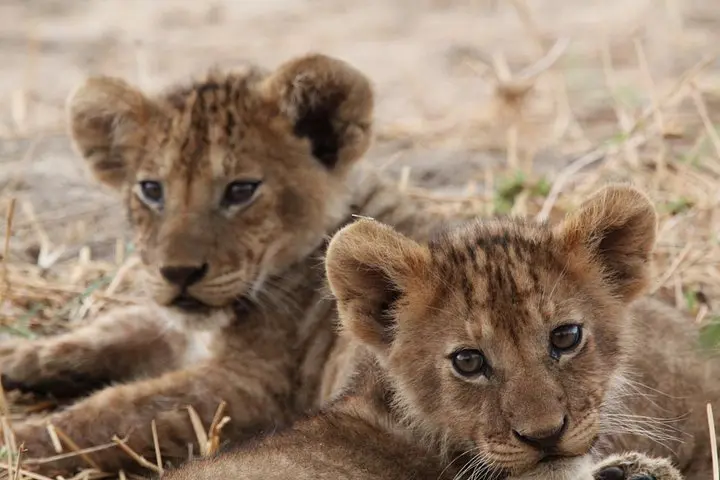
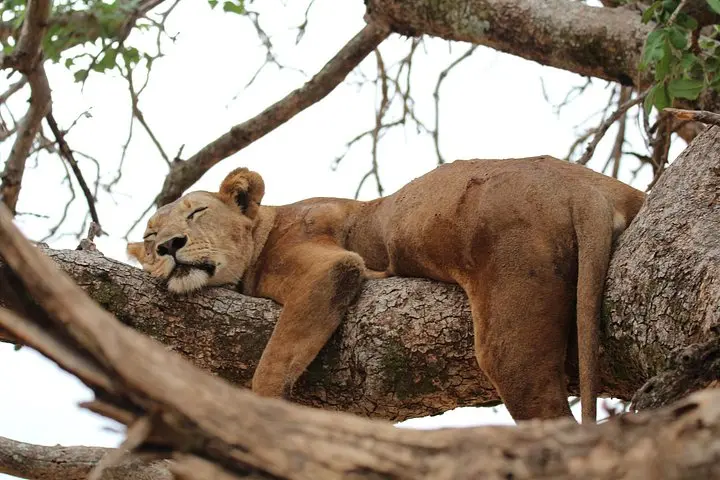
Tarangire is known for large elephant herds, giraffes, zebras, antelope species, and a rich bird community; lions and leopards can also be present but sightings are not guaranteed.
Msafiri Tanzania operates guided outdoor trips and adventures with an emphasis on safety, stewardship, and memorable experiences.
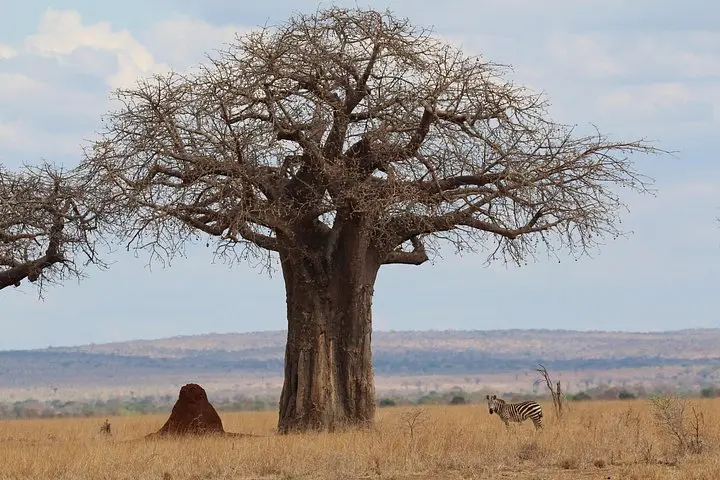
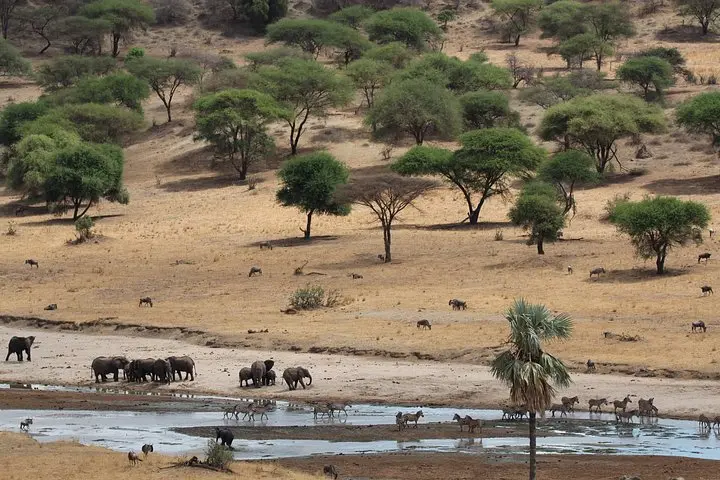
You crest a red-dust road and the landscape opens: a wide plain punctuated by the flattened crowns of ancient baobabs, the Tarangire River threading a green ribbon through acacia woodland. The air tastes of dust and summer leaves; elephants move like deliberate islands, and birds call as if marking territory.
You crest a red-dust road and the landscape opens: a wide plain punctuated by the flattened crowns of ancient baobabs, the Tarangire River threading a green ribbon through acacia woodland. The air tastes of dust and summer leaves; elephants move like deliberate islands, and birds call as if marking territory.
Tarangire sits on the southern edge of Tanzania’s northern safari circuit and plays a distinct role in regional ecology. The park’s seasonal river sustains life through the dry months, concentrating wildlife into observable pockets and making it one of the best places in northern Tanzania to watch large elephant herds and migrant grazers. Geologically the park lies on the rift-shoulder landscape, with soils and drainage shaped by ancient tectonic events that give rise to the park’s mix of swamps, riverine strips and dry woodlands.
Local Maasai communities share cultural ties to the land and livestock grazing remains part of the seasonal landscape — you’ll often see herders and donkeys at the park margins.
Practical guidance: expect a long day in a 4x4 vehicle (transport time included), with game drives focused around watering areas. Bring layered sun protection, insect repellent, and a camera with a decent zoom; binoculars are invaluable. The park is best visited during the dry season when wildlife concentrates near water, but birding peaks in wetter months. Tours from Moshi typically include bottled water and lunch and are suitable for most fitness levels — most observation happens from the vehicle, with short walks rare and guided.