THE ADVENTURE COLLECTIVE® · Independent discovery and booking for outdoor travel

Travel from Prague to Terezín for a guided, private day exploring the fortress, the Ghetto Museum and memorials that tell the complex WWII history of the site. This 5–8 hour tour balances factual interpretation with time for reflection.
Travel from Prague to Terezín for a guided, private day exploring the fortress, the Ghetto Museum and memorials that tell the complex WWII history of the site. This 5–8 hour tour balances factual interpretation with time for reflection.
You step off the coach and the town’s blunt 18th-century fortifications confront you: brick bastions, narrow barracks windows, and a wind that moves through the parade ground like a quiet messenger. The compact streets of Terezín (Theresienstadt) feel deliberate — built as a military fortress, refashioned by history into a site where ordinary architecture holds extraordinary stories.
Verified experiences and guided adventures in the surrounding area.
Operated by Yo Tours · Terezín, Ústí nad Labem Region
You step off the coach and the town’s blunt 18th-century fortifications confront you: brick bastions, narrow barracks windows, and a wind that moves through the parade ground like a quiet messenger. The compact streets of Terezín (Theresienstadt) feel deliberate — built as a military fortress, refashioned by history into a site where ordinary architecture holds extraordinary stories.
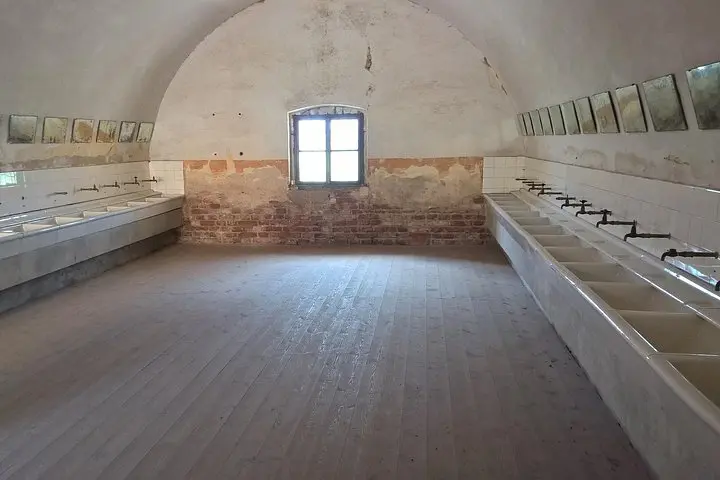
The town was laid out as an Austrian imperial fortress in the late 1700s; in World War II the Nazis turned it into a ghetto and transit camp where thousands were concentrated before deportation to extermination camps. Today the Small Fortress, the Ghetto Museum in the Magdeburg Barracks and several cemeteries present layered narratives: military engineering, wartime bureaucracy, and the cultural life that persisted under siege. Exhibits include original documents, prisoner artwork and preserved cells that make the administrative machinery and human cost tangible.
A private, 5–8 hour day trip from Prague gives room for museum time, a guided walk of the ramparts and a pause at the memorial sites. Expect several hours of standing and walking on cobblestones and uneven surfaces; admission fees are commonly separate from private-guide costs. The subject matter is heavy — guides balance factual detail with sensitivity — so bring patience and plan for quiet reflection. Morning departures avoid larger coach groups; wear sturdy shoes, layers for wind on the open bastions, and carry water. Photography is generally allowed in outdoor areas but may be restricted inside certain exhibitions — follow your guide’s directions and respect signage.
Most private tours list guide services separately; many museum and memorial admissions are not included—confirm with your operator before booking.
Some outdoor ramparts and paths are uneven; portions of the museums have ramps or elevators but access is limited in older buildings—notify your guide to plan accommodations.
A focused visit to the key memorials and the Ghetto Museum can take 3–4 hours; a private day trip from Prague allows 5–8 hours including transport and relaxed pacing.
Photography is usually permitted outdoors and in many exhibits, but restrictions apply in specific rooms and for certain artifacts—always follow signage and the guide’s instructions.
Yo Tours operates guided outdoor trips and adventures with an emphasis on safety, stewardship, and memorable experiences.
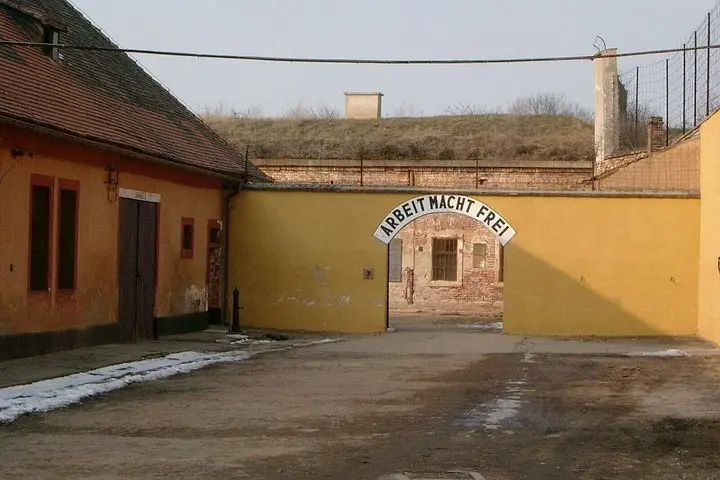
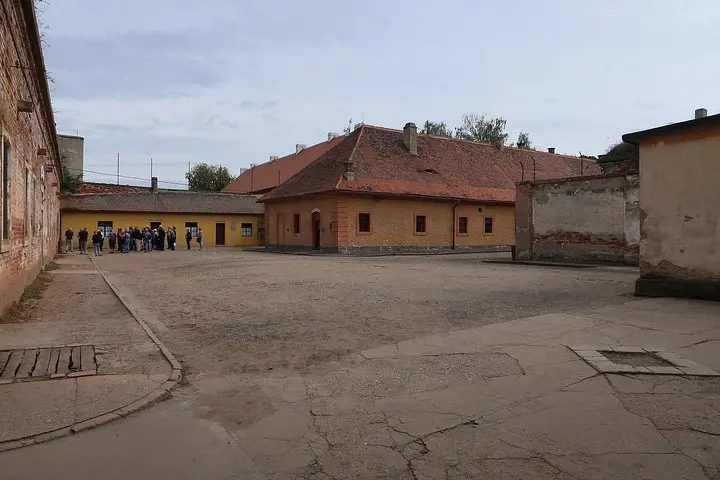
You step off the coach and the town’s blunt 18th-century fortifications confront you: brick bastions, narrow barracks windows, and a wind that moves through the parade ground like a quiet messenger. The compact streets of Terezín (Theresienstadt) feel deliberate — built as a military fortress, refashioned by history into a site where ordinary architecture holds extraordinary stories.
You step off the coach and the town’s blunt 18th-century fortifications confront you: brick bastions, narrow barracks windows, and a wind that moves through the parade ground like a quiet messenger. The compact streets of Terezín (Theresienstadt) feel deliberate — built as a military fortress, refashioned by history into a site where ordinary architecture holds extraordinary stories.
The town was laid out as an Austrian imperial fortress in the late 1700s; in World War II the Nazis turned it into a ghetto and transit camp where thousands were concentrated before deportation to extermination camps. Today the Small Fortress, the Ghetto Museum in the Magdeburg Barracks and several cemeteries present layered narratives: military engineering, wartime bureaucracy, and the cultural life that persisted under siege. Exhibits include original documents, prisoner artwork and preserved cells that make the administrative machinery and human cost tangible.
A private, 5–8 hour day trip from Prague gives room for museum time, a guided walk of the ramparts and a pause at the memorial sites. Expect several hours of standing and walking on cobblestones and uneven surfaces; admission fees are commonly separate from private-guide costs. The subject matter is heavy — guides balance factual detail with sensitivity — so bring patience and plan for quiet reflection. Morning departures avoid larger coach groups; wear sturdy shoes, layers for wind on the open bastions, and carry water. Photography is generally allowed in outdoor areas but may be restricted inside certain exhibitions — follow your guide’s directions and respect signage.