THE ADVENTURE COLLECTIVE® · Independent discovery and booking for outdoor travel

Make the most of a long day from New Delhi with a private, skip-the-line visit to the Taj Mahal and Agra Fort. Early starts, proper ID, and a plan for light walking turn a marathon day into an efficient and unforgettable cultural experience.
Make the most of a long day from New Delhi with a private, skip-the-line visit to the Taj Mahal and Agra Fort. Early starts, proper ID, and a plan for light walking turn a marathon day into an efficient and unforgettable cultural experience.
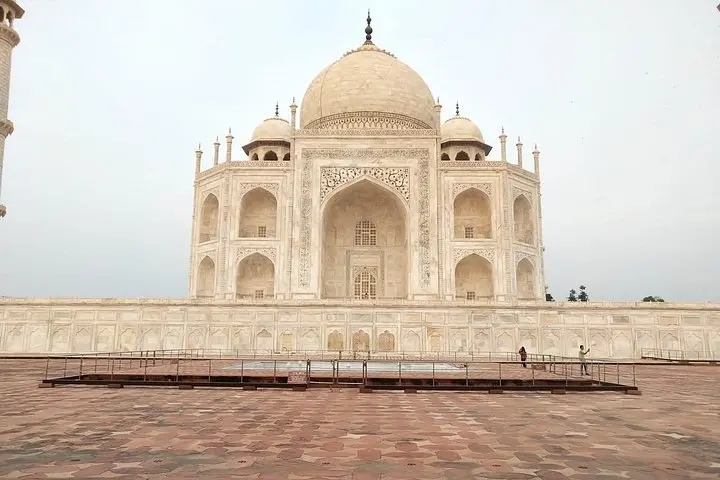
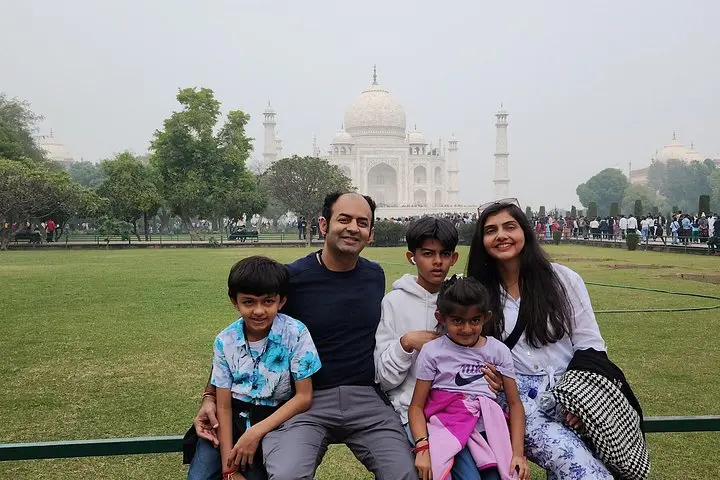
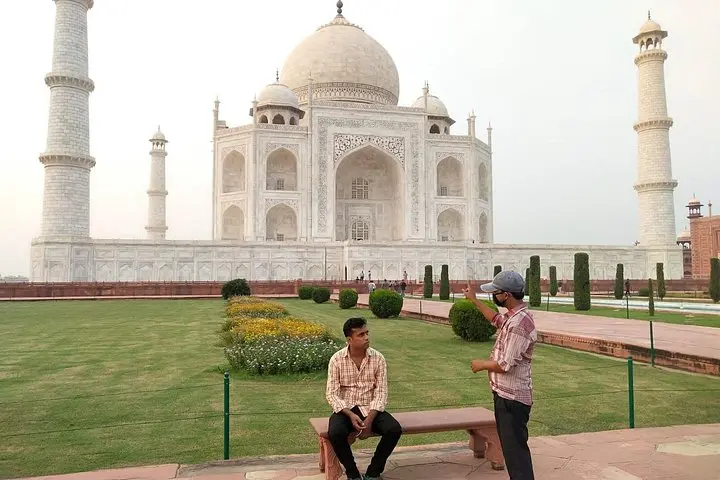
Before sunlight fully warms the plains between Delhi and Agra, your car eases onto the highway and the landscape flattens into a ribbon of fields and villages. By the time the Taj Mahal appears across the lawns, the marble is changing color—pale pink, pearly white, then silver—as the sun climbs. The mausoleum’s lawned approach frames the tomb like a deliberate composition; the Yamuna murmurs behind it, an attentive neighbor.
Verified experiences and guided adventures in the surrounding area.
Operated by Enchanting India Trips · Agra, Uttar Pradesh
Before sunlight fully warms the plains between Delhi and Agra, your car eases onto the highway and the landscape flattens into a ribbon of fields and villages. By the time the Taj Mahal appears across the lawns, the marble is changing color—pale pink, pearly white, then silver—as the sun climbs. The mausoleum’s lawned approach frames the tomb like a deliberate composition; the Yamuna murmurs behind it, an attentive neighbor.
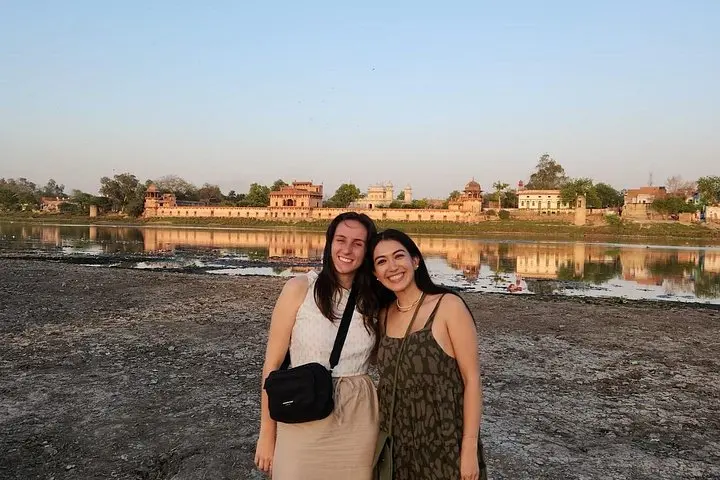
Built from 1631 after Emperor Shah Jahan’s loss of Mumtaz Mahal, the Taj is an exercise in measured symmetry and marble craft. Makrana marble, pietra dura inlay, and calligraphic stonework reflect Mughal priorities—order, luxury, and skilled labor coordinated across decades. Nearby, Agra Fort catalogs the empire’s changing politics; Mehtab Bagh across the river offers a quieter skyline view.
Practical guidance matters here: aim for the earliest entry to catch cooler air and gentler light and to avoid crowds. The drive from New Delhi takes roughly three hours each way, so expect a 12–14 hour door-to-door day. Bring a passport or ID for ticketing, wear comfortable shoes for walking on stone and lawns, and pack sun protection—shade is limited on the esplanade. Photography is welcome outside and in most courtyards, but tripods and drone use are restricted and guards enforce rules.
This private tour style bundles transport, a professional guide, and often skip-the-line access—useful for squeezing Agra Fort and a rooftop lunch into a single day. Move deliberately through the site: its details reward inspection more than hurried snapshots.
Expect about three hours each way on the expressway, depending on traffic; plan the itinerary for a 12–14 hour day.
Many private tour options include skip-the-line tickets; confirm when booking whether foreign or local entry fees are covered.
Tripods and drones are generally prohibited—check with your operator and pack light to avoid issues at security.
Key areas and transport on many tours are wheelchair accessible, but some interiors have steps—notify the operator in advance for accommodations.
Enchanting India Trips operates guided outdoor trips and adventures with an emphasis on safety, stewardship, and memorable experiences.
Before sunlight fully warms the plains between Delhi and Agra, your car eases onto the highway and the landscape flattens into a ribbon of fields and villages. By the time the Taj Mahal appears across the lawns, the marble is changing color—pale pink, pearly white, then silver—as the sun climbs. The mausoleum’s lawned approach frames the tomb like a deliberate composition; the Yamuna murmurs behind it, an attentive neighbor.
Before sunlight fully warms the plains between Delhi and Agra, your car eases onto the highway and the landscape flattens into a ribbon of fields and villages. By the time the Taj Mahal appears across the lawns, the marble is changing color—pale pink, pearly white, then silver—as the sun climbs. The mausoleum’s lawned approach frames the tomb like a deliberate composition; the Yamuna murmurs behind it, an attentive neighbor.
Built from 1631 after Emperor Shah Jahan’s loss of Mumtaz Mahal, the Taj is an exercise in measured symmetry and marble craft. Makrana marble, pietra dura inlay, and calligraphic stonework reflect Mughal priorities—order, luxury, and skilled labor coordinated across decades. Nearby, Agra Fort catalogs the empire’s changing politics; Mehtab Bagh across the river offers a quieter skyline view.
Practical guidance matters here: aim for the earliest entry to catch cooler air and gentler light and to avoid crowds. The drive from New Delhi takes roughly three hours each way, so expect a 12–14 hour door-to-door day. Bring a passport or ID for ticketing, wear comfortable shoes for walking on stone and lawns, and pack sun protection—shade is limited on the esplanade. Photography is welcome outside and in most courtyards, but tripods and drone use are restricted and guards enforce rules.
This private tour style bundles transport, a professional guide, and often skip-the-line access—useful for squeezing Agra Fort and a rooftop lunch into a single day. Move deliberately through the site: its details reward inspection more than hurried snapshots.