THE ADVENTURE COLLECTIVE® · Independent discovery and booking for outdoor travel

Spend a full day away from Rome exploring Hadrian’s imperial estate and the engineered splendor of Villa d'Este. This private tour combines skip-the-line access, expert narration, and a deep dive into Roman and Renaissance landscape craft.
Spend a full day away from Rome exploring Hadrian’s imperial estate and the engineered splendor of Villa d'Este. This private tour combines skip-the-line access, expert narration, and a deep dive into Roman and Renaissance landscape craft.
Arrive in Tivoli and the air shifts: water hurls itself through terraces, statues keep quiet watch, and stone worn by emperors underfoot remembers generations of footsteps.
Verified experiences and guided adventures in the surrounding area.
Operated by RomaExperience Tours · Tivoli, Lazio
Arrive in Tivoli and the air shifts: water hurls itself through terraces, statues keep quiet watch, and stone worn by emperors underfoot remembers generations of footsteps.
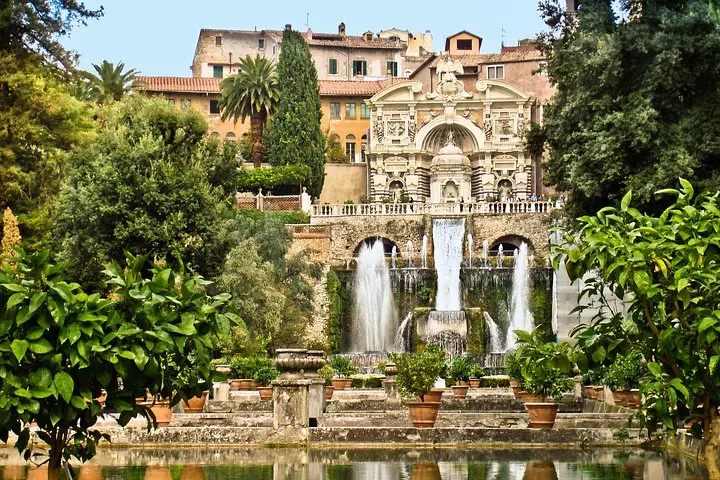
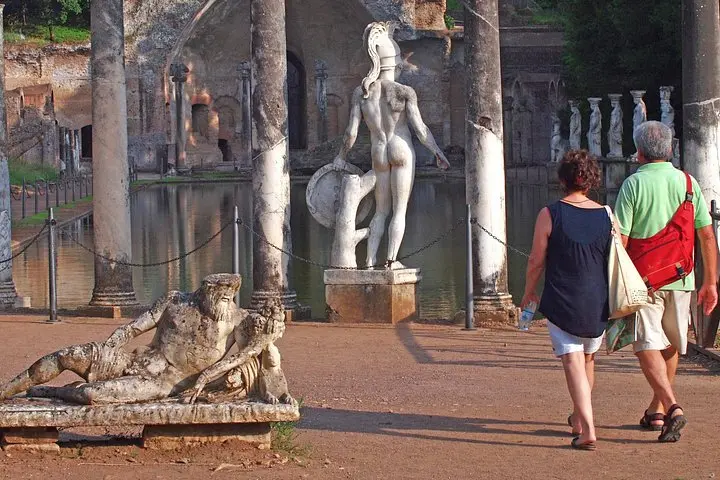
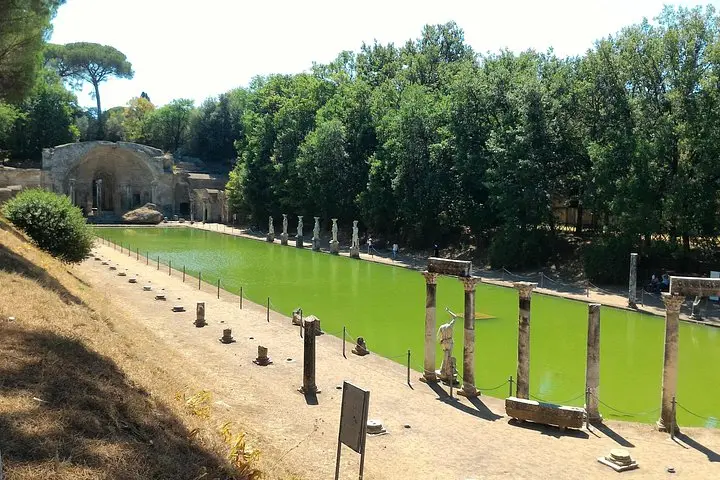
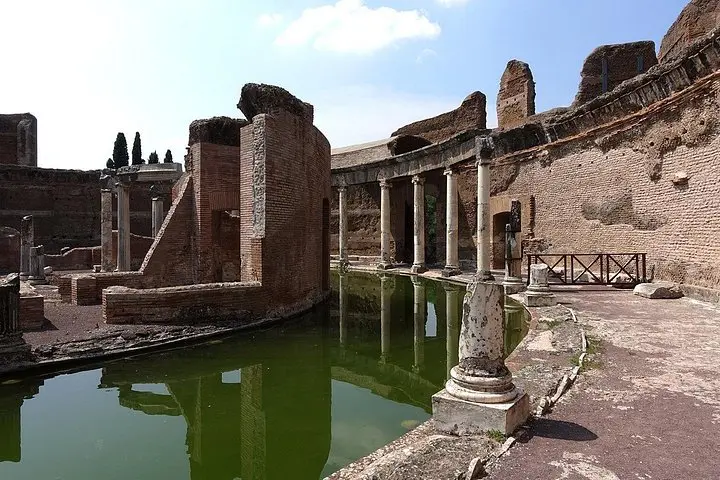
The day begins with Hadrian's Villa (Villa Adriana), a sprawling 2nd-century AD complex Emperor Hadrian built as more than a country house — a small, engineered empire of baths, theaters on water, and a purpose-built academy. The villa’s ruins sit on travertine and volcanic tuff, stones hewn when central Italy still whispered its ancient volcanic past. Later, Villa d'Este unfolds its Renaissance plan: 16th-century hydraulics push over 100 fountains and cascades, gravity arranged like a choreographed force that still animates statues and stairways.
Culturally the two sites bookend Roman ambition and Renaissance reinvention. Artists from Michelangelo to later landscape architects studied these compositions; today they remain UNESCO-listed examples of engineered gardens and imperial leisure.
Practically, expect uneven Roman-era paving, long staircases and sustained walking across both sites. The tour includes hotel pickup in Rome and skip-the-line admissions, but mornings are best for clearer light and quieter fountains. Bring layered footwear for stone and steps, a refillable water bottle, and a charged camera—fountains and framed ruins reward patient composition. Note that mobility access is limited in places; plan for about eight hours including transport. Respect ropes and paths: erosion and fragile hydraulics depend on visitors staying on marked routes. By afternoon you end back in Rome with a clearer sense of how water, stone and power shaped two eras of Italian landscape design.
Yes—this private tour includes hotel pickup and return within central Rome by air-conditioned car.
Yes—skip-the-line admission for both Hadrian’s Villa and Villa d'Este is included in the booking.
Not fully—both sites have many steps and uneven surfaces; the tour is not suitable for standard wheelchairs in most areas.
Typical itinerary allocates about two hours at Villa d'Este and three hours at Hadrian’s Villa, plus transport time and guide commentary.
RomaExperience Tours operates guided outdoor trips and adventures with an emphasis on safety, stewardship, and memorable experiences.
Arrive in Tivoli and the air shifts: water hurls itself through terraces, statues keep quiet watch, and stone worn by emperors underfoot remembers generations of footsteps.
Arrive in Tivoli and the air shifts: water hurls itself through terraces, statues keep quiet watch, and stone worn by emperors underfoot remembers generations of footsteps.
The day begins with Hadrian's Villa (Villa Adriana), a sprawling 2nd-century AD complex Emperor Hadrian built as more than a country house — a small, engineered empire of baths, theaters on water, and a purpose-built academy. The villa’s ruins sit on travertine and volcanic tuff, stones hewn when central Italy still whispered its ancient volcanic past. Later, Villa d'Este unfolds its Renaissance plan: 16th-century hydraulics push over 100 fountains and cascades, gravity arranged like a choreographed force that still animates statues and stairways.
Culturally the two sites bookend Roman ambition and Renaissance reinvention. Artists from Michelangelo to later landscape architects studied these compositions; today they remain UNESCO-listed examples of engineered gardens and imperial leisure.
Practically, expect uneven Roman-era paving, long staircases and sustained walking across both sites. The tour includes hotel pickup in Rome and skip-the-line admissions, but mornings are best for clearer light and quieter fountains. Bring layered footwear for stone and steps, a refillable water bottle, and a charged camera—fountains and framed ruins reward patient composition. Note that mobility access is limited in places; plan for about eight hours including transport. Respect ropes and paths: erosion and fragile hydraulics depend on visitors staying on marked routes. By afternoon you end back in Rome with a clearer sense of how water, stone and power shaped two eras of Italian landscape design.