THE ADVENTURE COLLECTIVE® · Independent discovery and booking for outdoor travel

Spend a full day exploring Toledo’s hilltop streets, cathedral art and panoramic viewpoints on a private, customizable tour from Madrid. Expect guided access to El Greco highlights, medieval quarters and dramatic river views.
Spend a full day exploring Toledo’s hilltop streets, cathedral art and panoramic viewpoints on a private, customizable tour from Madrid. Expect guided access to El Greco highlights, medieval quarters and dramatic river views.
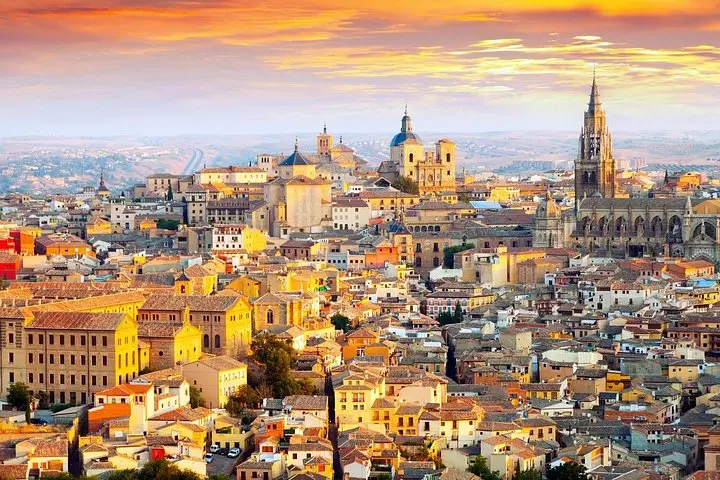
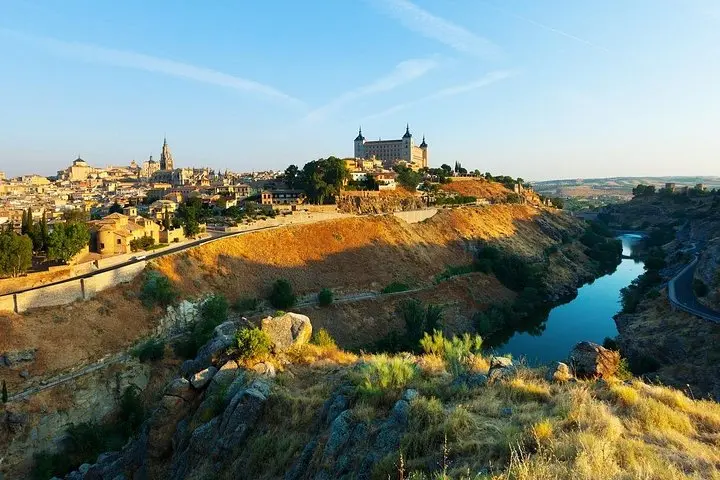
You arrive on a low ridge above the Tagus and the old city opens like a folded map: stone ramparts, a lattice of narrow streets and cathedral spires puncturing the sky. The first stop is the Mirador del Valle — a broad viewpoint where the city’s ochre roofs and the river’s bend read like a geological story of a fortress carved on a river meander.
Verified experiences and guided adventures in the surrounding area.
Operated by Yannat.com · Toledo, Castilla-La Mancha
You arrive on a low ridge above the Tagus and the old city opens like a folded map: stone ramparts, a lattice of narrow streets and cathedral spires puncturing the sky. The first stop is the Mirador del Valle — a broad viewpoint where the city’s ochre roofs and the river’s bend read like a geological story of a fortress carved on a river meander.
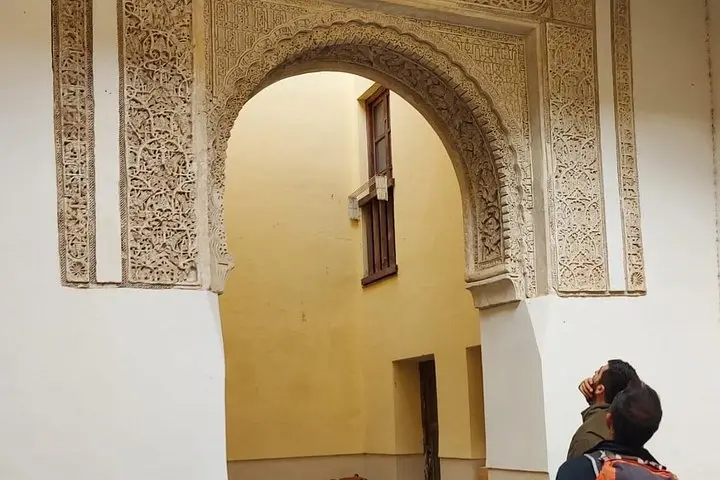
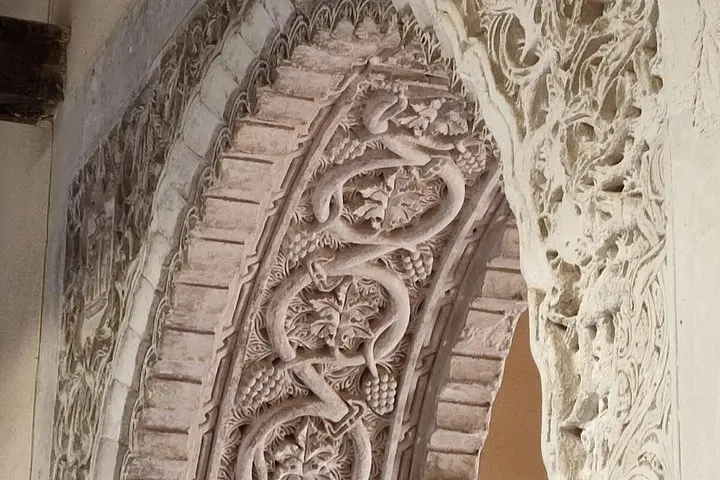
Toledo’s layers are visible: Roman foundations, Visigothic remnants, a medieval core shaped by Christian, Muslim and Jewish communities. Spanish Reconquest architecture coexists with Mudéjar tracery and the 13th-century Cathedral’s Gothic vaults; El Greco’s dramatic canvases, including The Burial of the Count of Orgaz, anchor the city’s artistic identity.
The city sits on a slippery mix of Tertiary sediments and river terraces; the Tagus has helped sculpt the defensive promontory that made Toledo a strategic capital for centuries. Local markets and small talleres still practice crafts like damascene metalwork — a tactile cultural echo of the past.
Practical guidance: expect 3–6 km of walking on uneven cobbles and short, steep climbs (roughly 50–150 m cumulative gain). Book major monuments in advance to skip lines; plan for 7–8 hours if you include museum stops and a panoramic viewpoint. Comfortable walking shoes, sun protection and a light layered jacket for breezy ridge-top conditions will keep the day focused on discovery rather than discomfort. Morning light is best for photos and quieter streets; late afternoon offers warmer tones and softer crowds.
Tickets for major monuments like the Cathedral and Alcázar are typically not included; your guide can advise on booking or reserve them for an additional fee.
Most private tours offer hotel or central meeting-point pickup in Madrid; confirm your pickup location when you book.
Toledo’s historic core has many cobbled streets and stairs; parts of the itinerary can be adjusted but full access is limited for wheeled mobility—discuss needs with your operator before booking.
Lunch is usually not included; guides can recommend or reserve local restaurants, and there are cafés and tapas bars near key sites.
Yannat.com operates guided outdoor trips and adventures with an emphasis on safety, stewardship, and memorable experiences.
You arrive on a low ridge above the Tagus and the old city opens like a folded map: stone ramparts, a lattice of narrow streets and cathedral spires puncturing the sky. The first stop is the Mirador del Valle — a broad viewpoint where the city’s ochre roofs and the river’s bend read like a geological story of a fortress carved on a river meander.
You arrive on a low ridge above the Tagus and the old city opens like a folded map: stone ramparts, a lattice of narrow streets and cathedral spires puncturing the sky. The first stop is the Mirador del Valle — a broad viewpoint where the city’s ochre roofs and the river’s bend read like a geological story of a fortress carved on a river meander.
Toledo’s layers are visible: Roman foundations, Visigothic remnants, a medieval core shaped by Christian, Muslim and Jewish communities. Spanish Reconquest architecture coexists with Mudéjar tracery and the 13th-century Cathedral’s Gothic vaults; El Greco’s dramatic canvases, including The Burial of the Count of Orgaz, anchor the city’s artistic identity.
The city sits on a slippery mix of Tertiary sediments and river terraces; the Tagus has helped sculpt the defensive promontory that made Toledo a strategic capital for centuries. Local markets and small talleres still practice crafts like damascene metalwork — a tactile cultural echo of the past.
Practical guidance: expect 3–6 km of walking on uneven cobbles and short, steep climbs (roughly 50–150 m cumulative gain). Book major monuments in advance to skip lines; plan for 7–8 hours if you include museum stops and a panoramic viewpoint. Comfortable walking shoes, sun protection and a light layered jacket for breezy ridge-top conditions will keep the day focused on discovery rather than discomfort. Morning light is best for photos and quieter streets; late afternoon offers warmer tones and softer crowds.