THE ADVENTURE COLLECTIVE® · Independent discovery and booking for outdoor travel

Spend a long day crossing the Bavarian border to the Salzburg Lake District: Hallstatt’s iconic lakeside town, a dramatic Skywalk, optional world‑old salt mines, and Sound of Music scenery in one private deluxe tour from Munich. Ideal for travelers who want a high-comfort route through classic alpine highlights.
Spend a long day crossing the Bavarian border to the Salzburg Lake District: Hallstatt’s iconic lakeside town, a dramatic Skywalk, optional world‑old salt mines, and Sound of Music scenery in one private deluxe tour from Munich. Ideal for travelers who want a high-comfort route through classic alpine highlights.
You step into a silver morning on the Autobahn and the van’s panoramic roof frames the Alps like a moving mural—peaks rise, valleys deepen, and the Salzburgerland slides into view. By mid-morning the road drops to the mirror-calm surface of Hallstätter See; colorful houses cling to the steep shore and the church spire points at the vertical rock face above.
Verified experiences and guided adventures in the surrounding area.
Operated by Sightseeing Bavaria Exclusive · Hallstatt, Upper Austria
You step into a silver morning on the Autobahn and the van’s panoramic roof frames the Alps like a moving mural—peaks rise, valleys deepen, and the Salzburgerland slides into view. By mid-morning the road drops to the mirror-calm surface of Hallstätter See; colorful houses cling to the steep shore and the church spire points at the vertical rock face above.
Hallstatt’s compact market square and narrow lanes are part of a UNESCO World Heritage site born of millennia of salt mining—the Hallstatt culture gave its name to early Iron Age Europe. Geology here is dramatic: limestone karst, steep alpine walls, and glacially carved lakes feed clear waters that reflect cliff faces and church steeples.
Cultural oddities—St. Michael’s Chapel and its painted skull ossuary—speak to local funerary traditions, while the funicular up to the Skywalk and the ancient salt mine reveal a working landscape turned visitor site. The route through the Salzkammergut also visits Wolfgangsee and Mondsee, places tied to classical music and 20th-century film history.
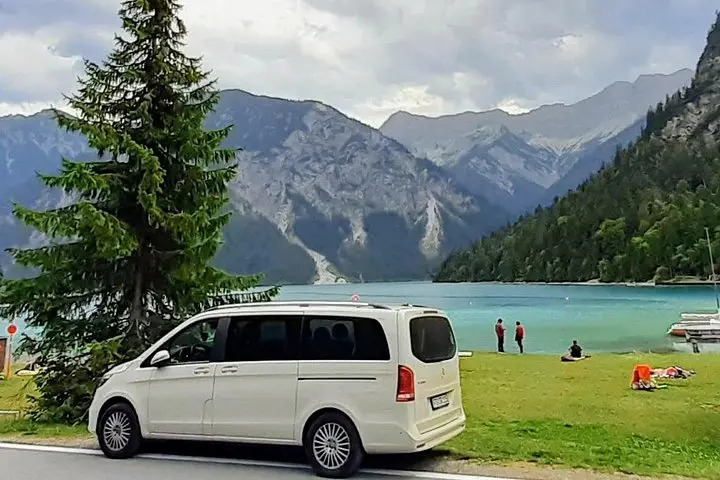
Practical side: expect a long day (10–11.5 hours) with short walks, cobbled streets, and a funicular ride; bring layered clothing for sudden alpine gusts, comfortable shoes for steep footpaths, and a passport for the Austria border check. If you opt for the salt mine or Skywalk, budget extra time and modest admission fees. Travel in a deluxe Mercedes minivan makes the distance from Munich comfortable, but the villages are best explored on foot—move slowly, hydrate, and plan photo stops in advance.
The tour runs approximately 10–11.5 hours; exact return depends on chosen options and traffic but typically you’ll be back in Munich in the evening.
Admissions are optional and not included in the base price; expect separate entrance fees for the funicular/Skywalk and the salt mine.
Yes—infant seats are available and the tour is rated physically easy, though the ossuary requires a short steep walk and the salt mine has age/height restrictions for some activities.
Yes, a valid identity document is required for crossing the German‑Austrian border and returning to Germany.
Sightseeing Bavaria Exclusive operates guided outdoor trips and adventures with an emphasis on safety, stewardship, and memorable experiences.
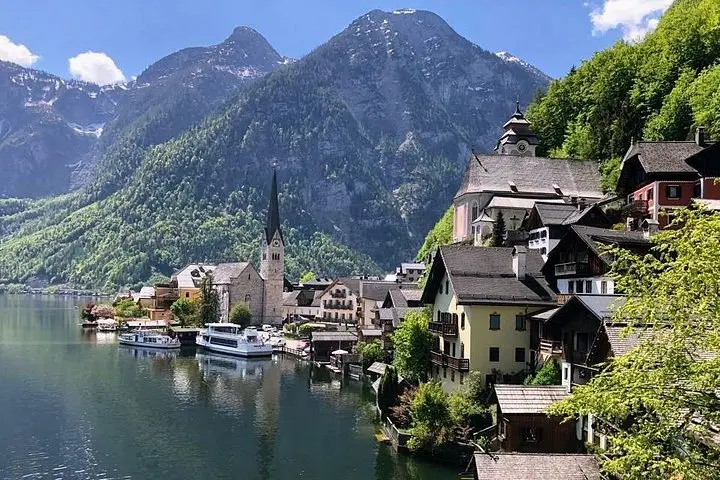
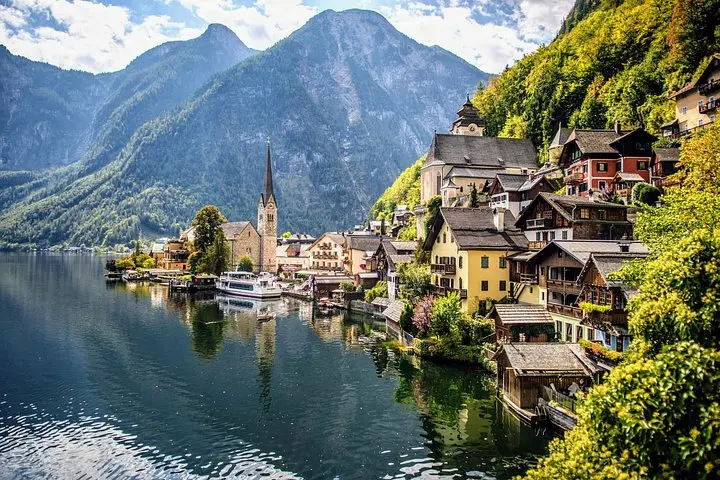
You step into a silver morning on the Autobahn and the van’s panoramic roof frames the Alps like a moving mural—peaks rise, valleys deepen, and the Salzburgerland slides into view. By mid-morning the road drops to the mirror-calm surface of Hallstätter See; colorful houses cling to the steep shore and the church spire points at the vertical rock face above.
You step into a silver morning on the Autobahn and the van’s panoramic roof frames the Alps like a moving mural—peaks rise, valleys deepen, and the Salzburgerland slides into view. By mid-morning the road drops to the mirror-calm surface of Hallstätter See; colorful houses cling to the steep shore and the church spire points at the vertical rock face above.
Hallstatt’s compact market square and narrow lanes are part of a UNESCO World Heritage site born of millennia of salt mining—the Hallstatt culture gave its name to early Iron Age Europe. Geology here is dramatic: limestone karst, steep alpine walls, and glacially carved lakes feed clear waters that reflect cliff faces and church steeples.
Cultural oddities—St. Michael’s Chapel and its painted skull ossuary—speak to local funerary traditions, while the funicular up to the Skywalk and the ancient salt mine reveal a working landscape turned visitor site. The route through the Salzkammergut also visits Wolfgangsee and Mondsee, places tied to classical music and 20th-century film history.
Practical side: expect a long day (10–11.5 hours) with short walks, cobbled streets, and a funicular ride; bring layered clothing for sudden alpine gusts, comfortable shoes for steep footpaths, and a passport for the Austria border check. If you opt for the salt mine or Skywalk, budget extra time and modest admission fees. Travel in a deluxe Mercedes minivan makes the distance from Munich comfortable, but the villages are best explored on foot—move slowly, hydrate, and plan photo stops in advance.