THE ADVENTURE COLLECTIVE® · Independent discovery and booking for outdoor travel

Walk Derry’s intact 17th‑century walls with a local guide and move through centuries of history in 90 minutes. See the Guildhall, city gates and river views while learning about the Siege of Derry and the Plantation of Ulster.
Walk Derry’s intact 17th‑century walls with a local guide and move through centuries of history in 90 minutes. See the Guildhall, city gates and river views while learning about the Siege of Derry and the Plantation of Ulster.
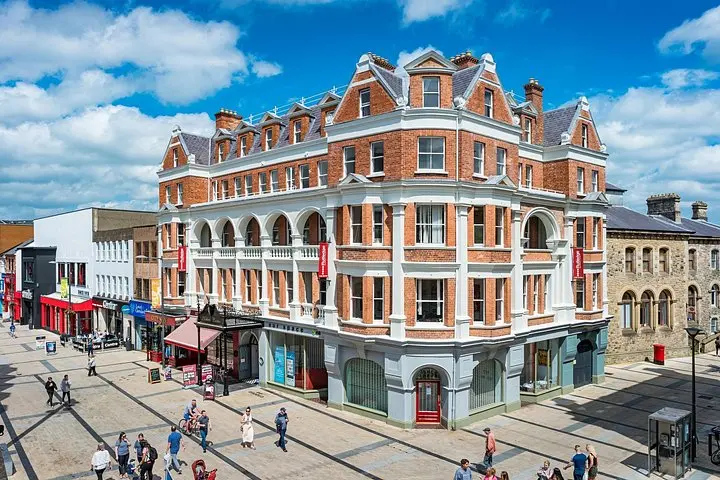
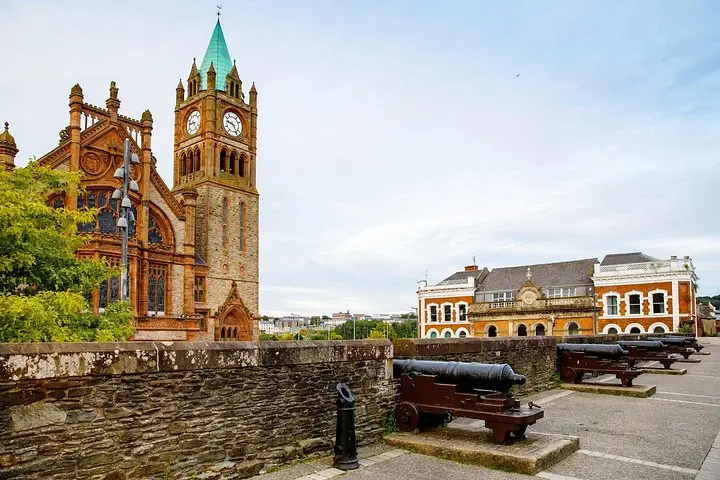
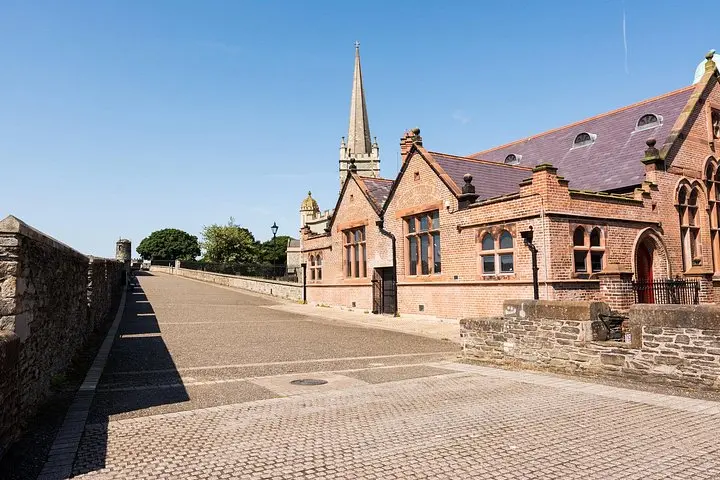
You step onto the cobbles beside the Guildhall as the River Foyle glints beyond the stone balustrade. The city walls rise, broad and walkable, their ramparts giving way to views across the river and into streets that still follow a 17th‑century plan. Along the way the guide slows at gateways—Shipquay, Ferryquay, Bishop and Butcher’s Gate—each one a chapter of siege, trade and civic life.
Verified experiences and guided adventures in the surrounding area.
Operated by Opatrip.com Ireland · Derry, County Londonderry
You step onto the cobbles beside the Guildhall as the River Foyle glints beyond the stone balustrade. The city walls rise, broad and walkable, their ramparts giving way to views across the river and into streets that still follow a 17th‑century plan. Along the way the guide slows at gateways—Shipquay, Ferryquay, Bishop and Butcher’s Gate—each one a chapter of siege, trade and civic life.
Derry (Londonderry) grew during the Plantation of Ulster and its intact city walls, completed in the early 1600s, survived the famous Siege of 1689. Those defensive stones sit on older ground: the River Foyle occupies a glacial inlet carved at the end of the last ice age, while the city’s fabric reflects centuries of shipbuilding, merchant trade and modern cultural revival. The Guildhall, with its neo‑Gothic facade, and St Columb’s Cathedral keep civic memory visible; the Peace Bridge and riverside neighborhoods show a city still rewriting its story.
Practical guidance: this private 90‑minute walking tour is paced for general fitness and follows paved ramparts and city streets—expect cobbles and a few steps. Bring a waterproof layer and solid footwear; in wet months the walls can be slick. Tours typically meet near the Guildhall; confirm the exact pickup point and accessibility needs when booking. Photography is welcome, but respect private property and local residents. Timing tours for morning or late afternoon reduces crowds and gives crisper light for views across the Foyle.
Tours commonly meet outside the Guildhall in the city center; exact pickup details are provided at booking.
Yes—this is an easy, family‑friendly walk, but there are cobbles and some steps; notify the operator of mobility concerns.
This walking tour focuses on exterior views and storytelling; museum entry is not included but guides can recommend nearby exhibits.
The operator may cancel for severe weather; otherwise tours run in light rain—dress appropriately and check cancellation terms.
Opatrip.com Ireland operates guided outdoor trips and adventures with an emphasis on safety, stewardship, and memorable experiences.

You step onto the cobbles beside the Guildhall as the River Foyle glints beyond the stone balustrade. The city walls rise, broad and walkable, their ramparts giving way to views across the river and into streets that still follow a 17th‑century plan. Along the way the guide slows at gateways—Shipquay, Ferryquay, Bishop and Butcher’s Gate—each one a chapter of siege, trade and civic life.
You step onto the cobbles beside the Guildhall as the River Foyle glints beyond the stone balustrade. The city walls rise, broad and walkable, their ramparts giving way to views across the river and into streets that still follow a 17th‑century plan. Along the way the guide slows at gateways—Shipquay, Ferryquay, Bishop and Butcher’s Gate—each one a chapter of siege, trade and civic life.
Derry (Londonderry) grew during the Plantation of Ulster and its intact city walls, completed in the early 1600s, survived the famous Siege of 1689. Those defensive stones sit on older ground: the River Foyle occupies a glacial inlet carved at the end of the last ice age, while the city’s fabric reflects centuries of shipbuilding, merchant trade and modern cultural revival. The Guildhall, with its neo‑Gothic facade, and St Columb’s Cathedral keep civic memory visible; the Peace Bridge and riverside neighborhoods show a city still rewriting its story.
Practical guidance: this private 90‑minute walking tour is paced for general fitness and follows paved ramparts and city streets—expect cobbles and a few steps. Bring a waterproof layer and solid footwear; in wet months the walls can be slick. Tours typically meet near the Guildhall; confirm the exact pickup point and accessibility needs when booking. Photography is welcome, but respect private property and local residents. Timing tours for morning or late afternoon reduces crowds and gives crisper light for views across the Foyle.