THE ADVENTURE COLLECTIVE® · Independent discovery and booking for outdoor travel

Explore the DMZ’s 3rd Tunnel, peer into North Korea from Dora Observatory, then hike up to Gamaksan’s 150 m suspension bridge on this private full-day tour. Expect history, security checks, short climbs, and broad ridgeline views.
Explore the DMZ’s 3rd Tunnel, peer into North Korea from Dora Observatory, then hike up to Gamaksan’s 150 m suspension bridge on this private full-day tour. Expect history, security checks, short climbs, and broad ridgeline views.
You step from an air-conditioned van into a brisk borderwind and the tone of the day shifts: rows of observation posts and the distant slope of low mountains frame a place where history feels present.
Verified experiences and guided adventures in the surrounding area.
Operated by Lucky Korea Travel · Paju, Gyeonggi-do
You step from an air-conditioned van into a brisk borderwind and the tone of the day shifts: rows of observation posts and the distant slope of low mountains frame a place where history feels present.
The itinerary threads recent history with natural ridgelines. Begin at Imjingak Pyeonghwa-Nuri Park (built 1972), where the Peace Bell and Bridge of Freedom mark civilian memory just south of the Military Demarcation Line. The tour moves to the 3rd Tunnel—discovered in 1978—a claustrophobic, military-cut gallery that runs roughly 1,635 meters and illustrates the urgency of the Korean War’s legacy. From Dora Observatory you can scan into North Korea with telescopes, a rare civilian vantage that frames political geography against everyday fields.
The afternoon shifts tone at Gamaksan: a short uphill walk (about 20–30 minutes depending on pace) leads to a 150-meter suspension bridge and a compact summit viewpoint. The ridge here is composed of weathered low-mountain rock and mixed forest; the bridge itself crosses a valley once contested in wartime and now offers wide, exhale views.
Practical guidance: this is a full-day, private tour (7–8 hours) with hotel pickup, lunch, and English guide. Expect security checks, ID registration at Imjingak, and some standing or stair negotiation in the tunnel and observatory. Wear sturdy shoes, bring layers for wind and shade, and carry water; photography rules vary near military sites. Timing a spring or fall visit gives the most comfortable conditions; summers are humid and winters can be sharp and windy.
This day combines concentrated historical interpretation with short, readable hikes and a striking lookout—ideal for travelers wanting context as well as a short outdoor climb.
Yes—photo ID/passport is required for registration at Imjingak and for entry to DMZ sites.
Yes—locations can change due to military operations or weather; the guide will adapt the route as needed.
The tunnel walk is confined with stairs and uneven footing; it’s not long but requires mobility and stable balance.
Photography is generally allowed at Dora Observatory; the tunnel and other military areas may have restrictions—follow the guide and posted rules.
Lucky Korea Travel operates guided outdoor trips and adventures with an emphasis on safety, stewardship, and memorable experiences.
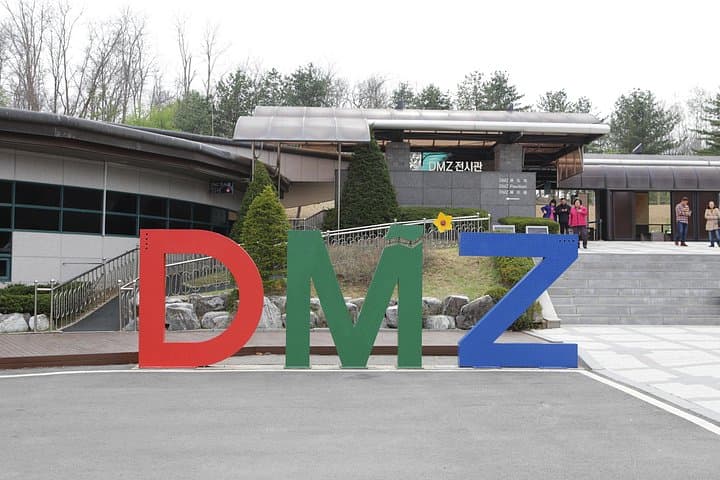
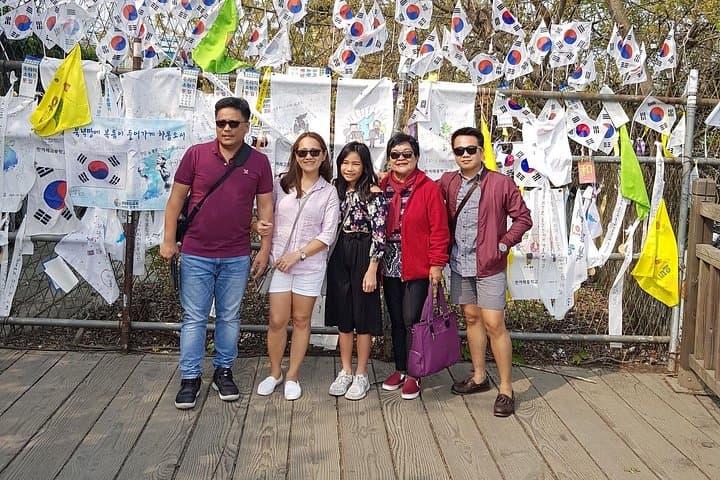
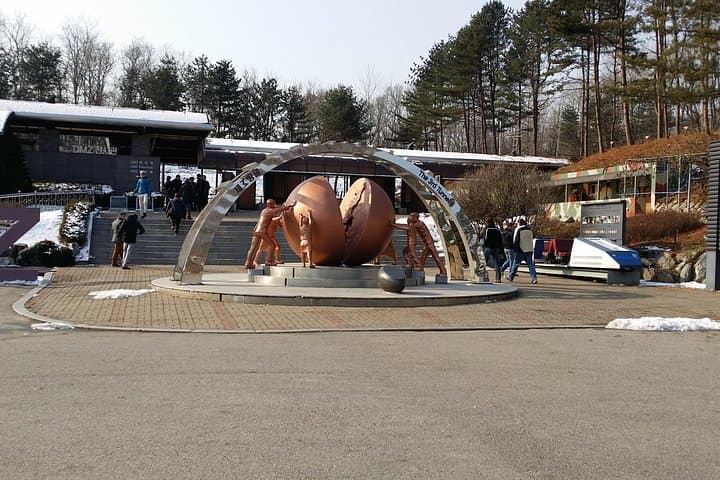
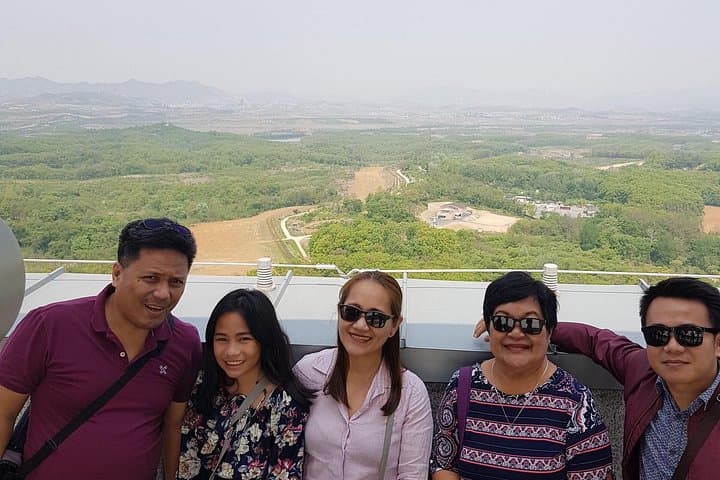
You step from an air-conditioned van into a brisk borderwind and the tone of the day shifts: rows of observation posts and the distant slope of low mountains frame a place where history feels present.
You step from an air-conditioned van into a brisk borderwind and the tone of the day shifts: rows of observation posts and the distant slope of low mountains frame a place where history feels present.
The itinerary threads recent history with natural ridgelines. Begin at Imjingak Pyeonghwa-Nuri Park (built 1972), where the Peace Bell and Bridge of Freedom mark civilian memory just south of the Military Demarcation Line. The tour moves to the 3rd Tunnel—discovered in 1978—a claustrophobic, military-cut gallery that runs roughly 1,635 meters and illustrates the urgency of the Korean War’s legacy. From Dora Observatory you can scan into North Korea with telescopes, a rare civilian vantage that frames political geography against everyday fields.
The afternoon shifts tone at Gamaksan: a short uphill walk (about 20–30 minutes depending on pace) leads to a 150-meter suspension bridge and a compact summit viewpoint. The ridge here is composed of weathered low-mountain rock and mixed forest; the bridge itself crosses a valley once contested in wartime and now offers wide, exhale views.
Practical guidance: this is a full-day, private tour (7–8 hours) with hotel pickup, lunch, and English guide. Expect security checks, ID registration at Imjingak, and some standing or stair negotiation in the tunnel and observatory. Wear sturdy shoes, bring layers for wind and shade, and carry water; photography rules vary near military sites. Timing a spring or fall visit gives the most comfortable conditions; summers are humid and winters can be sharp and windy.
This day combines concentrated historical interpretation with short, readable hikes and a striking lookout—ideal for travelers wanting context as well as a short outdoor climb.