THE ADVENTURE COLLECTIVE® · Independent discovery and booking for outdoor travel
Spend a private, full day outside Seoul exploring the Third Infiltration Tunnel, Dora Observatory, and an optional suspension bridge hike on Gamaksan. This seven-hour tour combines hands-on history with short hikes and commanding border views.
Spend a private, full day outside Seoul exploring the Third Infiltration Tunnel, Dora Observatory, and an optional suspension bridge hike on Gamaksan. This seven-hour tour combines hands-on history with short hikes and commanding border views.
You step out of Seoul's rush and onto a quieter road where pines edge a landscape that still bears the scars — and the stories — of a divided peninsula.
Verified experiences and guided adventures in the surrounding area.
Operated by Honey Trail · Paju, Gyeonggi-do
You step out of Seoul's rush and onto a quieter road where pines edge a landscape that still bears the scars — and the stories — of a divided peninsula.
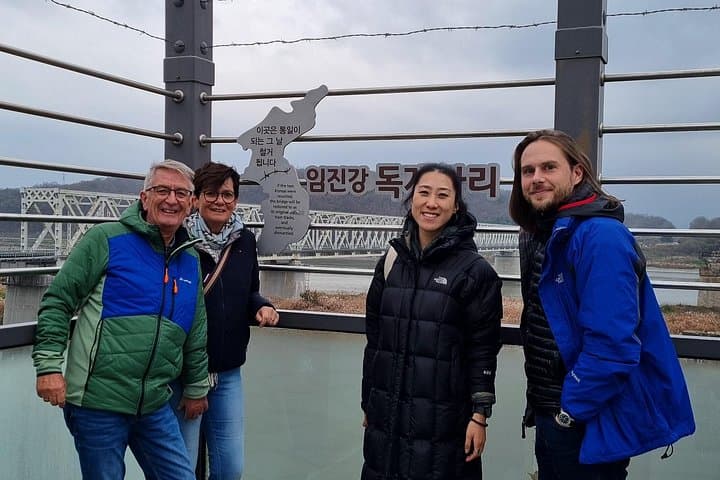
The day moves deliberately: first Imjingak Park's Bridge of Freedom and a rusting steam locomotive, public markers of displacement and hope, then down into the Third Infiltration Tunnel discovered in 1978 — a roughly excavated artery large enough, officials say, to move tens of thousands of soldiers an hour. You walk its chilled, sometimes slippery floor, then watch a short film that frames the political geography and surprising ecology of the DMZ.
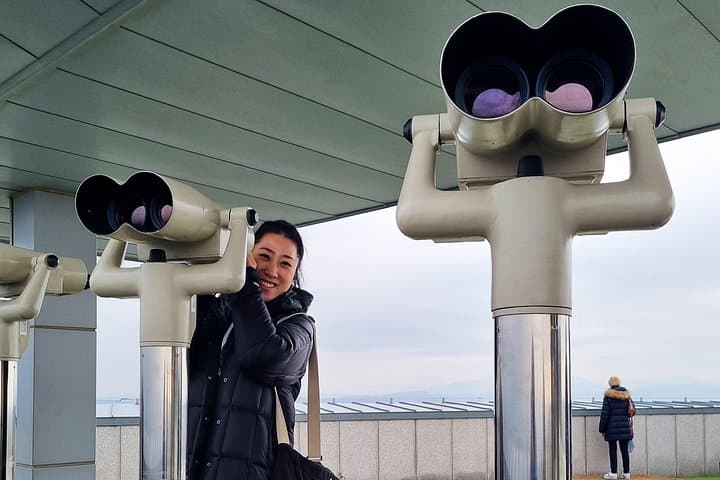
At Dora Observatory you climb to rooftop optics installed in 1987 and peer across no-man’s-land: Gaeseong’s industrial complex and distant ridgelines make political boundaries visible.
The tour can end with a brisk 15-minute climb to a 150‑meter suspension bridge over Gamaksan (optional). From that span the mountain and lake below press at the edges of view, the wind nudging you along the boards.
Practical side: this private, seven-hour outing includes hotel pickup in Seoul, an English-speaking guide, and air-conditioned transport. Bring your passport (ID check required), slip-resistant shoes for the tunnel, and respect signage — some areas restrict photography and all stops follow military rules. Weather and security conditions can change itineraries without notice; flexibility is part of the experience.
The trip is equal parts field lesson and landscape hike — a quiet, tangible way to read Korea’s modern history while hiking short trails and scanning a human-altered wilderness.
Yes—every visitor must present a valid passport for the DMZ ID check before entering controlled areas.
No—the Gamaksan suspension bridge is optional; you can skip it if you have mobility issues or a fear of heights.
Yes—some DMZ and military sites restrict photography; follow your guide’s instructions to avoid fines or confiscation.
Tours are often refundable if canceled by authorities; the operator will notify you and follow the stated refund/cancellation policy.
Honey Trail operates guided outdoor trips and adventures with an emphasis on safety, stewardship, and memorable experiences.

You step out of Seoul's rush and onto a quieter road where pines edge a landscape that still bears the scars — and the stories — of a divided peninsula.
You step out of Seoul's rush and onto a quieter road where pines edge a landscape that still bears the scars — and the stories — of a divided peninsula.
The day moves deliberately: first Imjingak Park's Bridge of Freedom and a rusting steam locomotive, public markers of displacement and hope, then down into the Third Infiltration Tunnel discovered in 1978 — a roughly excavated artery large enough, officials say, to move tens of thousands of soldiers an hour. You walk its chilled, sometimes slippery floor, then watch a short film that frames the political geography and surprising ecology of the DMZ.
At Dora Observatory you climb to rooftop optics installed in 1987 and peer across no-man’s-land: Gaeseong’s industrial complex and distant ridgelines make political boundaries visible.
The tour can end with a brisk 15-minute climb to a 150‑meter suspension bridge over Gamaksan (optional). From that span the mountain and lake below press at the edges of view, the wind nudging you along the boards.
Practical side: this private, seven-hour outing includes hotel pickup in Seoul, an English-speaking guide, and air-conditioned transport. Bring your passport (ID check required), slip-resistant shoes for the tunnel, and respect signage — some areas restrict photography and all stops follow military rules. Weather and security conditions can change itineraries without notice; flexibility is part of the experience.
The trip is equal parts field lesson and landscape hike — a quiet, tangible way to read Korea’s modern history while hiking short trails and scanning a human-altered wilderness.
