THE ADVENTURE COLLECTIVE® · Independent discovery and booking for outdoor travel

Explore the Korean Peninsula’s most controlled landscape on a private DMZ day tour from Seoul. Visit the 3rd Tunnel, Dora Observatory, Dorasan Station and Unification Village with expert narration and hotel pickup.
Explore the Korean Peninsula’s most controlled landscape on a private DMZ day tour from Seoul. Visit the 3rd Tunnel, Dora Observatory, Dorasan Station and Unification Village with expert narration and hotel pickup.
You step out of the air‑conditioned van and the border landscape narrows: scrubby fields, barbed wire, and observation posts that watch a silenced neighbor. The air here has a low tension — history pressed flat like a page — and your guide begins to peel back events that shaped modern Korea.
Verified experiences and guided adventures in the surrounding area.
Operated by Here Korea Travel · Paju, Gyeonggi-do
You step out of the air‑conditioned van and the border landscape narrows: scrubby fields, barbed wire, and observation posts that watch a silenced neighbor. The air here has a low tension — history pressed flat like a page — and your guide begins to peel back events that shaped modern Korea.
The Demilitarized Zone was created with the 1953 Armistice as a 2‑kilometer buffer on either side of the Military Demarcation Line. Geology here is low rolling hills and rice paddies cut through with drainage channels; those farmers’ fields hide Cold War scars like tunnels and watchtowers. Dorasan and Dora Observatory let you peer across no‑man’s land to Propaganda Village and the distant outline of Gaeseong. The 3rd Tunnel, discovered in 1978, tunnels through granite and clay — a concrete reminder of the peninsula’s divide.
Culture and memory are on display: Unification Village’s market stalls sell kimchi and souvenirs, while Dorasan Station holds the quiet hope of reconnecting rail links. Your guide threads narration with archival photos, making the past tangible without spectacle.
Practicalities: expect a 6–8 hour private day trip from Seoul with hotel pickup. Bring your passport/ID and comfortable shoes for stairs and short walks; some sites have strict photo rules and limited time in the Civilian Control Zone. Weather shifts fast on exposed observation points — pack layers. Tours follow military checkpoints and curfews, so listen to your guide and stay inside designated areas. This is less a hike and more an encounter with a place where geopolitics and nature unexpectedly coexist.
Yes — most DMZ sites require government ID; bring your passport or valid national ID and keep it on you during the tour.
Photography is generally permitted at observatories but restricted in some military areas and inside certain tunnel sections; follow your guide’s directions.
The 3rd Tunnel is open to visitors with stair access and lighting; confined spaces and uneven steps mean it’s not recommended for those with serious mobility issues.
Yes — the tour is family‑friendly. Infants must sit on laps; ask about any age restrictions for specific sites when booking.
Here Korea Travel operates guided outdoor trips and adventures with an emphasis on safety, stewardship, and memorable experiences.
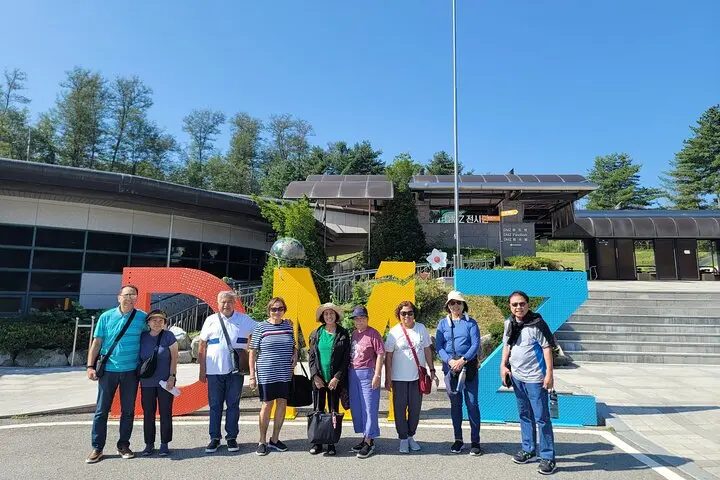
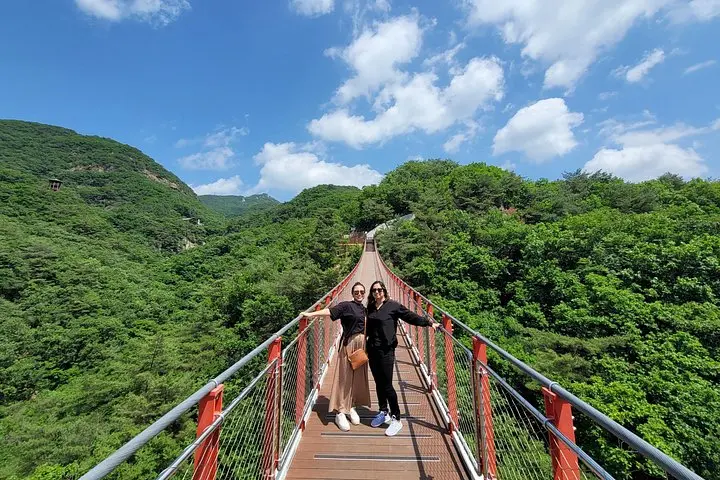
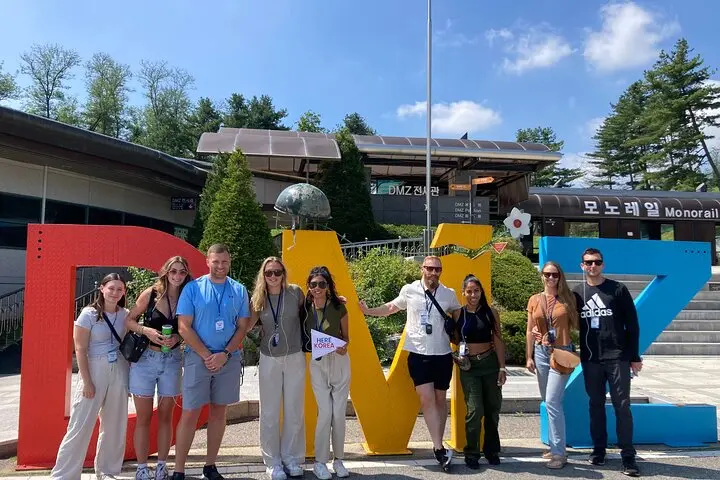

You step out of the air‑conditioned van and the border landscape narrows: scrubby fields, barbed wire, and observation posts that watch a silenced neighbor. The air here has a low tension — history pressed flat like a page — and your guide begins to peel back events that shaped modern Korea.
You step out of the air‑conditioned van and the border landscape narrows: scrubby fields, barbed wire, and observation posts that watch a silenced neighbor. The air here has a low tension — history pressed flat like a page — and your guide begins to peel back events that shaped modern Korea.
The Demilitarized Zone was created with the 1953 Armistice as a 2‑kilometer buffer on either side of the Military Demarcation Line. Geology here is low rolling hills and rice paddies cut through with drainage channels; those farmers’ fields hide Cold War scars like tunnels and watchtowers. Dorasan and Dora Observatory let you peer across no‑man’s land to Propaganda Village and the distant outline of Gaeseong. The 3rd Tunnel, discovered in 1978, tunnels through granite and clay — a concrete reminder of the peninsula’s divide.
Culture and memory are on display: Unification Village’s market stalls sell kimchi and souvenirs, while Dorasan Station holds the quiet hope of reconnecting rail links. Your guide threads narration with archival photos, making the past tangible without spectacle.
Practicalities: expect a 6–8 hour private day trip from Seoul with hotel pickup. Bring your passport/ID and comfortable shoes for stairs and short walks; some sites have strict photo rules and limited time in the Civilian Control Zone. Weather shifts fast on exposed observation points — pack layers. Tours follow military checkpoints and curfews, so listen to your guide and stay inside designated areas. This is less a hike and more an encounter with a place where geopolitics and nature unexpectedly coexist.