THE ADVENTURE COLLECTIVE® · Independent discovery and booking for outdoor travel

Take a private half‑day from Seoul to the Korean Demilitarized Zone to explore Imjingak Park, the 3rd Infiltration Tunnel, Dora Observatory and Dorasan Station. This guided visit combines concise history, close‑up views into North Korea and controlled access to key sites.
Take a private half‑day from Seoul to the Korean Demilitarized Zone to explore Imjingak Park, the 3rd Infiltration Tunnel, Dora Observatory and Dorasan Station. This guided visit combines concise history, close‑up views into North Korea and controlled access to key sites.
You step off an air‑conditioned coach into cold, metallic air that smells faintly of river and concrete. Imjingak Park opens in front of you—rusting artillery and a line of memorials keep watch over the Imjin River while guides set out binoculars at Dora Observatory. The DMZ feels like a living edge: military infrastructure and quiet fields pressed up against one another, and the possibility of looking into North Korea through glass lenses.
Verified experiences and guided adventures in the surrounding area.
Operated by SEOUL CITY TOUR CO. LTD. · Paju, Gyeonggi-do
You step off an air‑conditioned coach into cold, metallic air that smells faintly of river and concrete. Imjingak Park opens in front of you—rusting artillery and a line of memorials keep watch over the Imjin River while guides set out binoculars at Dora Observatory. The DMZ feels like a living edge: military infrastructure and quiet fields pressed up against one another, and the possibility of looking into North Korea through glass lenses.
This strip of land was carved out after the 1953 armistice; the Military Demarcation Line and the Panmunjom reality shaped decades of politics and local life. Geologically mundane—low rivers, flat farmland—the zone’s significance is entirely human: tunnels bored under the border, Dorasan Station as a symbolic gateway, and Freedom Bridge where POWs returned. Small farming communities nearby keep traditional food crafts alive, and museum exhibits at the DMZ Hall catalogue wartime artifacts and the South’s defensive work.
Expect a mix of short walks, museum stops, and a guided visit into the 3rd Infiltration Tunnel (narrow and partly steep). Guides will point out landmarks and control when photos are permitted. Bring a camera but listen to military instructions; passport required on the day. Morning slots are cooler and clearer for viewing into the North; midweek visits are often less crowded.
Practical: wear sturdy walking shoes, layers for wind, and pack water and ID. The tour is suitable for most travelers but involves security checks and some confined walking. You’ll return to Seoul the same day with a layered understanding of Korea’s divided landscape.
Yes. A current, valid passport must be presented on the day of the tour for security checks.
Yes. Dora Observatory provides binocular views toward Kijongdong and border installations, weather and military conditions permitting.
The tunnel has steep, narrow stairways and low ceilings in sections—moderate mobility and no claustrophobia are recommended.
No. The guide and military personnel will indicate where photography is permitted; follow instructions closely to avoid violations.
SEOUL CITY TOUR CO. LTD. operates guided outdoor trips and adventures with an emphasis on safety, stewardship, and memorable experiences.
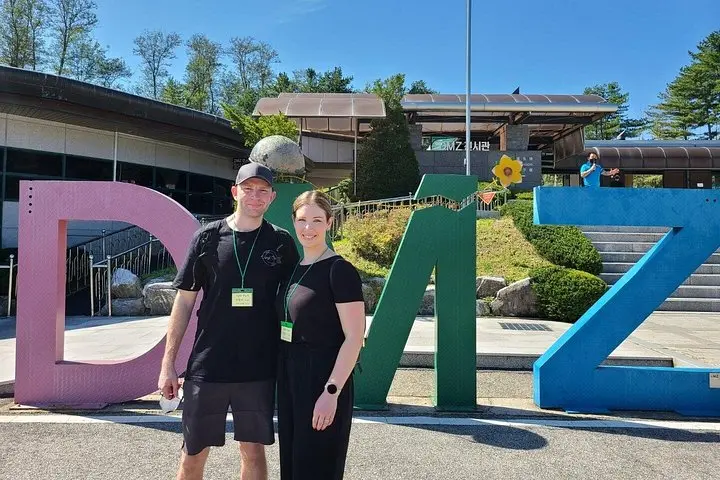
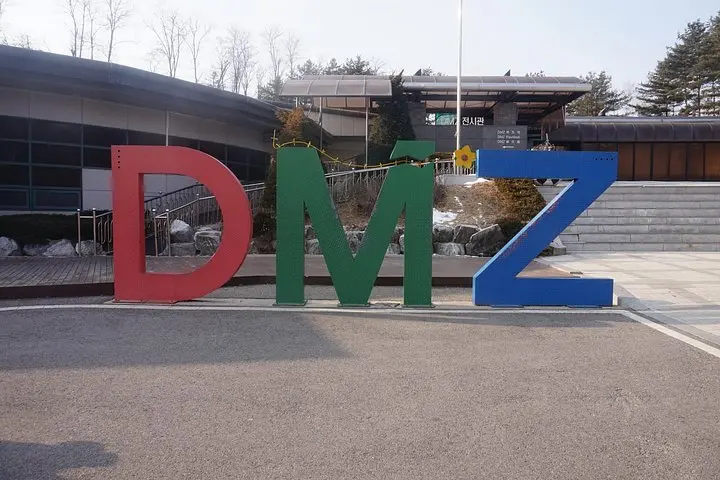
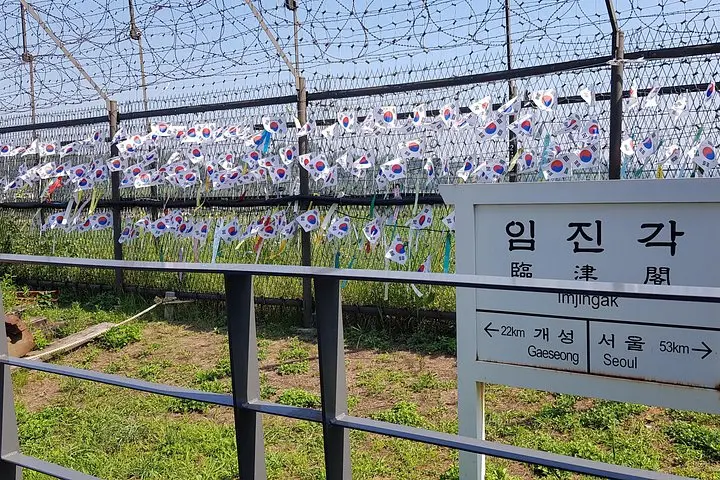
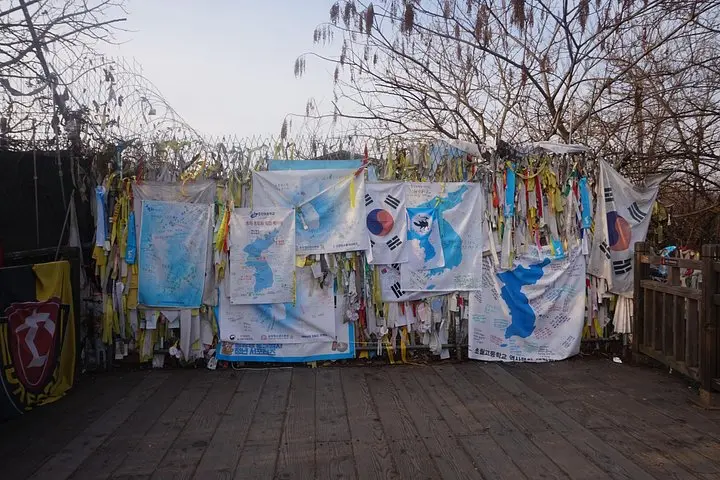
You step off an air‑conditioned coach into cold, metallic air that smells faintly of river and concrete. Imjingak Park opens in front of you—rusting artillery and a line of memorials keep watch over the Imjin River while guides set out binoculars at Dora Observatory. The DMZ feels like a living edge: military infrastructure and quiet fields pressed up against one another, and the possibility of looking into North Korea through glass lenses.
You step off an air‑conditioned coach into cold, metallic air that smells faintly of river and concrete. Imjingak Park opens in front of you—rusting artillery and a line of memorials keep watch over the Imjin River while guides set out binoculars at Dora Observatory. The DMZ feels like a living edge: military infrastructure and quiet fields pressed up against one another, and the possibility of looking into North Korea through glass lenses.
This strip of land was carved out after the 1953 armistice; the Military Demarcation Line and the Panmunjom reality shaped decades of politics and local life. Geologically mundane—low rivers, flat farmland—the zone’s significance is entirely human: tunnels bored under the border, Dorasan Station as a symbolic gateway, and Freedom Bridge where POWs returned. Small farming communities nearby keep traditional food crafts alive, and museum exhibits at the DMZ Hall catalogue wartime artifacts and the South’s defensive work.
Expect a mix of short walks, museum stops, and a guided visit into the 3rd Infiltration Tunnel (narrow and partly steep). Guides will point out landmarks and control when photos are permitted. Bring a camera but listen to military instructions; passport required on the day. Morning slots are cooler and clearer for viewing into the North; midweek visits are often less crowded.
Practical: wear sturdy walking shoes, layers for wind, and pack water and ID. The tour is suitable for most travelers but involves security checks and some confined walking. You’ll return to Seoul the same day with a layered understanding of Korea’s divided landscape.