THE ADVENTURE COLLECTIVE® · Independent discovery and booking for outdoor travel

Discover the tense frontier between North and South Korea on a private half-day tour from Seoul. Visit Imjingak, peer into North Korea from Dorasan Observatory, and walk into the Third Tunnel discovered in the 1970s.
Discover the tense frontier between North and South Korea on a private half-day tour from Seoul. Visit Imjingak, peer into North Korea from Dorasan Observatory, and walk into the Third Tunnel discovered in the 1970s.
You step off the shuttle at Imjingak and feel the air tighten — fences, guard posts and a watchful slope of hills frame a border that refuses to be background. The private DMZ tour from Seoul moves with quiet efficiency: a short walk across Imjingak Peace Park, a pass by the Freedom Bridge, then a bus ride deeper toward Dorasan Observatory where binoculars pick out North Korea’s distant buildings and guard posts.
Verified experiences and guided adventures in the surrounding area.
Operated by Joy Tour Korea · Paju, Gyeonggi-do
You step off the shuttle at Imjingak and feel the air tighten — fences, guard posts and a watchful slope of hills frame a border that refuses to be background. The private DMZ tour from Seoul moves with quiet efficiency: a short walk across Imjingak Peace Park, a pass by the Freedom Bridge, then a bus ride deeper toward Dorasan Observatory where binoculars pick out North Korea’s distant buildings and guard posts.
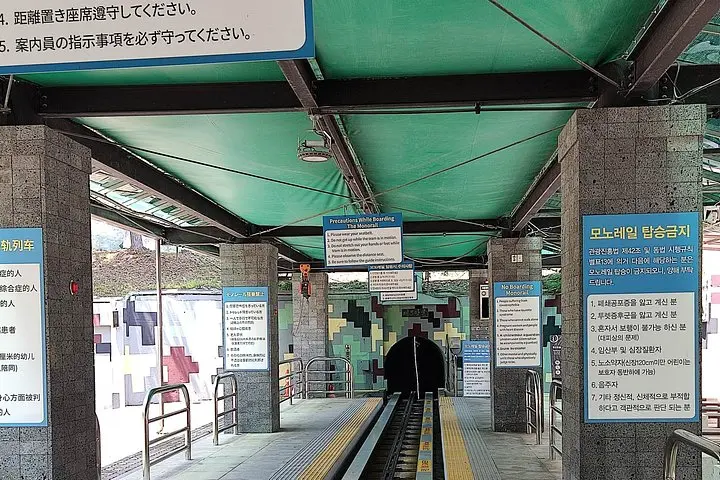
The route threads recent history and Cold War engineering. The tour stops at the Third Infiltration Tunnel, discovered in the late 1970s, where visitors descend concrete steps roughly 70 meters below the ridge to inspect a tunnel dug for military infiltration. Dorasan Station and the Unification Village are modern markers of an older division — rail lines and propaganda façades that tell a layered story of conflict, recovery, and ongoing tension.
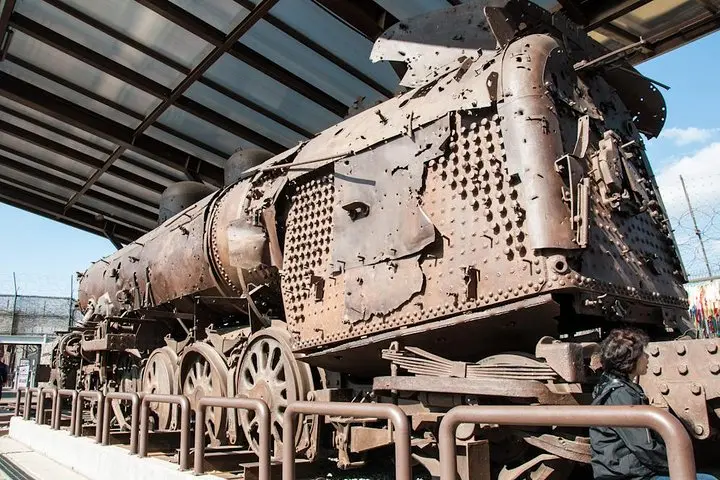
Culturally the tour is matter-of-fact: guides explain postwar reconstruction, split families, and the symbolic weight of objects like scarred locomotives and the Freedom Bridge. Geology here is simple — low rolling hills and reclaimed rice plains — but the human landscape is complex.
Practical guidance: the half-day private option (about 6–7 hours) includes hotel pickup, admission, and a guide; bring your passport and provide nationality details in advance. Expect security screenings, timed entry windows, and photography restrictions in controlled areas. Dress in layers, wear comfortable shoes for stair descent, and keep conversations respectful — the DMZ is both an educational site and a sensitive, regulated boundary.
Yes — a current valid passport and nationality information are required in advance for DMZ admission.
Some itineraries include a short stop for lunch at Imjingak or a nearby restaurant; confirm with the operator when booking.
Not always — access to the JSA (Panmunjom) is restricted and usually requires a specific JSA tour; this private DMZ tour focuses on Imjingak, Dorasan Observatory, and the Third Tunnel.
Travelers should have moderate fitness; the tour is not recommended for those with serious back, heart issues, or pregnant travelers due to confined spaces and stairs.
Joy Tour Korea operates guided outdoor trips and adventures with an emphasis on safety, stewardship, and memorable experiences.
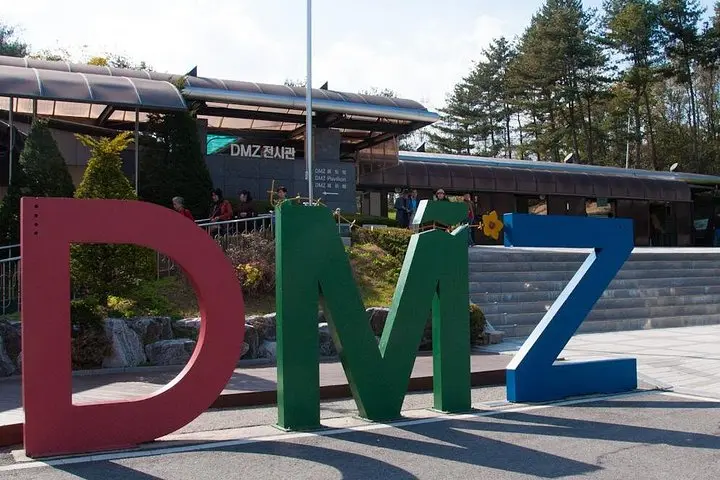
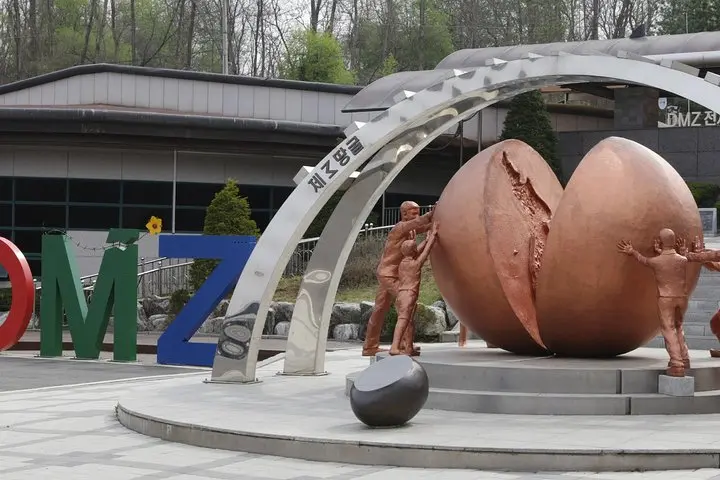
You step off the shuttle at Imjingak and feel the air tighten — fences, guard posts and a watchful slope of hills frame a border that refuses to be background. The private DMZ tour from Seoul moves with quiet efficiency: a short walk across Imjingak Peace Park, a pass by the Freedom Bridge, then a bus ride deeper toward Dorasan Observatory where binoculars pick out North Korea’s distant buildings and guard posts.
You step off the shuttle at Imjingak and feel the air tighten — fences, guard posts and a watchful slope of hills frame a border that refuses to be background. The private DMZ tour from Seoul moves with quiet efficiency: a short walk across Imjingak Peace Park, a pass by the Freedom Bridge, then a bus ride deeper toward Dorasan Observatory where binoculars pick out North Korea’s distant buildings and guard posts.
The route threads recent history and Cold War engineering. The tour stops at the Third Infiltration Tunnel, discovered in the late 1970s, where visitors descend concrete steps roughly 70 meters below the ridge to inspect a tunnel dug for military infiltration. Dorasan Station and the Unification Village are modern markers of an older division — rail lines and propaganda façades that tell a layered story of conflict, recovery, and ongoing tension.
Culturally the tour is matter-of-fact: guides explain postwar reconstruction, split families, and the symbolic weight of objects like scarred locomotives and the Freedom Bridge. Geology here is simple — low rolling hills and reclaimed rice plains — but the human landscape is complex.
Practical guidance: the half-day private option (about 6–7 hours) includes hotel pickup, admission, and a guide; bring your passport and provide nationality details in advance. Expect security screenings, timed entry windows, and photography restrictions in controlled areas. Dress in layers, wear comfortable shoes for stair descent, and keep conversations respectful — the DMZ is both an educational site and a sensitive, regulated boundary.